




Smart Scale Guide: Weight Trends and Body-Fat Limits
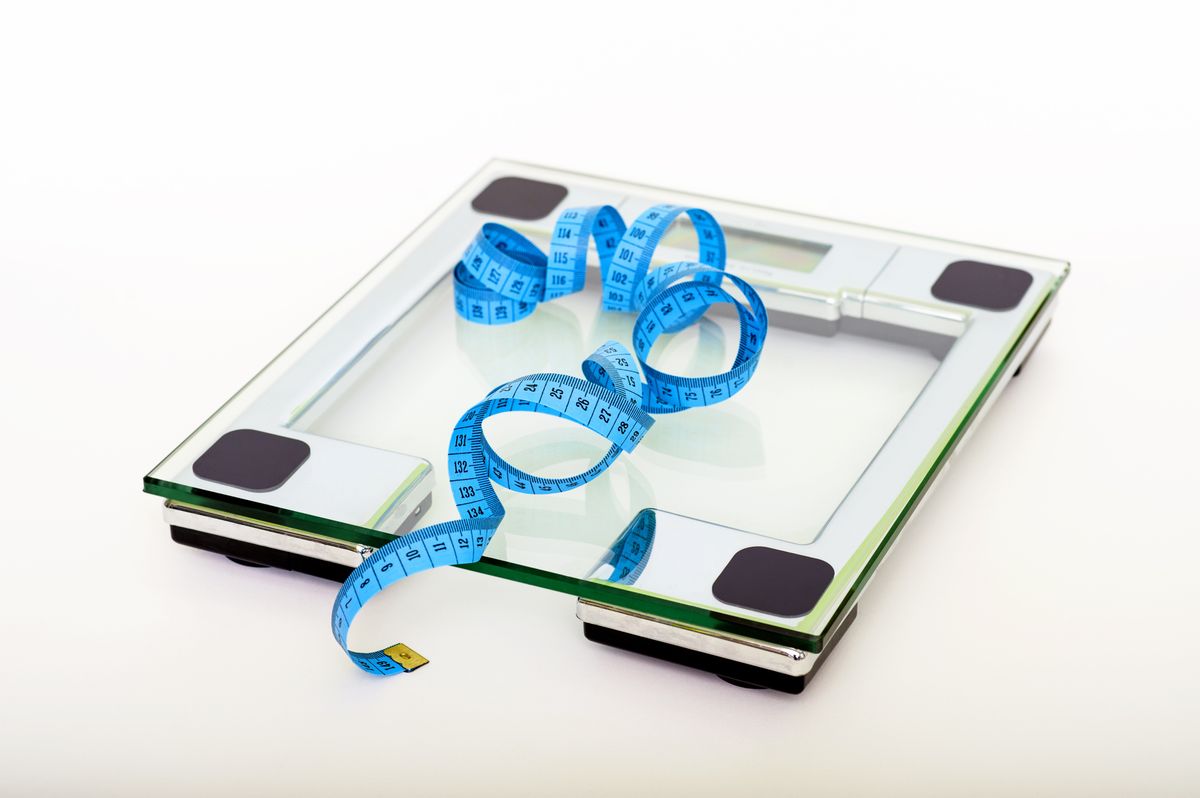
Use a smart scale primarily for consistent body-weight measurements. Its body-fat and muscle readings are estimates, not direct measurements, and may be inaccurate even when the display looks precise.
A smart scale can be useful for tracking body weight and estimating body composition, but it should be treated as a tracking tool rather than a medical device or a perfect measurement of body fat. The most useful data comes from consistent measurements over time.
A weekly average is more useful than one reading
| Day | Illustrative body weight | Interpretation |
|---|---|---|
| Monday | 80.0 kg | One observation |
| Tuesday | 80.4 kg | A rise does not prove fat gain |
| Wednesday | 79.8 kg | A fall does not prove fat loss |
| Thursday | 80.2 kg | Continue the same measurement routine |
| Friday | 80.1 kg | Five-reading mean: 80.1 kg |
The five readings total 400.5 kg; divide by five to get 80.1 kg. Compare this with another week’s average taken under similar conditions. If one week contains only a single reading after a large meal, it is a weaker comparison. Daily weighing is optional; choose a frequency that provides useful information without increasing distress.
Make the measurement repeatable
Use a hard, level surface and follow the manufacturer’s instructions. For weight trends, a common routine is after using the toilet and before breakfast, wearing similar clothing. Food, fluid, salt, carbohydrate intake, menstrual-cycle changes and recent exercise can all influence short-term readings.
Bioimpedance adds another layer of uncertainty because the device estimates body composition from electrical measurements and an equation. Hydration and the population used to develop the equation can affect the result. A displayed change from 20.1% to 19.8% does not establish that you lost fat, nor does an increase in estimated muscle prove new muscle tissue.
Use a small set of complementary measures
Combine the weight trend with training performance and, if useful to you, a consistently measured waist circumference. Progress photos are optional and should use similar lighting and posture. None of these alone gives a perfect body-composition assessment.
Before using bioimpedance with an implanted electronic medical device or during pregnancy, check the specific manufacturer’s restrictions and appropriate clinical advice. Our scale is a retail product, not a medical diagnostic device. If tracking becomes compulsive or upsetting, stop using the metrics and seek support rather than adding more measurements.
Why Body Weight Matters
Body weight is one useful measure of whether a calorie surplus or deficit is producing the expected trend. It should not be viewed in isolation because water, food volume and glycogen can change your weight from day to day.
Body Composition Estimates
Smart scales commonly estimate body composition using bioelectrical impedance. Hydration and other factors can affect the reading, so a single percentage should not be treated as a precise measurement of body fat.
How to Measure Consistently
Weigh yourself at a similar time and under similar conditions. Morning measurements after using the bathroom are practical. Compare weekly averages rather than individual readings.
Why Readings Change
Hydration, carbohydrate intake, sodium, exercise and food can all affect body composition estimates and scale weight. A higher reading after a salty meal does not automatically mean fat gain.
Using a Scale During Muscle Gain
If gaining muscle, monitor average weight and gym performance. A gradual increase can indicate that your calorie intake is supporting growth, while very rapid gain may suggest the surplus is larger than necessary.
Using a Scale During Fat Loss
During a cut, use weekly weight trends alongside waist measurements and training performance. If weight is falling steadily and strength is reasonably stable, the plan may be working even when individual readings fluctuate.
Common Mistakes
- Reacting to one day’s reading.
- Treating estimated body-fat percentage as exact.
- Weighing under different conditions every day.
- Changing calories after a single fluctuation.
- Ignoring gym performance and measurements.
The Gym Pro Smart Scale
If you want a convenient way to monitor your progress, The Gym Pro’s Smart Body Composition Scale combines a scale with a handheld sensor and fitness tracking features. Use it as one part of a wider progress system rather than relying on one number.
Use Weekly Averages
Daily weight can move significantly because of water and food. Seven measurements provide more information than one. Calculate or mentally compare your weekly average and look for the direction over several weeks.
Add Waist Measurements
A tape measurement can provide useful context. During fat loss, a decreasing waist alongside a falling average weight is encouraging. During muscle gain, stable waist measurements with improving gym performance may suggest that weight gain is relatively controlled.
Progress Photos
Photos taken under consistent lighting, posture and distance can help you see changes that the scale cannot. They are particularly useful during long muscle-building phases when changes happen slowly.
Gym Performance Matters
Strength and repetitions provide another useful data point. If your lifts are improving and body weight is gradually changing in the intended direction, you have more evidence than a body-fat estimate alone can provide.
Use the Data Sensibly
Fitness tracking should support your decisions, not create anxiety about every fluctuation. If the numbers are confusing, simplify the process. Track average body weight, a waist measurement and your training performance, then adjust only when the longer-term trend requires it.
Practical Guide
Weigh consistently, look at averages, track your waist and gym performance, and treat body-composition estimates as trends rather than exact measurements.
Pair your tracking with a structured training programme such as Olympian Sculpt so you have a clear plan for training and nutrition.

Related guides
- Calories to Build Muscle: Estimate, Track and Adjust
- Lose Fat While Preserving Muscle: Training and Diet Guide
- Build a Lean Physique: Training, Food and Realistic Goals
This article is general fitness education and does not provide medical diagnosis or individual health advice.
SHOP OUR TOP GYM PRODUCTS
No Pain No Gain Weightlifting Belt – Heavy-Duty Support
£32.99Original price was: £32.99.£26.99Current price is: £26.99.Smart Body Composition Scale – Bluetooth LCD Fitness Tracker
£38.99Original price was: £38.99.£29.99Current price is: £29.99.Nasser El Sonbaty Shirt – Uncrowned Mr Olympia T-Shirt
Powerhouse Gym Oversized T-Shirt – LYFT Pump Cover
Mr Olympia Amateur Korea T-Shirt – Oversized Cotton Tee
Creatine Meme T-Shirt – Funny Gym Shirt for Men
Berserk Lever Belt – Anime Powerlifting Gym Belt
£84.99Original price was: £84.99.£69.99Current price is: £69.99.Powerhouse Gym Cap – Classic Denim Unisex Bodybuilding Hat
£26.99Original price was: £26.99.£15.99Current price is: £15.99.