



Build a Lean Physique: Training, Food and Realistic Goals
A lean physique is a personal appearance goal, not a single body-fat percentage everyone should reach. Choose whether your next phase should prioritise strength, gradual fat loss or maintenance, and use habits you can sustain.
A lean physique is usually the result of months and years of consistent training and sensible nutrition, not a short period of extreme dieting. The goal is to reduce unnecessary body fat while building or preserving muscle, then maintain the result.
Choose the next phase deliberately
| Current situation | Possible starting approach | Measure |
|---|---|---|
| New to lifting and unsure | Learn a repeatable routine while eating consistently | Attendance, strength and energy |
| Want gradual fat loss | Use a modest, sustainable food adjustment and keep lifting | Weight trend plus strength and wellbeing |
| Already dieting and exhausted | Consider a maintenance phase and recovery review | Energy, hunger, sleep and training |
| Want more muscle rather than less weight | Train progressively with adequate food | Performance and gradual changes over months |
There is no need to alternate rapidly between bulking and cutting. Pick a direction that fits your circumstances and keep it stable long enough to evaluate. A clinician or registered dietitian can help when medical conditions, a history of disordered eating or other individual needs make generic physique advice unsuitable.
Use a small weekly review
Ask whether you completed your planned resistance sessions, ate regular balanced meals and recovered adequately. If you use the scale, compare similar weekly averages. Do not respond to a salty restaurant meal with fasting or extra punishment cardio the following day.
For fat loss, begin with a change you can describe clearly: a smaller portion of an energy-dense extra, a more filling regular lunch or fewer unplanned snacks. Keep protein-containing foods and enough carbohydrate to support training. If constant hunger or declining performance makes the plan hard to sustain, reduce its aggressiveness.
Know when to hold steady
Maintenance is a valid phase. It allows you to practise the routines that would need to continue after any diet. If progress photographs, body-fat estimates and daily weighing increase anxiety without improving decisions, use fewer measures.
Assess changes over months, not against social-media images taken under special lighting or after a workout. You cannot choose where fat is lost, and a visible abdominal outline is not a requirement for fitness or health.
Define Lean
Being lean does not mean having the lowest possible body-fat percentage. A sustainable physique is one you can maintain without constant hunger, exhaustion or obsessive food restriction.
Resistance Training
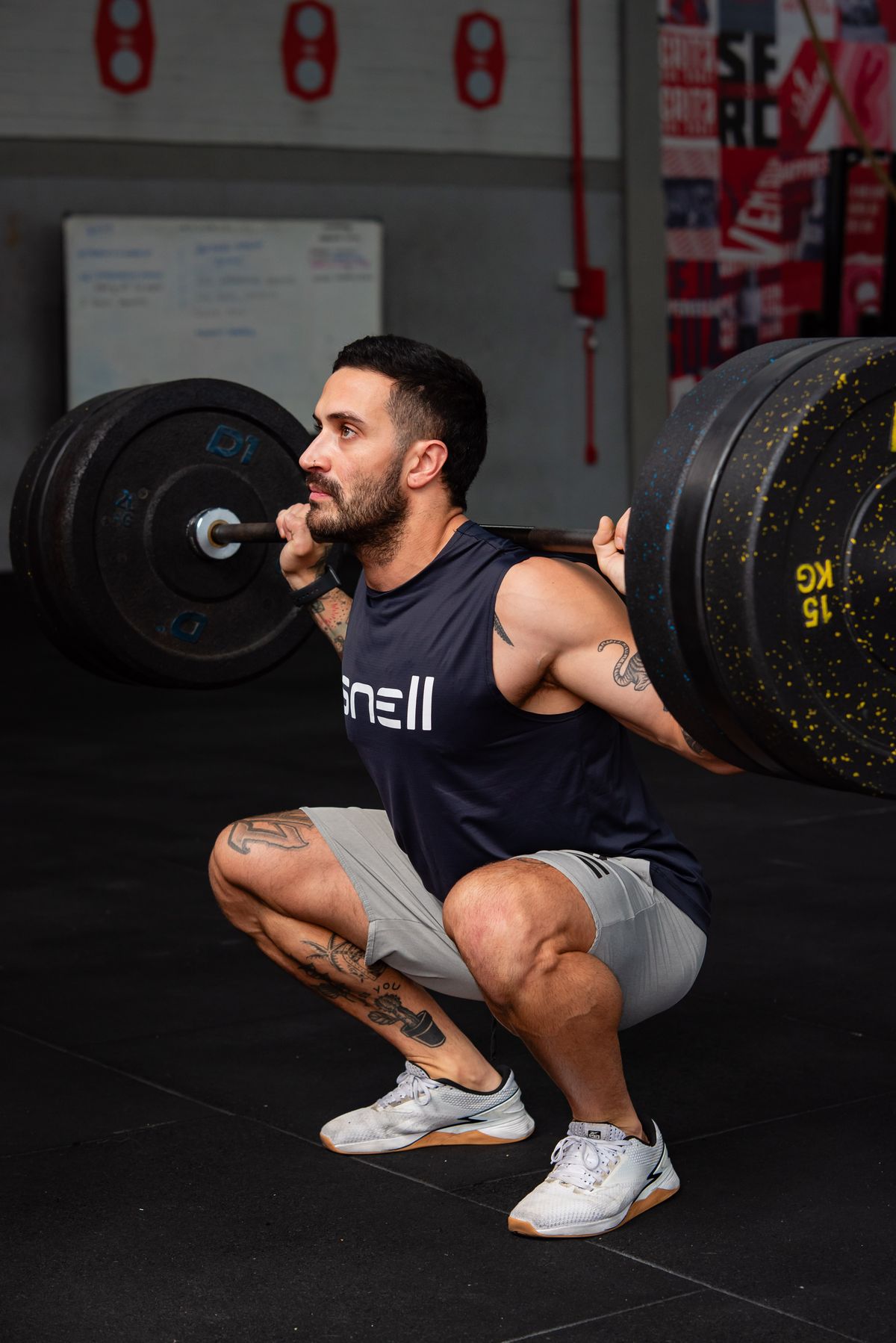
Keep lifting during fat loss. The training stimulus tells your body that muscle is still useful. Maintain important compound exercises and adjust volume only if recovery requires it.
Protein
A practical target for many lifters is around 1.6 to 2.2 grams per kilogram per day. Spread protein across several meals and use whole foods as the foundation.
Calories
Fat loss requires a calorie deficit. Start moderately rather than cutting food dramatically. Use weekly weight trends to decide whether an adjustment is needed.
Carbohydrates
Carbohydrates can support training performance. There is no requirement to remove rice, potatoes, oats, bread or fruit. Portion them according to your calorie target.

Cardio
Walking is an easy way to increase activity. Add cycling, running or other cardio according to your preferences and recovery. More is not automatically better.
Sleep
Sleep supports training, recovery and appetite management. Protect a consistent sleep routine during a fat-loss phase.
Tracking
Use average body weight, waist measurements, photos and gym performance. Do not react to a single weigh-in.
Common Mistakes
- Cutting calories too aggressively.
- Stopping resistance training.
- Doing excessive cardio.
- Eating too little protein.
- Trying to remove every enjoyable food.
Plan for Maintenance
Once you reach your preferred level of leanness, the work is not finished. Increase food gradually toward a sustainable maintenance intake and keep resistance training. The ability to maintain the result is more valuable than reaching a very lean state for a few weeks.
Managing Hunger
Choose high-volume foods such as vegetables, fruit, potatoes and lean protein. Keep meals satisfying and allow some flexibility. If hunger is extreme every day, the deficit may be too aggressive.
The Weekend Problem
Many people maintain a deficit Monday to Friday and then erase it through unplanned weekend eating. You do not need a perfect weekend, but having a rough plan for meals and social occasions can prevent large swings in calorie intake.
What Happens to Strength?
Some strength fluctuation during a cut is normal. The aim is to maintain as much performance as practical. If strength falls dramatically, check calories, sleep, protein and training volume before adding more cardio.
Think in Months
Body composition changes slowly. A moderate rate of fat loss is easier to sustain and generally more compatible with resistance training than crash dieting. Give your plan enough time before judging it.
Practical Plan
Use a moderate deficit, keep lifting, eat enough protein, walk regularly and recover. Give the process enough time to work.
For structured training support, see Olympian Sculpt. You can also use The Gym Pro’s Smart Body Composition Scale as one progress-tracking tool.
Related guides
- Lose Fat While Preserving Muscle: Training and Diet Guide
- Smart Scale Guide: Weight Trends and Body-Fat Limits
- Build a Sustainable Workout Routine Around Work
Further reading: ACSM resistance-training recommendations (2026). The worked programmes here are adjustable examples, not programmes tested in that publication.
This article provides general fitness and nutrition education and is not individual medical or dietary advice.
SHOP OUR TOP GYM PRODUCTS
Kevin Levrone Uncrowned T-Shirt – Cotton Gym Pump Cover
Sam Sulek Certified Women Avoider T-Shirt – Cotton Gym Tee
Mr Olympia T-Shirt – Joe Weider Oversized Bodybuilding Tee
Powerhouse Gym Oversized T-Shirt – LYFT Pump Cover
Powerhouse Gym Cap – Classic Denim Unisex Bodybuilding Hat
£26.99Original price was: £26.99.£15.99Current price is: £15.99.Mike Mentzer Clothing – Uncrowned King Cotton T-Shirt
Berserk Lever Belt – Anime Powerlifting Gym Belt
£84.99Original price was: £84.99.£69.99Current price is: £69.99.Ronnie Coleman T-Shirt – Funny Bodybuilding Gym Tee