


How Many Calories Do You Need to Build Muscle? A Practical Guide

Building muscle requires more than protein and hard workouts. Your total calorie intake influences body weight, training performance and recovery. The challenge is finding enough food to support growth without turning a muscle-building phase into unnecessary fat gain.
Why Calories Matter
Muscle growth requires energy and nutrients. You can build some muscle at maintenance calories, particularly as a beginner, but a modest calorie surplus can make gaining body weight and supporting training easier.
Finding Maintenance
There is no perfect maintenance calculation. Online calculators provide estimates. Your real body-weight trend over several weeks is more useful. If your weight is stable while eating a consistent intake, that intake is roughly maintenance.
Choosing a Surplus
A modest surplus is usually more practical than aggressive overeating. Start with a small increase above maintenance and monitor your average body weight. The goal is gradual gain.
Protein
Around 1.6 to 2.2 grams per kilogram of body weight per day is a useful target for many lifters. More protein is not automatically better if it displaces carbohydrates and fats.
Carbohydrates
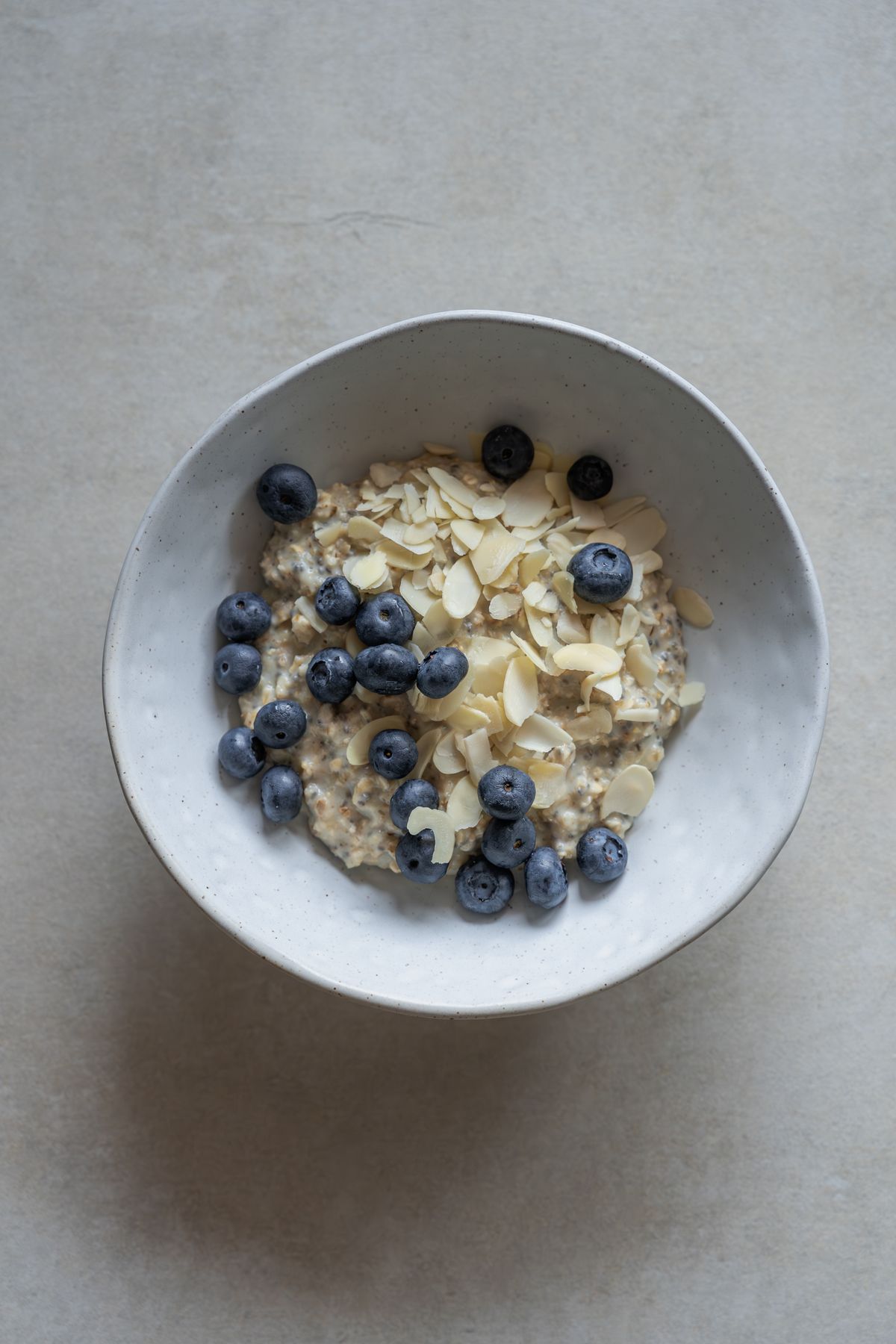
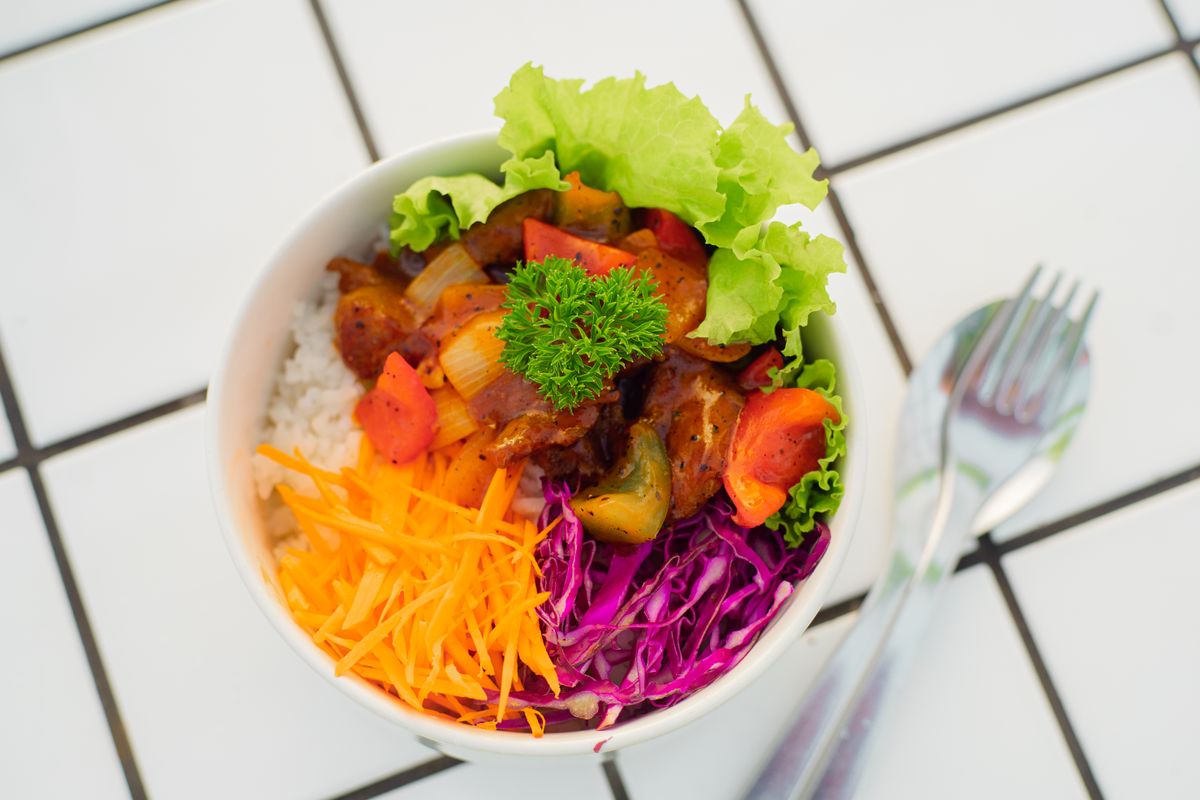
Carbohydrates support training performance and glycogen replenishment. Rice, potatoes, oats, pasta, bread and fruit can all fit into a muscle-building diet.
Dietary Fat
Fats are calorie-dense and useful for a balanced diet. Include foods such as eggs, nuts, olive oil, avocado and oily fish while keeping portions appropriate to your calorie target.
Tracking Progress
Weigh yourself under similar conditions and look at the weekly average. Daily fluctuations are normal because of water, sodium, carbohydrate intake and food volume.
If Weight Does Not Increase
If your average weight has not changed for several weeks and muscle gain is the goal, add a modest amount of food. An extra serving of rice, oats or another carbohydrate source can be enough.
If Weight Increases Too Fast
If body weight is rising much faster than intended, reduce calories slightly. Muscle cannot be built infinitely fast, so large surpluses generally increase the chance of unnecessary fat gain.
Practical Plan
Estimate maintenance, add a modest surplus, keep protein high, train progressively and monitor your weekly weight trend. Adjust gradually rather than making large changes.
For structured training to match your nutrition, see Olympian Sculpt and the free 7 Gym Commandments.
How to Add Calories Without Eating Junk
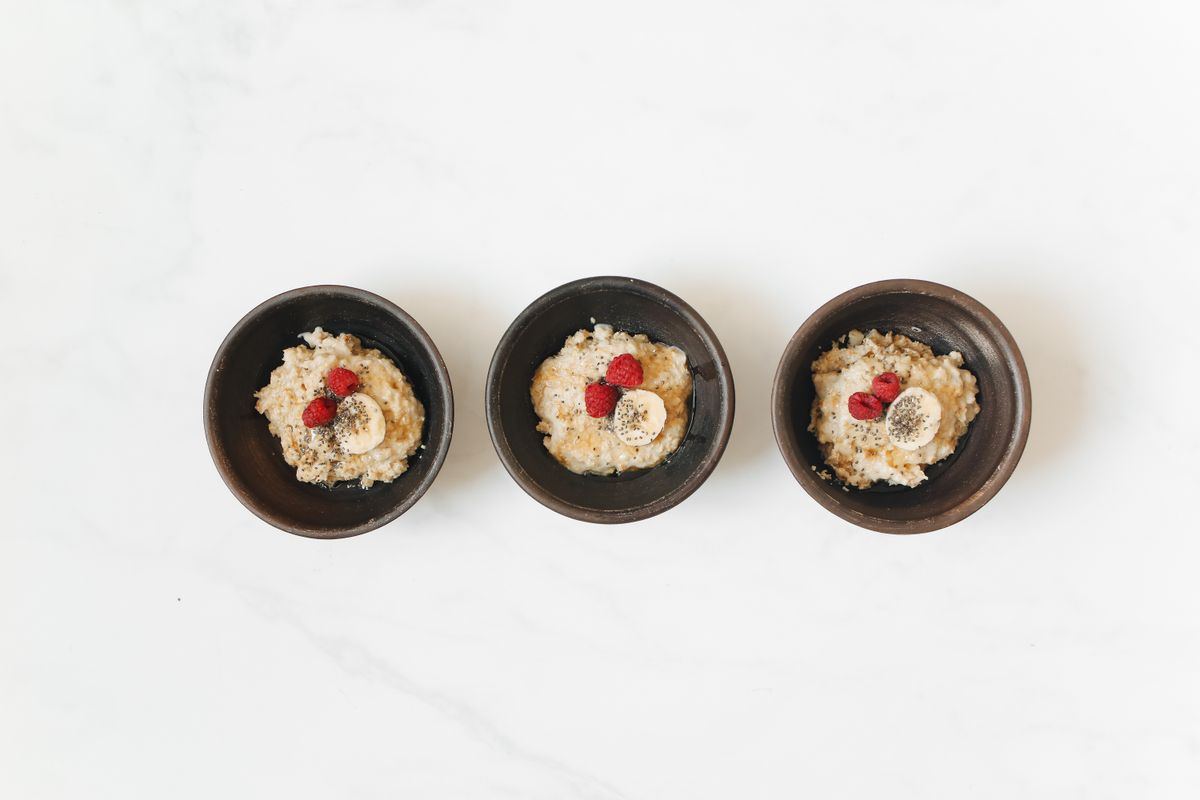
You do not need to rely on fast food to increase calories. Add practical foods such as oats, rice, potatoes, whole-grain bread, dairy, nuts, olive oil or fruit. Choose calorie-dense foods that you enjoy and can digest comfortably.
Meal Timing
Meal timing matters less than total intake, but spreading food across three to five meals can make a surplus easier. A protein-containing meal around training can also support recovery and provide carbohydrate for performance.
Managing a Low Appetite
Some people struggle to eat enough when trying to gain muscle. Smaller meals, smoothies, yoghurt, milk and other easy-to-consume foods can help. Do not force huge meals if they make you uncomfortable. Increase intake gradually.
What If You Gain Too Much Fat?
If body composition changes faster than you want, you can reduce the surplus or spend a period at maintenance. There is no requirement to keep gaining weight indefinitely. A controlled approach often produces a better long-term physique.
Tracking Body Composition
Body weight is useful but imperfect. A smart scale can provide additional estimates of body composition, although readings can fluctuate with hydration. The Gym Pro’s Smart Body Composition Scale can be used as one data point alongside body weight, measurements, photos and gym performance.
This article provides general nutrition and fitness education and is not individual dietary or medical advice.
SHOP OUR TOP GYM PRODUCTS
Berserk Gym Belt – Weightlifting Belt for Men & Women
Powerhouse Gym T-Shirt – Vintage Oversized Washed Cotton
Mike Mentzer T-Shirt – Heavy Duty Muscle-Fit Cotton Tee
Muscle Duke Gym Belt – Powerlifting Belt for Men and Women
Mr Olympia Muscle-Fit Sweatshirt – Vintage Bodybuilding Top
£51.99Original price was: £51.99.£25.99Current price is: £25.99.Tren and Jerry’s T-Shirt – Funny Gym Pump Cover
Ronnie Coleman Gym Merch – Legalize Tren Cotton T-Shirt
Nasser El Sonbaty Shirt – Uncrowned Mr Olympia T-Shirt