

Best Gym Clothes for Weightlifting: Fit and Fabric Guide

Choose gym clothes that let you squat, hinge and reach overhead without restricting movement, slipping or exposing more than you intend. Test movement and opacity before buying a larger rotation.
Gym clothes should do one thing first: let you train comfortably. You do not need expensive equipment to have a productive workout, but the right fit, fabric and design can make lifting easier and help you feel comfortable throughout the session.
A fitting-room test for lifting clothes
| Test | What to check | Reason to try another fit |
|---|---|---|
| Five bodyweight squats | Waistband stays in place; fabric remains opaque | Waist rolls, seams dig in or underwear shows |
| Hip hinge and reach overhead | Top clears your hips and shoulders move freely | Hem or sleeves repeatedly pull you out of position |
| Sit, lunge and raise a knee | Enough room through thighs and seat | Fabric limits depth before your joints do |
| Check pockets and fastenings | Contents stay secure and hardware avoids contact points | Keys, zips or loose cords catch the bench or bar |
Repeat these tests in the size you intend to train in, with your usual underwear. Opacity depends on lighting, colour, fabric tension and fit; a fabric label alone cannot guarantee it. If ordering online, check the retailer’s current size chart and return conditions before removing tags or wearing the garment for training.
Cotton, polyester or a blend?
Cotton can feel comfortable for a cooler, lower-sweat session but may stay damp after heavy sweating. Polyester-rich performance fabrics often dry faster, although construction matters as much as fibre. Elastane adds stretch; more stretch does not automatically mean better durability. Choose by the actual garment’s feel, weight and movement, rather than treating one fibre as essential.
For a basic rotation, start with two suitable tops and two bottoms, then add enough to cover your laundry cycle. An oversized top is optional. Long loose sleeves, dangling cords and a heavy layer that makes you overheat are poor trade-offs during demanding sets. Sports bras should be selected for support and comfort appropriate to the activity; a weightlifting outfit does not need to look like anyone else’s.
Separate footwear decisions from clothing
Test stability under the lifts you perform. Soft running shoes can feel unstable under heavy squats, while some lifters prefer a raised-heel lifting shoe for squats and a flatter shoe for pulls. Neither a particular shoe nor expensive clothing fixes technique. Ask your gym about footwear rules, especially if you are considering lifting without shoes.
Wash according to the care label, empty pockets and let damp kit dry promptly. Persistent rubbing, waistband problems or overheating are useful reasons to change an item; a trend is not a requirement.
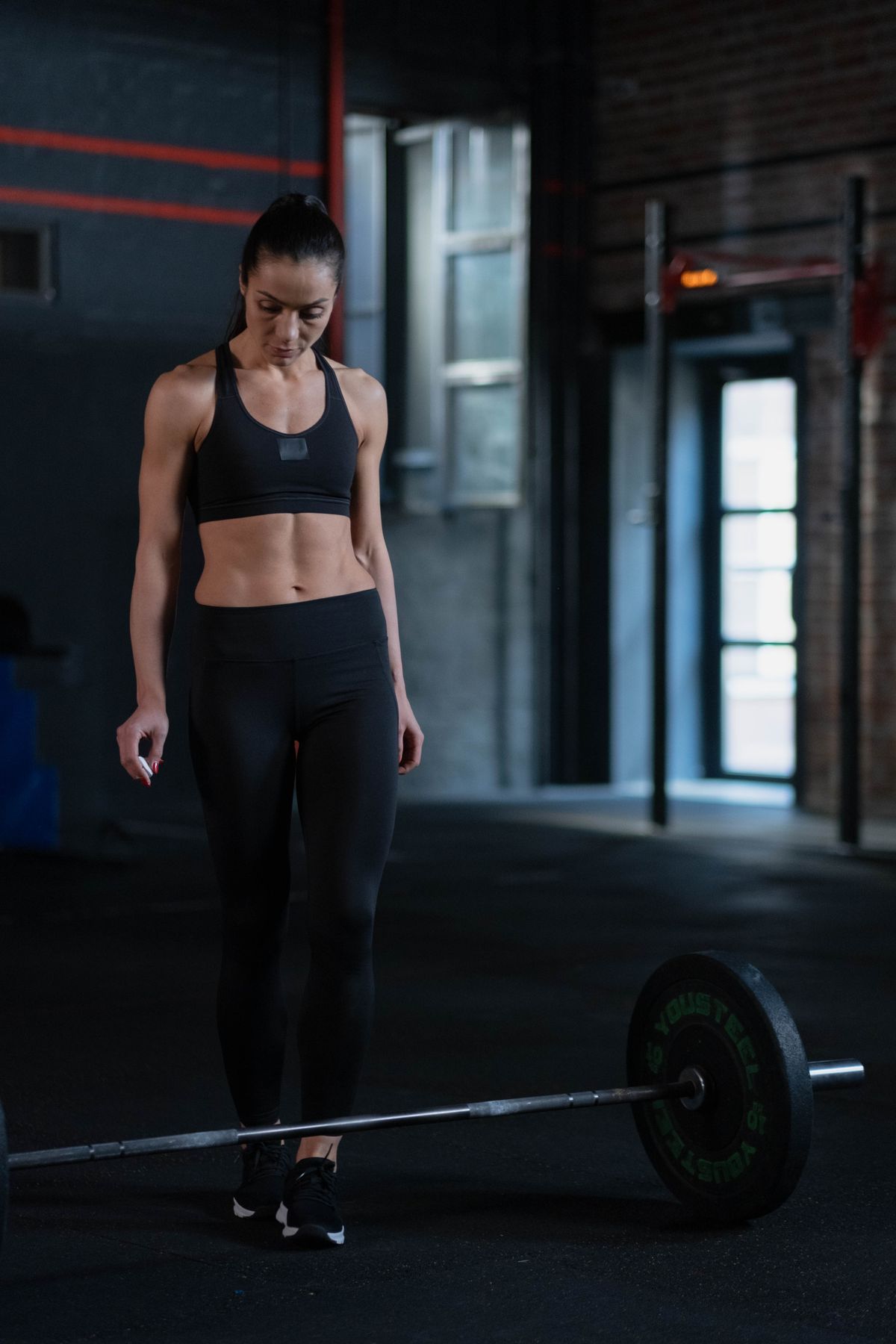
Choosing the Right Fit
Clothing should allow the movements your programme requires. Very loose tops can get in the way during pressing or machine work, while overly tight clothing can become uncomfortable during squats and hinges.
Gym Tops
T-shirts, stringers and pump covers can all work. Choose the cut according to your preference and the amount of freedom you want around the shoulders and arms.
Shorts and Trousers
Shorts should allow hip and knee movement. Joggers can be useful in colder gyms, while lighter shorts can be more comfortable during intense sessions.
Women’s Gymwear
For women, leggings and gym sets should provide a secure waistband and comfortable movement through squats, lunges and hip hinges. Fabric opacity and stretch are worth checking before buying.
The Gym Pro stocks women’s options including seamless two-piece gym sets and high-waisted impact leggings.
Fabric and Sweat
Breathable, moisture-managing fabrics can be useful during hard sessions. Cotton can feel comfortable but may hold sweat. Synthetic blends can dry more quickly.
Clothes for Weightlifting
For squats, deadlifts and presses, prioritise movement. Avoid anything that restricts the hips or shoulders. A fitted top can make it easier to see your technique, while a pump cover is useful for warm-ups or simply style.
Washing and Care
Follow the garment instructions. Washing gymwear promptly after training and avoiding excessive heat can help extend its life.
Style Without Sacrificing Function
There is nothing wrong with wanting gymwear that looks good. Choose colours and cuts you enjoy, but make sure the clothing remains functional. Gymwear should support training rather than distract from it.
What to Buy
Build a simple rotation of comfortable tops, bottoms and training sets. Add specialist pieces such as pump covers when you want them. The best gym clothes are the ones you actually enjoy wearing to train.
Browse The Gym Pro’s gymwear and apparel range if you want training clothes built around a bodybuilding and gym audience.
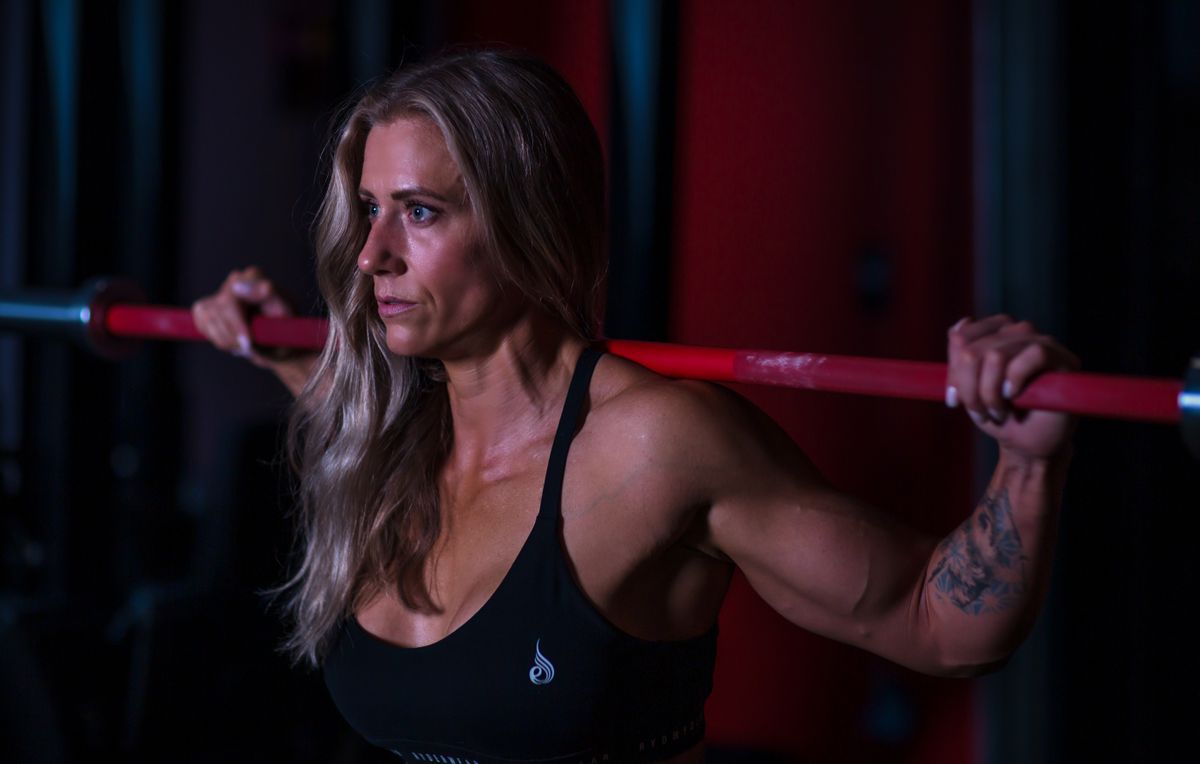
Why Pump Covers Are Popular
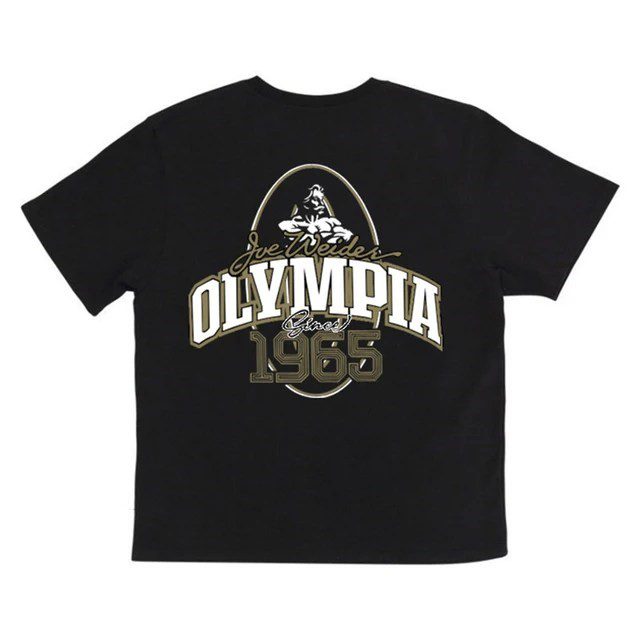
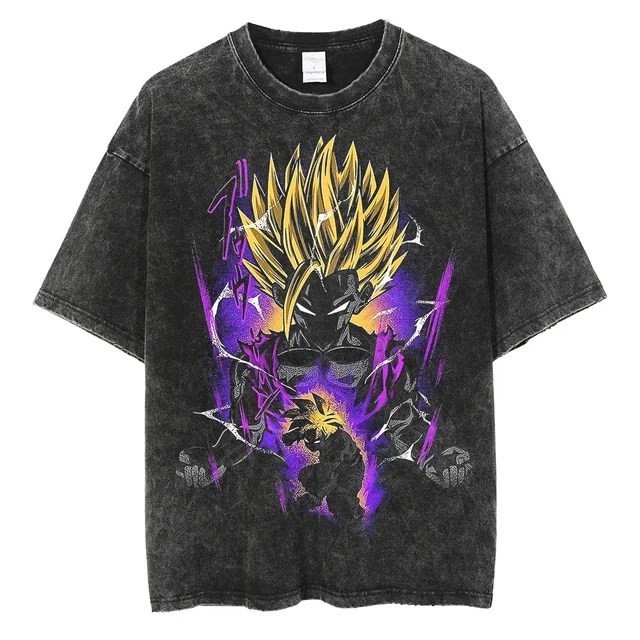
Pump covers are loose-fitting tops often worn at the start of a session and removed later. They are not a performance requirement, but many lifters enjoy the style and comfort. The Gym Pro’s range includes bodybuilding-inspired pump-cover designs for people who want that look in the gym.
Do Clothes Matter More Than Shoes?
For weightlifting, footwear can have a greater technical effect than a particular top. Stable shoes can help with certain movements. Clothing should simply allow you to move freely and stay comfortable.
Build a Small Rotation
You do not need dozens of outfits. A few reliable tops, two or three pairs of shorts or trousers and a couple of comfortable training sets can cover most sessions. Rotate garments so they can be washed properly and avoid wearing the same item every day.
Confidence and Consistency
Feeling comfortable in your training clothes can make getting to the gym easier. That does not mean clothing creates results. Training, nutrition and recovery do that. Clothing simply removes one more practical barrier.
For more detail, read what a pump cover is and use our oversized gym T-shirt sizing guide before ordering.
This article is general fitness and lifestyle information.
Related guides
- Squat Depth: Find a Stable, Comfortable Range of Motion
- How to Deadlift: Setup, Technique and Beginner Progression
- How to Stay Consistent at the Gym: A Busy-Week Plan
Further reading: Research on protein intake and resistance training. Meal examples are practical illustrations, not individually prescribed diets.
For colder journeys and warm-ups, see our gym hoodie vs sweatshirt guide for a practical layering comparison.
For a closer look at how individual pieces perform, compare our lifting shorts fit checklist, leg-day clothing and shoe guide and pump-cover sizing guide. Once you have chosen a fabric, see how to wash gym clothes and prevent persistent odours.
SHOP OUR TOP GYM PRODUCTS
Demon Oni Weightlifting Belt – Unisex Powerlifting Support
Heavy Washed Gothic Hoodie – Oversized Y2K Streetwear
Powerhouse Gym Oversized T-Shirt – LYFT Pump Cover
Mr Olympia Weightlifting Belt – PU Leather for Squats & Deadlifts
£45.99Original price was: £45.99.£38.99Current price is: £38.99.Loose Bodybuilding Trousers – Hardcore Gym Workout Pants
Milk Makes My Tummy Hurt T-Shirt – Funny Gym Pump Cover
Mr Olympia Hoodie – 2020 Zip-Up Bodybuilding Jacket
Tren and Jerry’s T-Shirt – Funny Gym Pump Cover