

Best Gym Shorts for Lifting: Fit, Fabric and Features That Matter
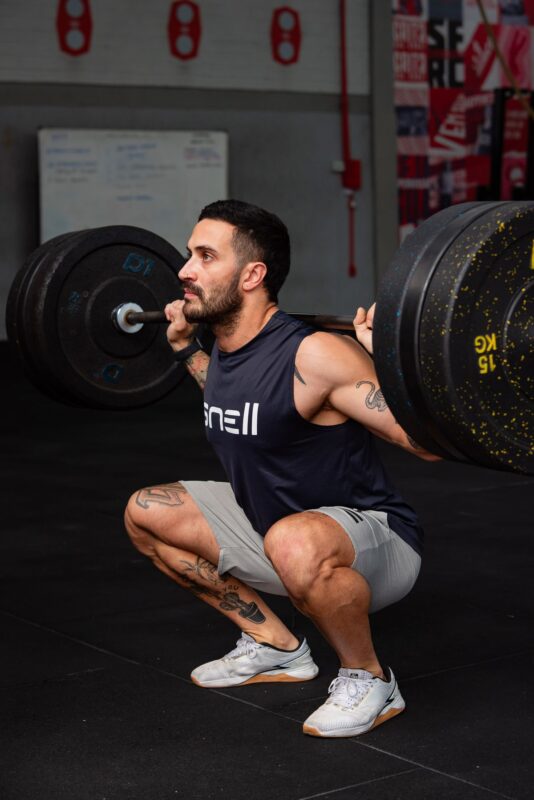
The best gym shorts for lifting allow a full squat and hip hinge, stay secure at the waist and keep fabric clear of the knees. Look for a stretch fabric or gusset, a waistband that does not roll, an inseam suited to your legs, flat seams and pockets that hold nothing bulky during the set.
Two pairs marked “training shorts” can behave very differently when you move. One may stay put through a squat but ride up on a lunge; another may feel roomy standing still and catch at the hip crease. Try the movements you actually do, then check the waistband, inseam and pockets. The best label or fabric description cannot make up for a cut that needs adjusting between every set.
How Should Gym Shorts Fit for Lifting?
They should be fitted enough to stay controlled but loose enough to move at the hips and thighs. The waistband sits securely without digging into the abdomen, especially when you inhale and brace. The seat and crotch must have enough fabric for depth without pulling the waistband down.
Bodybuilders with developed quads often find a waist size that fits but legs that feel tight. In that case, choose an athletic or relaxed thigh cut and use the drawcord to secure the waist. Sizing up in a slim cut may add unwanted waistband room without solving the shape.
Check the shorts from front, side and back while moving. A comfortable standing fit can become restrictive once the hip reaches deep flexion.
What Inseam Length Is Best?
The inseam is measured from the crotch seam down the inside of the leg. Common training lengths include five, seven and nine inches, but the same figure reaches a different point on different bodies.
| Approximate inseam | Typical feel | Possible issue |
|---|---|---|
| 5 inches | Maximum freedom and cooler feel | May ride high on benches or machines |
| 7 inches | Balanced coverage and movement | Fit still depends on thigh width |
| 9 inches | More coverage | Hem may drag over the kneecap |
| Below knee | Loose basketball-style look | Can restrict or catch during deep flexion |
A hem finishing above the kneecap is usually easiest for squats and lunges. If you prefer a longer look, choose side splits or stretch fabric so the hem can move around the thigh.
Fabric, Stretch and Breathability
Polyester and nylon
Synthetic fabrics are light, durable and quick drying. They suit hot gyms and sessions that mix lifting with conditioning. Look for mechanical stretch or elastane if the cut is close around the thighs.
Cotton
Cotton feels soft and suits relaxed bodybuilding shorts. It absorbs more sweat and dries slowly, so heavy cotton may feel warm during high-volume leg sessions.
Blends
Blended fabrics can balance comfort, stretch and drying speed. The percentage alone does not guarantee performance; fabric weight and construction remain important. Our guide to cotton vs polyester gym clothes covers the differences.
Four-way stretch
This means the fabric stretches lengthways and across its width. It can improve comfort, but seam design and cut still matter. A stretchy fabric under too much tension may become transparent or wear quickly.
Waistbands and Drawcords
A wide elastic waistband distributes pressure and usually stays flatter during squats. A narrow hard elastic can dig into the abdomen beneath a lifting belt. Internal drawcords create a clean look and reduce loose ends around equipment; external cords are easier to adjust but should be tied securely.
Test the waistband after a full breath and brace. If you can stand comfortably but the waistband becomes painful when the abdomen expands, the shorts are too tight for heavy compounds.
Place a lifting belt over a flat waistband. Thick knots, zipped back pockets and folded shirt hems can create pressure points.
Lined vs Unlined Gym Shorts
Built-in liner
Two-in-one shorts include an inner compression-style layer. This can provide coverage during deep squats and reduce the need for separate underwear. The liner must be long enough not to ride up and soft enough to avoid chafing.
Unlined shorts
These allow you to choose your own base layer. They dry as separate garments and may feel less restrictive. Wear supportive, moisture-appropriate underwear that also passes the movement test.
A liner is not inherently better. It becomes a disadvantage if its leg opening is tight, the rise does not suit your body or the two layers twist independently.
Pockets and Useful Details
- Zipped pockets: useful before and after the set, but remove a phone for squats and leg presses.
- Phone sleeve in liner: secure for walking, but a large phone can press into the thigh during deep flexion.
- Side splits: add room for the thigh without making the entire leg wider.
- Gusseted crotch: reduces seam tension across squats and lateral lunges.
- Reflective details: useful if you run outdoors as part of training.
- Towel loop: convenient, but make sure it cannot catch equipment.
The fewer objects in your pockets during a working set, the better. Keys can press into the hip, phones can fall beneath equipment and loose items can change how you sit on a machine.
Best Shorts for Different Lifts
Squats
Prioritise stretch or a gusset, a stable waistband and a hem above or free of the knee. Check opacity at full depth.
Deadlifts
Choose a close-enough leg opening that loose fabric does not brush the bar, but leave room for the hip hinge. Flat pockets are helpful.
Leg press and hack squat
Short loose legs can ride up as the thighs approach the torso. A liner or slightly longer inseam provides coverage.
Lunges and split squats
The shorts need forward-backward stride room and lateral stability. Side splits and four-way stretch can help.
Upper-body training
Most styles work. If you train full body, select for the lower-body movement because that is usually the stricter test.
Men’s and Women’s Lifting Shorts
Product categories differ in rise, hip shaping, liner and length, but movement criteria remain the same. Women may prefer cycling-short styles for close coverage or loose shorts with a built-in liner. Men may need extra thigh space relative to the waist. Anyone can choose the cut that fits their body.
For close-fitting shorts, test opacity and seam placement. For loose shorts, test coverage on a bench and leg press. Marketing labels do not override the mirror and movement test.
How Many Pairs Do You Need?
A small rotation is enough: two or three reliable pairs if you train several times a week and wash after each wear. Let sweaty shorts dry before placing them in a laundry basket, follow the care label and do not use excessive heat on elastane.
Buy a second pair only after the first has passed several real sessions. A design that looks good in a fitting room may reveal waistband or liner problems under load.
Gym-Shorts Buying Checklist
- Confirm actual waist and hip measurements.
- Compare the inseam with shorts you already own.
- Look for stretch, a gusset or sufficient thigh width.
- Check whether a liner is included.
- Perform a deep squat and long lunge.
- Check opacity under bright light.
- Put your phone and keys in the pocket, then remove them before lifting.
- Read the wash and drying instructions.
See The Gym Pro’s quick-dry gym shorts or explore broader bodybuilding apparel options.

Frequently Asked Questions
Are five-inch shorts too short for lifting?
No, if they provide the coverage you want and do not ride excessively on benches or machines.
Should gym shorts be tight or loose?
They should stay secure without restricting the hips or thighs. Both fitted and loose designs can work if the cut suits the movement.
Are running shorts good for weightlifting?
Some are, especially for mixed training. Very light split running shorts may offer less coverage on leg presses and benches.
Do I need a liner?
No. A liner is convenient but optional. Unlined shorts with a suitable base layer work equally well.
Why do my shorts fall during squats?
The rise, waistband or hip room may be wrong. Tight thighs can pull the waistband down even when the waist size seems correct.
Test the Shorts With the Rest of Your Kit
Shorts do not operate in isolation. Wear the underwear, knee sleeves and lifting belt you normally use, then repeat the squat test. A waistband that feels fine alone may bunch beneath a belt, while a liner may catch the top of a knee sleeve.
Check the outfit again after the first wash because minor shrinkage or a tightened drawcord can change the fit. Keep the packaging until the unworn movement check is complete, and follow the seller’s returns conditions.
Shorts merely remove friction from training; the exercise itself matters. The NHS includes strengthening work for all major muscle groups in its adult activity guidance.
Final Takeaway
The best gym shorts for lifting disappear from your attention. They stay at the waist, clear the knee, tolerate full hip flexion and keep their seams relaxed at depth. Test movement before style, then choose the fabric and features that fit the rest of your training.
SHOP OUR TOP GYM PRODUCTS
Yujiro Hanma Gym Hoodie – Oversized Anime Pump Cover
£32.99Original price was: £32.99.£23.99Current price is: £23.99.Mr Olympia Amateur Korea T-Shirt – Oversized Cotton Tee
Tren and Jerry’s T-Shirt – Funny Gym Pump Cover
Smart Body Composition Scale – Bluetooth LCD Fitness Tracker
£38.99Original price was: £38.99.£29.99Current price is: £29.99.Berserk Muscle-Fit Gym T-Shirt – Anime Workout Tee
Demon Oni Weightlifting Belt – Unisex Powerlifting Support
Samurai Weightlifting Belt – Japanese Calligraphy Gym Belt
Mr Olympia Weightlifting Belt – PU Leather for Squats & Deadlifts
£45.99Original price was: £45.99.£38.99Current price is: £38.99.