

How Should a Pump Cover Fit? Oversized Gym T-Shirt Sizing Guide
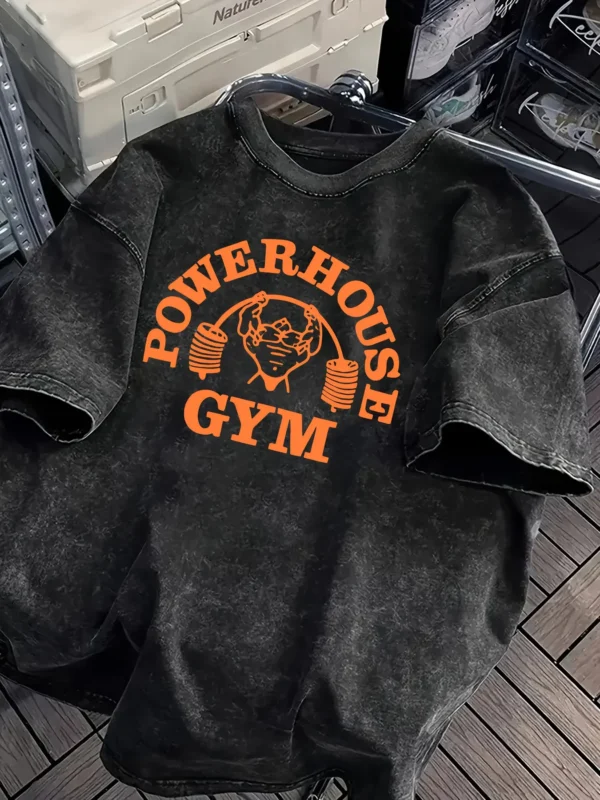
How should a pump cover fit? It should feel clearly roomier than a standard gym T-shirt while still letting you train without fabric catching, twisting or bunching. The shoulder seam usually sits below your natural shoulder, the chest has extra width and the sleeves are longer or wider. The hem should provide coverage without interfering with squats, deadlifts or a lifting belt.
Use a T-shirt you already like as your reference instead of ordering a larger letter size on instinct. Lay it flat, compare chest width and length with the listing, then consider whether a dropped shoulder or wide sleeve will get in the way of your usual lifts. An oversized cut can give the relaxed look without an extra size up. If the hem reaches your hands during a hinge, try a shorter shape.
What Does a Good Pump-Cover Fit Look Like?
A well-cut pump cover looks intentional. The body hangs away from the torso rather than stretching across it. The shoulder line drops slightly down the upper arm. Sleeves often finish near the elbow, although shorter boxy sleeves can also work. The hem generally falls below the waistband.
Oversized does not mean every measurement must be enormous. A garment can be wide and boxy without being extremely long. In fact, a boxy cut often works better for lifting because it gives room through the chest and back without reaching too far down the thighs.
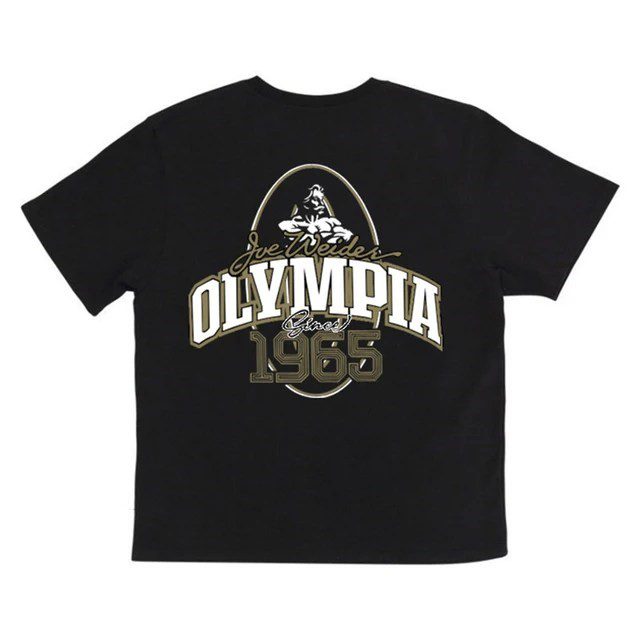
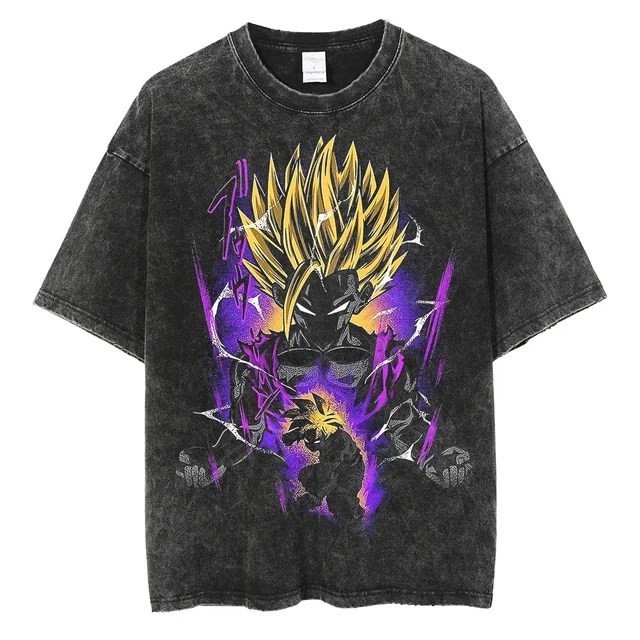
There is no single correct silhouette. Old-school bodybuilding tops often have a heavy, broad cut; streetwear-inspired pump covers may use dropped shoulders and large back graphics; lighter training versions may be only moderately oversized. Choose the version that fits how you train.
Four Measurements That Matter
1. Pit-to-pit width
Lay the T-shirt flat and measure straight across from one armpit seam to the other. Double that figure if you want an approximate chest circumference, but remember that the garment needs ease beyond your body measurement. Comparing flat measurements between two tops is usually simpler.
2. Body length
Measure from the highest point of the shoulder beside the collar to the bottom hem. A longer cut gives more coverage but can bunch beneath a belt or catch at the hips during deep squats.
3. Shoulder width
Measure across the back from shoulder seam to shoulder seam. A pump cover often places those seams beyond your natural shoulder points. The further they drop, the more pronounced the oversized look.
4. Sleeve length and opening
Long sleeves are not a problem by themselves. Check the cuff width: an extremely wide opening can brush a cable, bar or machine pad. You should be able to bend the elbows and reach forward without the sleeve twisting.
Should You Size Up for a Pump Cover?
First identify the base cut. If a product is labelled “oversized”, “boxy” or “drop shoulder”, your normal size may already produce the intended silhouette. Sizing up can add unwanted body length as well as width. If the product uses a standard or athletic fit, moving up one size may create a looser look.
| Product cut | Starting point | Check before ordering |
|---|---|---|
| True oversized | Your usual size | Compare chest and length measurements |
| Standard unisex | Usual size or one size up | Make sure added length is acceptable |
| Muscle fit | Not ideal for a classic pump-cover shape | Sizing up may still remain narrow at arms or chest |
| Heavy boxy tee | Your usual size | Check fabric weight and shoulder drop |
Do not order by the model’s height alone. Two people of the same height can have different torso lengths, shoulder widths and preferred levels of coverage. Model information is useful only when paired with garment measurements.
Adjusting the Fit for Your Build
Broad shoulders or developed back
Prioritise pit-to-pit and shoulder measurements. A top can look oversized from the front but become tight across the upper back when you reach forward for a row. Use the crossed-arm test before removing tags.
Shorter torso
Look for a boxy cut rather than repeatedly sizing up. Extra-large standard shirts often become much longer, which can overwhelm the silhouette and interfere with leg training.
Taller frame
Check actual body length and sleeve length. Some “oversized” tees add width without much length. A tall size or deliberately longline cut may be more suitable.
Between sizes
Choose based on the measurement that cannot be compromised. If one size fits the shoulders but the next gives excessive length, select the better shoulder fit and accept a slightly less dramatic oversized shape.
The concept is the same for men and women: use the garment chart and decide how much ease you want. Pump covers are style-led unisex gymwear, so the label matters less than the dimensions.
Test the Pump Cover for Actual Training
A mirror check is not enough. Perform the movements that matter:
- Overhead reach: the hem should not rise so far that you lose the coverage you wanted.
- Bodyweight squat: the shirt should not pull tightly across the upper back or bunch heavily at the hips.
- Hip hinge: confirm the hem stays clear of your knees and does not swing into the bar path.
- Bench setup: make sure folds of thick material do not make your upper-back position uncomfortable.
- Arm curl: sleeves should not obstruct elbow movement or become trapped in a machine pad.
Very loose clothing deserves extra care around moving parts. Keep fabric away from treadmill belts, plate-loaded hinges, cable attachments and exposed catches. If the garment becomes a distraction, remove it.
How Fabric Changes the Fit
A heavyweight cotton tee tends to hold a boxier shape and drape away from the body. A light cotton jersey may collapse closer to the torso. Polyester and stretch blends can follow movement more easily but may look less structured.
Washing also changes fit. Cotton may shrink if exposed to excessive heat, while printed garments can crack or fade if washed and dried aggressively. Follow the care label, turn graphic tops inside out and avoid assuming a deliberately oversized shirt can tolerate shrinkage without changing its proportions.
Pump-Cover Buying Checklist
- Measure a T-shirt whose fit you understand.
- Compare pit-to-pit width, body length, shoulder width and sleeves.
- Confirm whether the listed measurements are for the garment or the body.
- Check whether the product is already designed oversized.
- Choose fabric weight for the amount of time you will wear it.
- Read the returns policy before removing tags or washing.
- Test a squat, hinge, press and overhead reach when it arrives.
For examples of intentionally oversized cuts, see The Gym Pro’s anime gym clothes and pump covers. If the term itself is new to you, read our guide explaining what a pump cover is.

Fit Problems and Their Likely Cause
| Problem | Likely cause | What to try |
|---|---|---|
| Tight across upper back | Insufficient chest or shoulder width | Choose a wider cut or next size |
| Hem reaches too low | Sized up in a long standard cut | Choose a shorter boxy oversized tee |
| Sleeves catch equipment | Cuff opening is too wide | Use a more moderate sleeve |
| Top twists during presses | Excess fabric or slippery lightweight material | Choose more structure or less width |
| Graphic looks distorted | Fabric is stretching across torso | Increase chest width |
Frequently Asked Questions
How oversized should a pump cover be?
Oversized enough to hang away from the torso and drop beyond the natural shoulder, but not so large that it catches equipment or prevents you seeing your setup.
Should a pump cover cover the shorts?
It can overlap the waistband, but it does not need to hide the shorts. Excessive length is often less practical for squats and deadlifts.
Are pump covers meant to be removed?
They can be, but removal is optional. Some lifters keep them on for the entire session.
Is a unisex pump cover different from a men’s T-shirt?
Often the main difference is how the sizing is presented. Judge the garment by its actual measurements and cut.
What if I want a fitted look after the warm-up?
Wear a fitted vest or T-shirt underneath and remove the pump cover when comfortable. Make sure the two layers do not restrict shoulder movement.
How to Read an Online Size Chart
Check whether measurements are shown in centimetres or inches and whether chest means body circumference or the width of the garment laid flat. If the chart gives half-chest measurements, compare pit to pit rather than doubling several rounded figures. Allow for normal manufacturing tolerance and read any product-specific note about shrinkage.
When your preferred top falls between two listed sizes, match the shoulder and chest first, then decide whether the added length of the larger option remains practical. Save the measurements of successful purchases; they become a personal reference that is more reliable than the size letters.
After choosing the fit, follow the garment’s symbols rather than guessing at temperature or drying. GINETEX provides a reference for common textile care symbols.
Deciding between a close-fitting top and a loose pump cover? Use our compression shirt vs oversized gym shirt comparison to check how each style feels during your usual lifts before choosing a size.
Final Takeaway
A good pump-cover fit combines deliberate width with usable length. Start with measurements, not assumptions. If the top gives your shoulders and chest room, survives a basic movement test and stays clear of equipment, it is oversized in a way that works rather than merely looking large.
SHOP OUR TOP GYM PRODUCTS
Muscle Duke Gym Belt – Powerlifting Belt for Men and Women
Mr Olympia T-Shirt – Joe Weider Oversized Bodybuilding Tee
Demon Oni Weightlifting Belt – Unisex Powerlifting Support
Mr Olympia Weightlifting Belt – PU Leather for Squats & Deadlifts
£45.99Original price was: £45.99.£38.99Current price is: £38.99.Mike Mentzer T-Shirt – Heavy Duty Muscle-Fit Cotton Tee
Sam Sulek Certified Women Avoider T-Shirt – Cotton Gym Tee
Kevin Levrone Uncrowned T-Shirt – Cotton Gym Pump Cover
Dorian Yates Bodybuilding Oversized Gym T-Shirt