



RIR and RPE Explained: A Practical Effort Scale
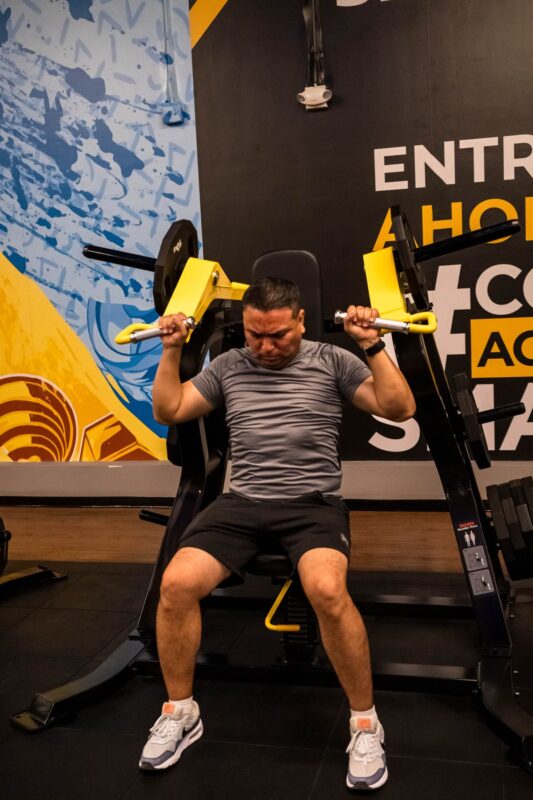
RIR estimates how many more good repetitions you could perform. On the resistance-training set RPE scale, RPE 10 is approximately zero RIR, RPE 9 one RIR and RPE 8 two RIR. These are estimates, not precise measurements.
Knowing how hard to train is one of the most useful skills you can develop in the gym. RIR, or reps in reserve, and RPE, or rating of perceived exertion, give you simple ways to describe effort without relying only on the weight on the bar.
Use the lifting-specific scale
| Set RPE | Approximate RIR | What it means |
|---|---|---|
| 10 | 0 | No further repetition meeting your standard |
| 9 | 1 | Probably one more good repetition |
| 8 | 2 | Probably two more |
| 7 | 3 | A clear margin remains |
| 6 or lower | 4 or more | Easy effort; exact estimates become less useful |
This mapping refers to an RIR-based resistance-training scale. It is different from other perceived-exertion scales used for aerobic exercise, including the 6–20 Borg scale. Always check which scale your programme uses before interpreting a number.
Log a set in a way you can compare
Write “row, 40 kg, 10 reps, about 2 RIR” rather than just the weight. If you later achieve 12 reps at the same load and similar effort, that suggests progress. If you achieve 12 only by swinging and shortening the range, you changed the movement standard.
Breathlessness and a muscle burn can make a set feel hard before the target muscle is close to failure. Conversely, beginners may underestimate how many repetitions remain. Treat early estimates as rough and use a consistent setup while you learn.
Adjust without chasing a perfect number
If the programme asks for 8–12 reps at roughly 2 RIR and you stop at eight with five left, add a repetition next set or choose a slightly higher load. If eight already requires an uncontrolled grind, reduce the load. Small corrections are enough; there is no need to test failure on every exercise to calibrate the scale.
On a demanding or unfamiliar lift, err towards leaving more room. Use safeties and coaching where appropriate. RIR is a communication tool that helps organise effort; it does not independently establish that a movement or load is safe.
What Is RIR?
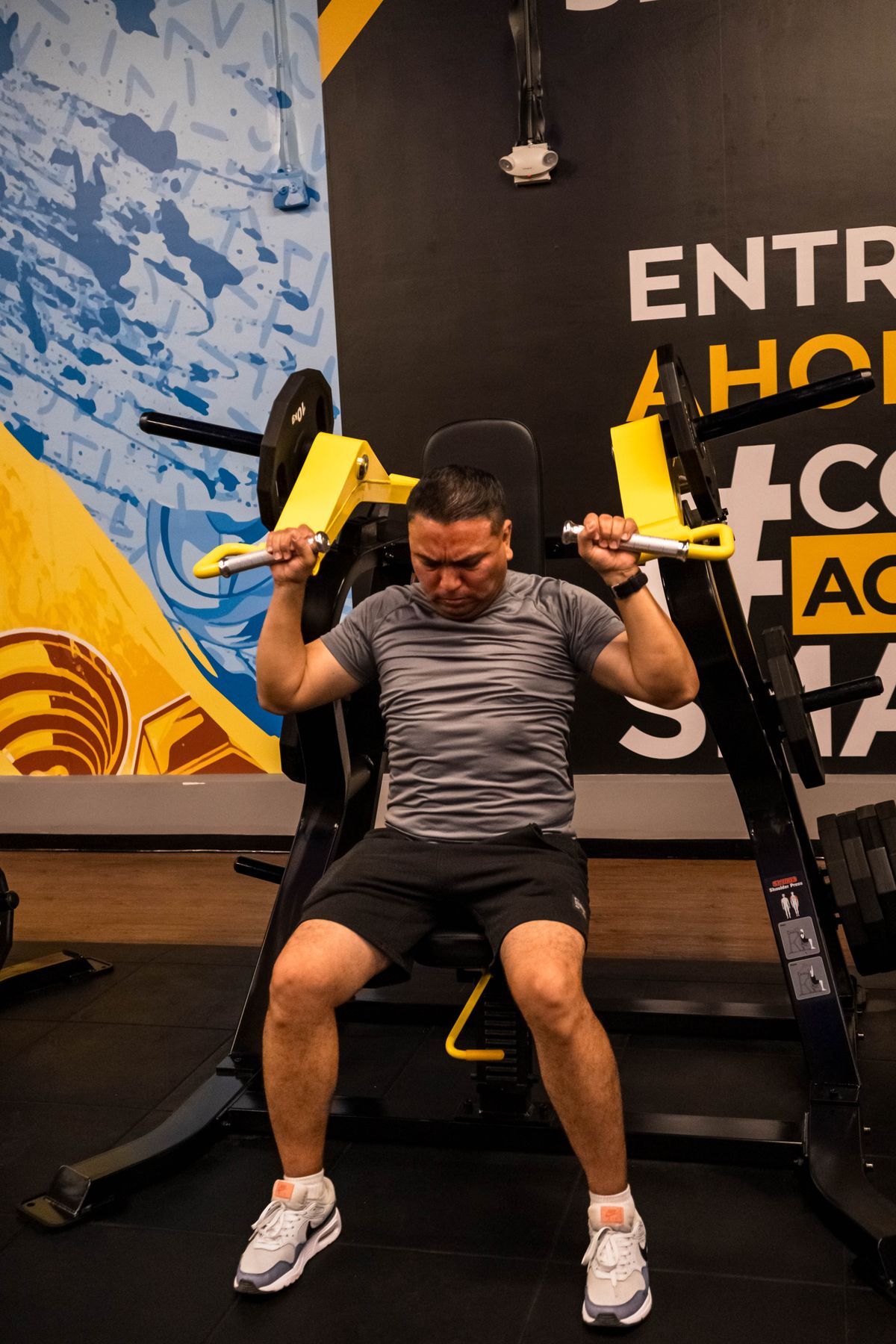
RIR estimates how many good repetitions you could have performed after finishing a set. Three RIR means you believe three controlled repetitions remained. One RIR means the next repetition might have been your final good repetition.
What Is RPE?
RPE is a broader effort scale. In resistance training, RPE 10 is generally equivalent to failure, RPE 9 is around one repetition left, and RPE 8 is around two repetitions left. RIR is often easier for beginners because it directly asks how many repetitions remain.
The RIR-RPE Scale
- 4 RIR: easy working set.
- 3 RIR: challenging but comfortable.
- 2 RIR: hard and productive.
- 1 RIR: very hard.
- 0 RIR: failure.
Most bodybuilding work can live around 1 to 3 RIR. You can occasionally push selected isolation movements closer to failure.
Using RIR on Compound Exercises
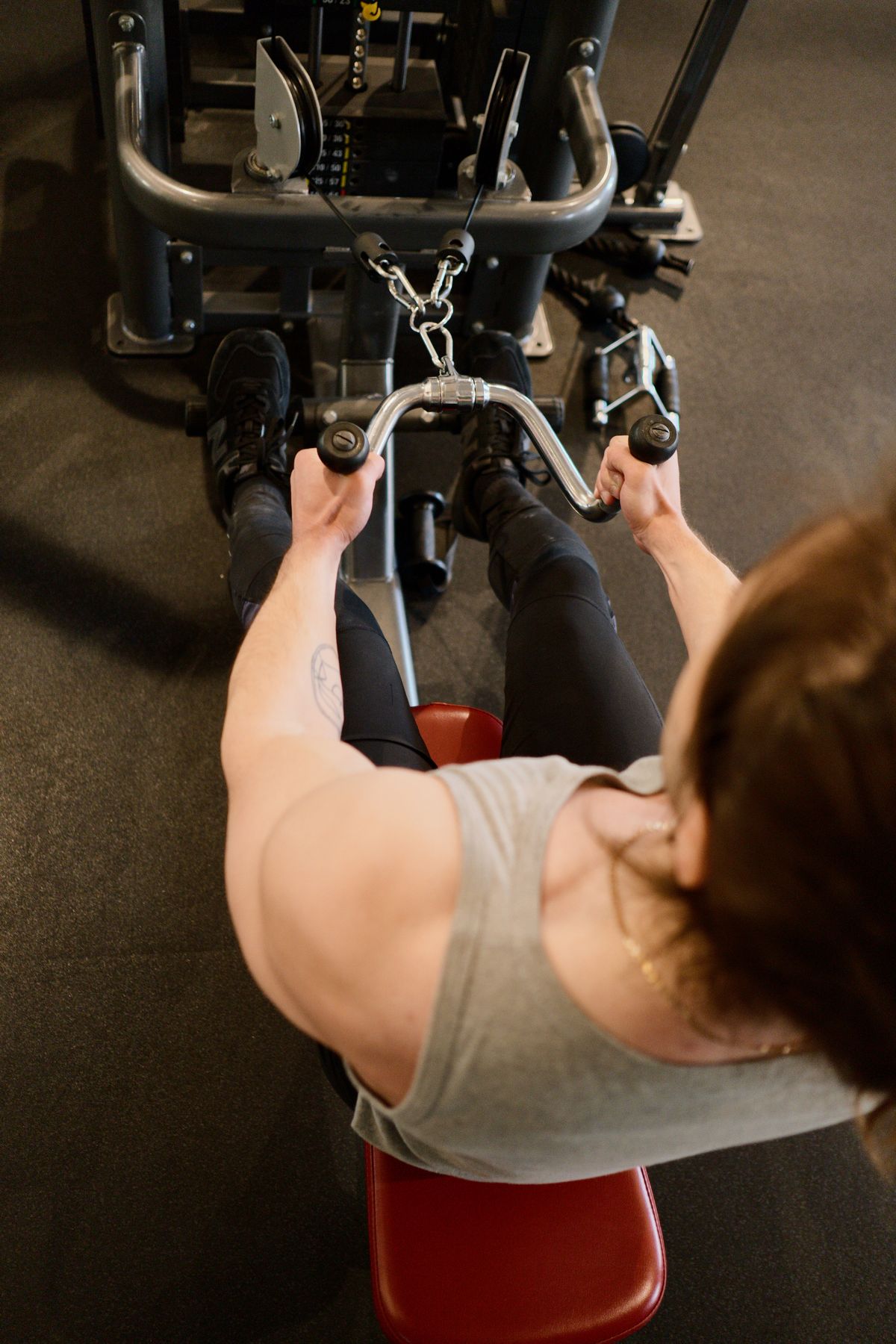
Squats, presses and rows can create significant fatigue. Stopping around 1 to 3 RIR often provides a good balance between stimulus and recovery. The exact number depends on the exercise, experience and phase of training.
Using RIR on Isolation Work
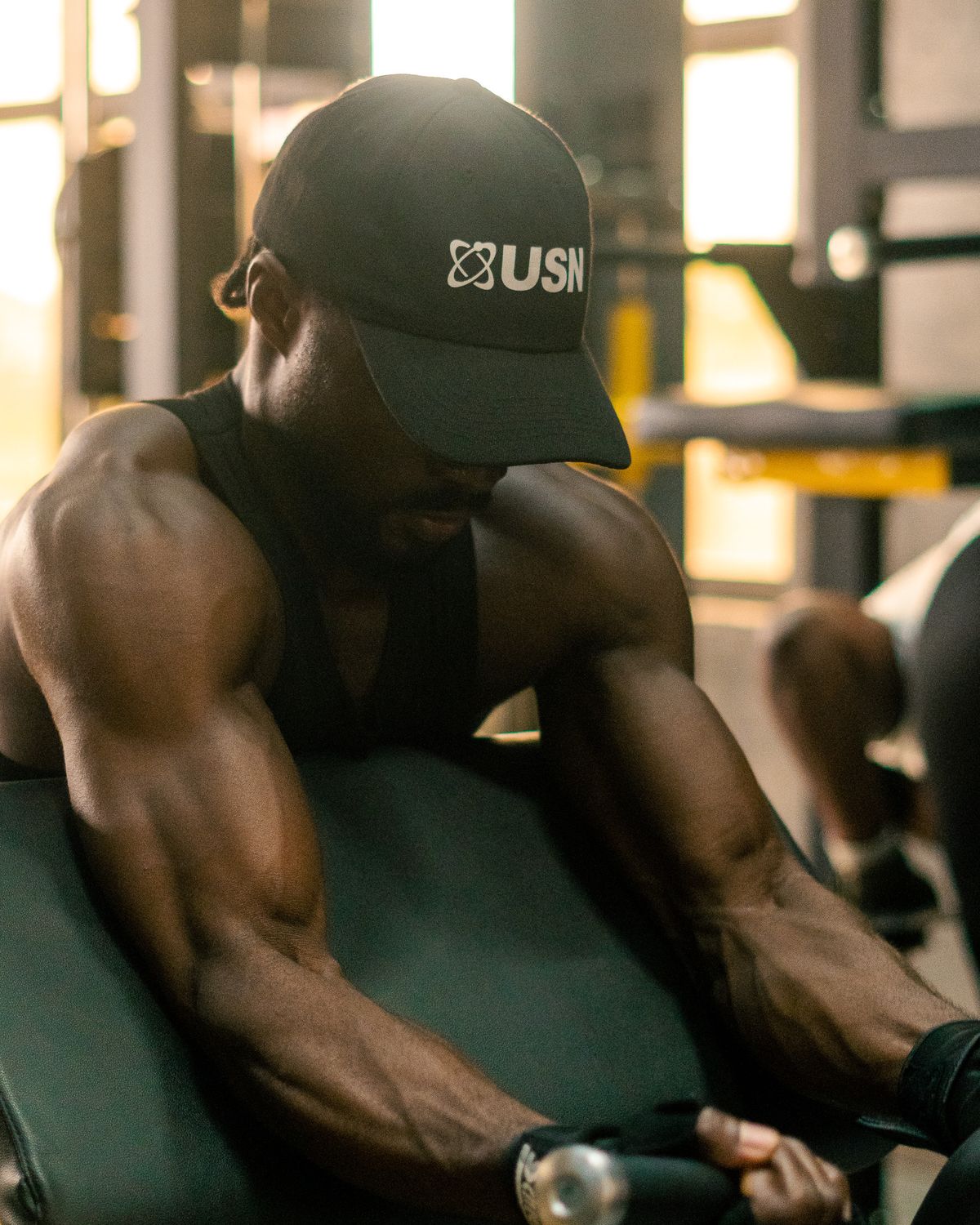
Curls, lateral raises, leg extensions and cable exercises can usually be taken closer to failure. Because technique is easier to control, 0 to 2 RIR may be appropriate on selected sets.
RIR and Progressive Overload
RIR helps explain why two sets using the same weight can produce different results. If you perform 80 kg for 10 repetitions at 3 RIR one week and 10 repetitions at 1 RIR the next, the second set was harder even though the load and repetitions were identical.
Over time, aim to progress the load or repetitions while keeping effort in a sensible range.
Beginners
Beginners may struggle to estimate RIR accurately. Start with conservative effort and gradually learn the difference between discomfort and actual muscular failure. The skill improves with experience.
Common Mistakes
- Calling every difficult set failure.
- Underestimating how much effort is required.
- Changing RIR targets every workout.
- Using RIR to justify poor technique.
- Ignoring the effect of sleep and nutrition.
Why RIR Helps Recovery
Not every session needs maximum effort. A sensible RIR target lets you adjust training according to fatigue. If sleep was poor, you may perform the same exercise but stop slightly earlier. If you are well recovered, you can push harder.
RIR Does Not Apply to Warm-Up Sets in the Same Way
Warm-up sets have a different purpose from working sets. You are preparing the movement and gradually increasing the load, not trying to create maximum stimulus. Do not count a light warm-up set as a hard working set simply because it made you feel warm.
RIR Can Vary by Exercise
A set of lateral raises at 1 RIR is not equivalent to a squat at 1 RIR in terms of whole-body fatigue. That is why RIR should be used alongside common sense. A demanding compound exercise can be productive without being pushed to the same absolute limit as a machine or isolation exercise.
Use RIR Across the Week
You can deliberately vary effort. For example, the first upper-body session could use 2 RIR on most compounds and the second could use 1 to 2 RIR. If fatigue accumulates, keep the same exercises but increase the RIR target temporarily. This creates flexibility without abandoning the programme.
Record Effort
If useful, add RIR to your training log. Writing down 10 reps at 70 kg, 2 RIR tells you more than simply writing 10 reps at 70 kg. Over time you can compare performance at similar effort levels and see whether you are becoming stronger.
RIR During a Plateau
If progress stalls, check whether your effort is actually consistent. You may be using the same weight but training much further from failure because of fatigue or poor sleep. Alternatively, you may be taking every set to failure and accumulating too much fatigue. RIR helps identify both problems.
Practical Guide
Use RIR as a simple way to control effort: keep most compound sets around 1 to 3 RIR and use closer-to-failure work selectively on stable isolation exercises.
For a complete structured training system, see Olympian Sculpt. The free 7 Gym Commandments also covers effort and training principles.
Related guides
- Training to Failure: When to Use It and When to Stop
- Sets Per Muscle Per Week: Count and Adjust Your Volume
- Rest Between Sets: A Practical Guide for Muscle Growth
- Mind-Muscle Connection: When to Use It in Your Training
- Best Rep Range for Muscle Growth: How to Choose Yours
Further reading: ACSM resistance-training recommendations (2026). The worked programmes here are adjustable examples, not programmes tested in that publication.
This article provides general fitness education and is not individual medical or coaching advice.
SHOP OUR TOP GYM PRODUCTS
Tren and Jerry’s T-Shirt – Funny Gym Pump Cover
Dorian Yates Bodybuilding Oversized Gym T-Shirt
Sam Sulek Certified Women Avoider T-Shirt – Cotton Gym Tee
Ronnie Coleman T-Shirt – Funny Bodybuilding Gym Tee
Mike Mentzer Clothing – Uncrowned King Cotton T-Shirt
Creatine Meme T-Shirt – Funny Gym Shirt for Men
Mr Olympia T-Shirt – Joe Weider Oversized Bodybuilding Tee
Mr Olympia Winter Hat – Thermal Bodybuilding Beanie
£28.99Original price was: £28.99.£21.99Current price is: £21.99.