



Return to the Gym After a Long Break: A Four-Week Plan
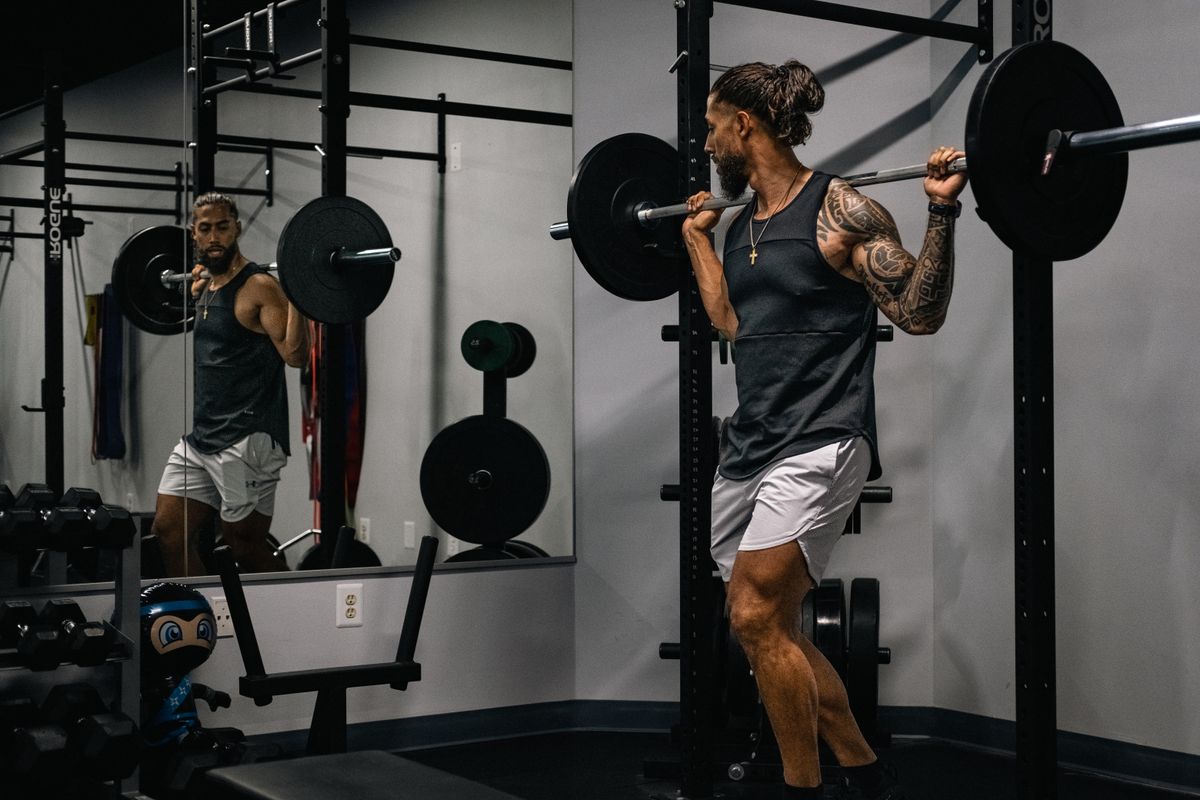
To return to the gym after a long break, start with less work than you remember being able to do, choose familiar exercises and leave several repetitions in reserve. Your first goal is to complete repeatable sessions and recover well enough to come back.
The most tempting first session is a copy of your old one. That can leave you too sore to return on schedule. Pick familiar movements, perform fewer hard sets than you used to and note how you feel two days later. If you recover and your technique stays steady, add a little work in the next week. The plan gives you a route back into training without treating an old personal best as today’s starting weight.
Return to the gym: choose a realistic first week
Decide how many sessions your actual schedule can support. Two or three full-body workouts are often easier to manage than trying to recreate an old five-day split immediately. Put the appointments in your calendar and allow time for an unhurried warm-up.
Choose exercises you recognise and equipment you can use confidently. If the gym has changed, ask for an induction or a refresher. Familiarity reduces the number of things you have to solve during the first session.
Keep the first workout deliberately modest. You should leave knowing that you could have done more. That is not wasted potential; it gives you information about how your current body responds. A successful restart is measured by the next several sessions, not by how exhausted you become on day one.
Check whether general guidance is enough
Think about why you stopped and what has changed since. A busy period at work is different from a knee operation, prolonged illness or a new condition that affects exercise tolerance. Advice from your clinician or physiotherapist should shape the return where relevant.
Do not use old lifting numbers as evidence that a movement is currently suitable. Pain, unusual breathlessness, dizziness or other concerning symptoms are reasons to stop and seek appropriate advice. The aim is not to push through a warning sign to prove that your motivation has returned.
If you are simply out of practice, the NHS activity guidance supports being active regularly and strengthening the major muscle groups. Build towards an appropriate overall activity pattern gradually rather than treating the first week as a fitness test.
A simple full-body session
Pick one option from each movement row. Perform a light rehearsal set before the working sets as needed. Start with one or two working sets per exercise, using a comfortable load that leaves several clean repetitions available.
| Movement | Example exercise | Starting target |
|---|---|---|
| Knee-dominant lower body | Goblet squat or leg press | 1–2 sets of 8–12 |
| Upper-body push | Machine press or dumbbell press | 1–2 sets of 8–12 |
| Upper-body pull | Supported row | 1–2 sets of 8–12 |
| Hip-dominant lower body | Light Romanian deadlift or suitable alternative | 1–2 sets of 8–12 |
| Optional trunk work | Dead bug or comfortable plank | 1–2 controlled sets |
This is a menu, not a requirement to perform an uncomfortable movement. Use staff or coaching guidance when you need a substitute. Rest enough to repeat the exercise without rushing.
Week one: establish today’s baseline
Use two non-consecutive sessions if that is enough to re-establish the habit. Start much lighter than your old working loads and increase only until the set feels controlled and moderately challenging. Do not test your maximum.
Record the load and repetitions, but also note how the movement feels. A stable range of motion and comfortable setup matter more than matching a number from last year. Different machines may make historical comparisons particularly unhelpful.
After each session, note how you feel the next day and before the next workout. If soreness makes normal daily activity difficult, reduce the next session’s volume or load. You are gathering information, not trying to complete a pre-written challenge regardless of the response.
Week two: repeat before adding
Keep the same exercise menu and session frequency if week one was manageable. Add a repetition where it is available without forcing it. If the first week caused substantial soreness or fatigue, repeat a lighter version instead of advancing because the calendar says week two.
Consistency is the target. A second week of comfortable attendance tells you more than one ambitious session followed by skipped workouts. Keep the warm-up and exercise order similar so the log becomes useful.
If you began with one set per movement and recovery is good, a second set on selected exercises can be a reasonable next step. Avoid increasing sets, load and frequency together. One change at a time gives you a clearer picture of how much work you currently tolerate.
Weeks three and four: build one variable at a time
Once the basic routine feels repeatable, choose whether to add a little load, a few repetitions or an additional session. You do not need all three. A person with two reliable weekly sessions may benefit more from maintaining them than from forcing a third into a difficult schedule.
| Current situation | Possible next step |
|---|---|
| All sets comfortable at the top of the range | Try a small load increase |
| Recovery good but sets still challenging | Keep load and add repetitions gradually |
| Two sessions feel easy to maintain | Consider a third shorter session |
| Soreness or fatigue still excessive | Maintain or reduce the workload |
At the end of week four, review attendance and recovery as well as strength. The framework has done its job if it has helped you establish a sustainable baseline. You do not need to have regained every previous lift.
How hard should the working sets feel?
Leave several clean repetitions in reserve early on. You should be able to finish the set without grinding or abandoning the intended movement. As practice and recovery improve, you can make selected sets more challenging.
Estimating reserve is imperfect, especially after time away. Use a cautious estimate and pay attention to whether the final repetition remains controlled. If a set unexpectedly becomes maximal, reduce the next load rather than using that effort as the new minimum standard.
Our RIR and RPE guide explains the scale in more detail. You do not need to reach failure to make a restart worthwhile. The immediate goal is a level of effort that lets you practise, recover and repeat.
Soreness, warm-ups and recovery
Some soreness after unfamiliar exercise is common, but it is not the aim. A long break can make familiar movements feel unfamiliar again. Gradual volume gives you room to learn how your body responds without overwhelming the rest of your week.
Use a brief general warm-up followed by lighter versions of the movement you are about to perform. Our weightlifting warm-up guide gives set-by-set examples. Stretching or sweating for a long time does not replace practising the actual lift with a manageable load.
Protect sleep and regular meals. Keep extra cardio comfortable at first if it is also new again. A hard conditioning challenge on every non-lifting day can make a modest gym plan unexpectedly demanding. Count the whole week, including physical work and sport, when reviewing recovery.
Avoid the all-or-nothing restart
Prepare a shorter fallback session for busy days. Two or three key movements done calmly may preserve the habit better than cancelling because you cannot complete the full plan. A shortened session is useful when it is a deliberate option rather than random rushing.
Pack what you need in advance and choose times when attendance is realistic. If busy equipment makes you anxious, ask staff about quieter hours and learn a few substitutes. Our gym etiquette guide covers sharing stations and asking to work in.
Try not to turn the restart into a complete overnight lifestyle overhaul. Building regular gym attendance, changing every meal and adding daily running at once makes it harder to identify what is manageable. Establish a few reliable habits first, then expand them when they feel routine.
Questions and choosing your next programme
How quickly will my strength return?
It varies with your history, length of break, current health and consistency. Previous experience may help you relearn movements, but no fixed timeline applies to everyone.
Should I use my old programme?
You can use familiar exercises, but reduce the starting workload and assess whether the old schedule still fits your life. A programme that worked under different circumstances may need adjustment.
When should I move to a full plan?
When attendance, technique and recovery are stable enough to support it. Our three-day full-body plan is one option to review, not an automatic next step for every person.
What matters most this week?
Complete manageable sessions, write down what you did and return when recovered. Let current performance set the baseline. The old numbers can remain part of your history without becoming a demand placed on the first workout back.
Before leaving the gym, write the next session’s proposed loads beside today’s results. Base them on the quality of the sets rather than on what you hoped to lift before arriving. Pack the same basic equipment for the next visit and choose a shorter fallback session if your week becomes busy. This small amount of preparation reduces the decisions you face next time and makes it easier to repeat a manageable workout instead of improvising a much harder one.
SHOP OUR TOP GYM PRODUCTS
Ronnie Coleman T-Shirt – Funny Bodybuilding Gym Tee
Powerhouse Gym Cap – Classic Denim Unisex Bodybuilding Hat
£26.99Original price was: £26.99.£15.99Current price is: £15.99.Mike Mentzer Clothing – Uncrowned King Cotton T-Shirt
Kevin Levrone Uncrowned T-Shirt – Cotton Gym Pump Cover
Joe Weider 1965 Mr Olympia T-Shirt – Oversized Pump Cover
£30.99Original price was: £30.99.£21.99Current price is: £21.99.Dorian Yates Bodybuilding Oversized Gym T-Shirt
Heavy Washed Gothic Hoodie – Oversized Y2K Streetwear
Nasser El Sonbaty Shirt – Uncrowned Mr Olympia T-Shirt