



Glute Workout: Exercises, Weekly Volume and Progression
Combine a tolerable squat or split squat, a hip hinge and optional hip-thrust or abduction work. Fit the glute workout into your existing leg programme instead of adding every exercise on top.
Building stronger, more developed glutes requires more than endless squats. The glutes work through hip extension, hip abduction and other lower-body movements, so a useful programme combines compound exercises with targeted work and progressive overload.
This guide covers glute exercises, sets and reps, exercise order, training frequency, technique and nutrition. It is suitable for anyone who wants to make glute development a clear part of their gym programme.
Distribute glute work across two sessions
| Session | Example selection | Starting volume |
|---|---|---|
| Lower A | Squat or leg press; Romanian deadlift | 2–3 sets each |
| Lower B | Split squat; hip thrust | 2–3 sets each |
| Optional accessory | Cable or machine abduction | 1–2 sets if recovery and time allow |
This is a scalable example. Squats, split squats and hinges also train other muscles, so do not count them as isolated glute work and then ignore their fatigue cost. If your existing leg days already contain these movements, replace or redistribute exercises rather than duplicating them.
Choose a progression you can repeat
For hip thrusts at 8–12 repetitions, use a stable bench or appropriate machine, a comfortable padded contact point and a controlled range. Build repetitions at the same load before adding weight. Finish by extending the hips without an exaggerated backward lean.
If balance limits a split squat before the legs do, light hand support or a stable machine variation may help. If grip limits a hinge, first check technique and consider whether a different setup fits your experience. Do not chase a particular exercise when another comfortable option serves the same purpose.
Track repetitions and load across several weeks. A pump or soreness is not a direct measurement of growth. If the following lower-body session repeatedly suffers, reduce overlapping work before adding more glute accessories.
What the Glutes Do
The gluteus maximus is a major hip extensor and contributes strongly to movements such as squats, lunges and hip hinges. The smaller gluteal muscles also contribute to hip stability and movement.
A complete programme therefore does not need to rely on one exercise. Squats and split squats train the glutes alongside the quads, while hip hinges and hip thrusts provide additional hip-extension work.
Squats and Split Squats
Squats can train the glutes effectively, particularly when performed through a comfortable range of motion. Stance and depth should suit your body rather than following one rigid rule.
Bulgarian split squats, reverse lunges and step-ups are useful unilateral options. They can create a strong stimulus with relatively moderate loads and help each leg work independently.
Hip Hinges
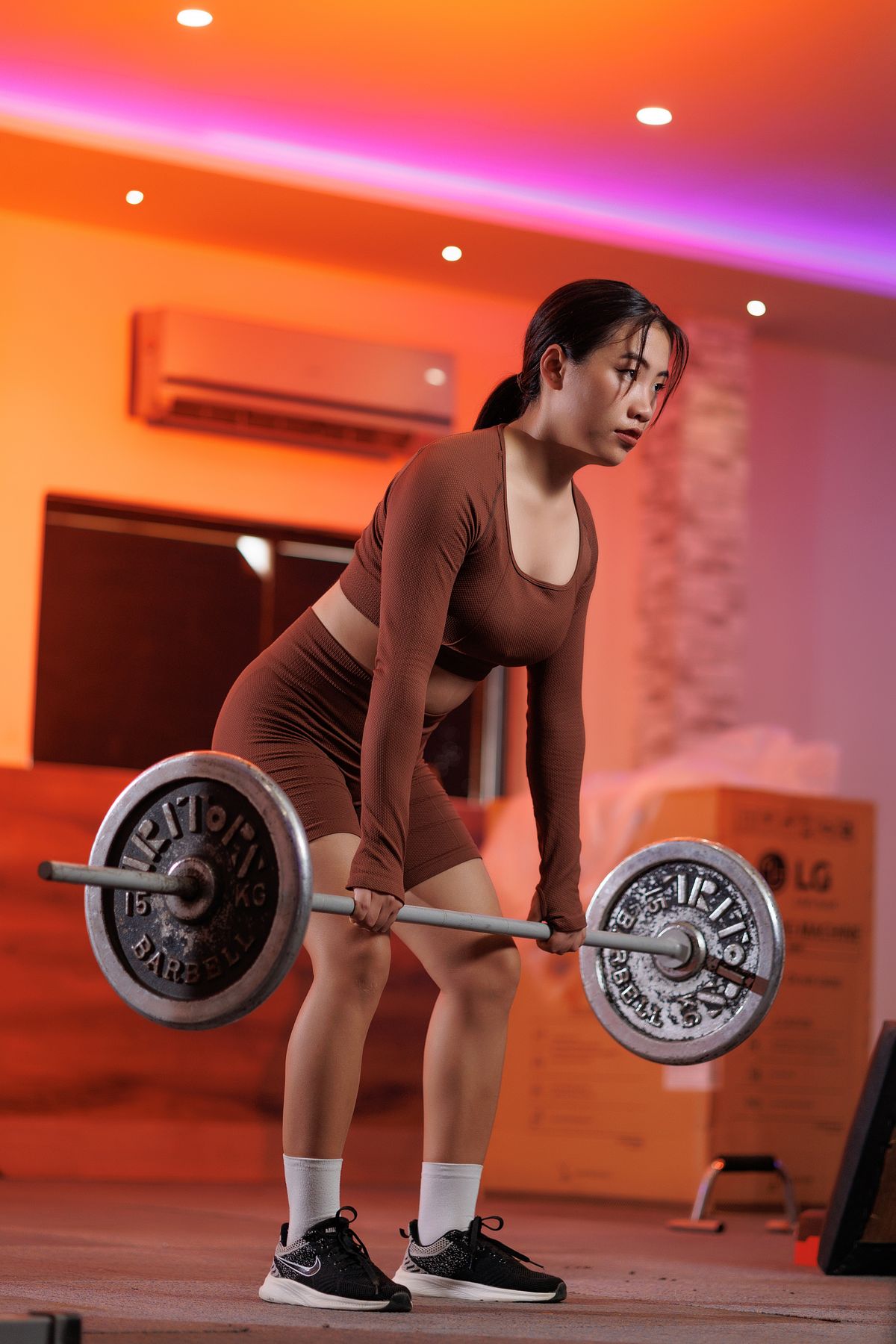
Romanian deadlifts are a practical glute and hamstring exercise. Push the hips back, keep the load close and stop when you reach a strong stretch without losing control of your spine.
Hip Thrusts
Hip thrusts allow direct hip extension and can be loaded progressively. Use a stable setup and control the movement rather than bouncing through the top. A pause can help you learn the position without requiring excessive weight.
Abduction Work
Hip abduction machines and cable abductions can complement heavier lower-body exercises. They are useful for adding direct volume without creating the same systemic fatigue as squats or deadlifts.
Complete Glute Workout
- Hip thrust: 3 sets of 6 to 10.
- Romanian deadlift: 3 sets of 8 to 12.
- Bulgarian split squat: 3 sets of 8 to 12 each leg.
- Leg press with a comfortable glute-focused stance: 2 sets of 10 to 15.
- Hip abduction: 3 sets of 12 to 20.
Sets and Reps
Glutes can be trained effectively across a broad range. Heavy compound movements can use roughly 6 to 12 repetitions, while machine and isolation exercises can use 10 to 20. Start with a manageable weekly workload and increase only when recovery and performance support it.
Progressive Overload
Track repetitions and loads. When you reach the top of your chosen repetition range with good technique, add a small amount of weight. Progress can also come from more controlled repetitions, a better range of motion or an additional set.
How Often to Train Glutes
Two sessions per week can be effective for many people. Splitting the workload allows you to train hard without putting every glute exercise into one session. A lower-body day can emphasise squats and hinges, while another can use hip thrusts, unilateral work and abduction.
Common Glute Training Mistakes
- Doing only squats.
- Using excessive weight on hip thrusts.
- Rushing through split squats.
- Changing exercises every week.
- Ignoring hamstring work.
- Adding more volume without recovering.
Nutrition for Glute Growth
Glute growth requires muscle growth fundamentals. Eat enough protein, enough calories for your goal and enough carbohydrate to support training. A practical protein target for many resistance-trained adults is around 1.6 to 2.2 grams per kilogram per day.
If building muscle is your priority, a modest calorie surplus can help. If fat loss is the goal, you can still train glutes effectively while using a sensible calorie deficit, although recovery may be more difficult.
Technique Before Load
Glute exercises are often marketed around how much weight you can move, but load is only useful when the movement remains controlled. On hip thrusts, keep the ribs and pelvis controlled rather than arching the lower back to create the appearance of a stronger lockout. On split squats, use a stance that lets the working leg do the majority of the work without losing balance.
For Romanian deadlifts, think about pushing the hips backwards while keeping the weight close to your body. You should feel a strong stretch through the hamstrings and glutes without needing to reach the floor.
Put Glutes Where They Matter in the Week
If glutes are a priority, schedule your hardest glute session when you are most recovered. Avoid placing it immediately after a demanding lower-body session. You can also reduce less important lower-body volume so that the priority exercises receive more quality effort.
Training Close to Failure
You do not need to take heavy compound exercises to absolute failure. Leave a small number of good repetitions in reserve and focus on stable technique. Machines and isolation exercises can be pushed harder because they generally require less balance and whole-body coordination.
How to Track Glute Progress
Use several measures rather than relying on one number. Record hip-thrust, squat, split-squat and Romanian deadlift performance. Progress photos can also be useful when taken under similar conditions. Clothing fit and body measurements can provide additional information.
Remember that muscle growth is slow. A programme should be evaluated over months rather than after a handful of workouts.
Glute Training and Women’s Gymwear
Training should come first, but having gymwear that is comfortable and suitable for the session can make getting to the gym easier. If you are refreshing your training wardrobe, The Gym Pro has a range of women’s leggings and gym sets, including two-piece seamless gym sets and high-waisted scrunch leggings.
Final Plan
Use a combination of hip thrusts, hinges, squats or split squats and targeted abduction work. Progress the movements, recover properly and give the programme enough time to produce results.
For a complete structured training and diet system, check out Olympian Sculpt. If you want to track body-weight trends alongside training, see The Gym Pro’s Smart Body Composition Scale.
Related guides
- Leg Day Workout: Quads, Hamstrings, Glutes and Calves
- Upper Lower Split: A 4-Day Workout With Progression
- Sets Per Muscle Per Week: Count and Adjust Your Volume
Further reading: ACSM resistance-training recommendations (2026). The worked programmes here are adjustable examples, not programmes tested in that publication.
This article provides general fitness education and is not individual medical or coaching advice.
SHOP OUR TOP GYM PRODUCTS
Men’s Oversized Gym Pump Cover – Your Standard LYFT Tee
Mr Olympia Hoodie – 2020 Zip-Up Bodybuilding Jacket
Powerhouse Gym T-Shirt – Vintage Oversized Washed Cotton
Mike Mentzer Clothing – Uncrowned King Cotton T-Shirt
Mr Olympia T-Shirt – Joe Weider Oversized Bodybuilding Tee
No Pain No Gain Weightlifting Belt – Heavy-Duty Support
£32.99Original price was: £32.99.£26.99Current price is: £26.99.Samurai Weightlifting Belt – Japanese Calligraphy Gym Belt
Barbell Brigade Pump Cover – Bronze & Red Gym T-Shirt