

What Is a Pump Cover? Meaning, Fit and Why Lifters Wear Them
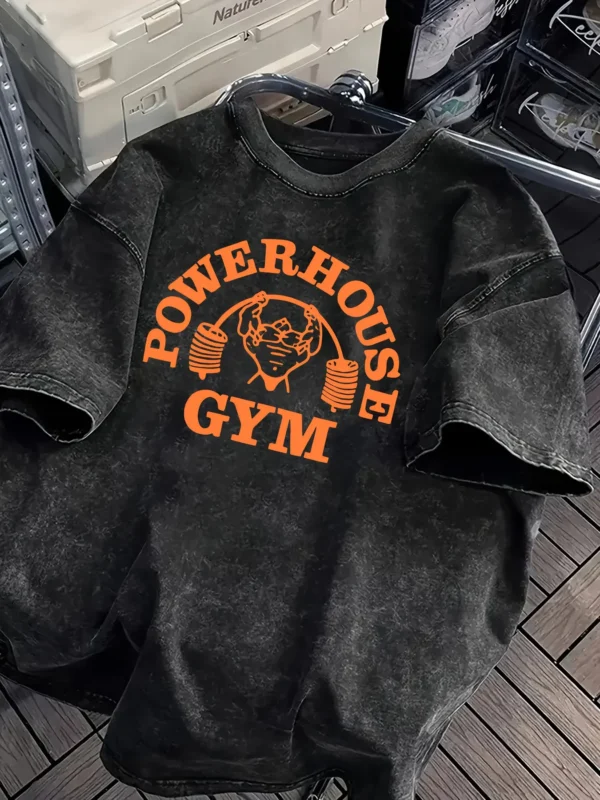
What is a pump cover? In gym culture, a pump cover is a loose-fitting top—usually an oversized T-shirt, sweatshirt or hoodie—worn over normal training clothes. Lifters commonly wear one while travelling to the gym and during the first part of a session, then take it off once they are warm or have developed a visible “pump”. It is gymwear, not specialist performance equipment.
Think of the oversized top you throw on for the journey, keep through the first warm-up sets and take off when you feel ready. That is a pump cover in everyday use. Some lifters like the look; others simply prefer a loose layer before training. There is no rule about when to remove it, and it does not create the pump or make a workout more effective.
What Does “Pump Cover” Mean?
A muscle pump is the temporary increase in muscle size and tightness many people notice during resistance training. Blood and fluid shift towards the working muscles, so arms, shoulders, chest or legs can look fuller for part of the session. A pump cover simply hides that effect until the wearer decides to remove the top.
The term is gym slang. It does not describe a regulated product category or a special fabric technology. A standard oversized T-shirt can be a pump cover if that is how you wear it. Likewise, a garment marketed as a pump cover is still fundamentally a roomy training top.
That matters when shopping. Ignore claims that the top itself creates a better pump. Your training, food, hydration and individual response influence the pump; the garment mainly provides coverage, warmth, comfort and style.
Why Do Lifters Wear Pump Covers?
Comfort before the session
A loose top can feel comfortable on the journey to the gym and during early warm-up sets. It gives the chest, back and shoulders room without clinging to the body. Some lifters also prefer more coverage in a busy gym, especially before they feel settled into the session.
Warmth between sets
An extra layer can help you feel warm in a cold gym, although it is not a substitute for gradually preparing the movements you are about to train. The NHS offers a simple general warm-up routine; for lifting, lighter ramp-up sets for the exercise are also useful.
Bodybuilding style
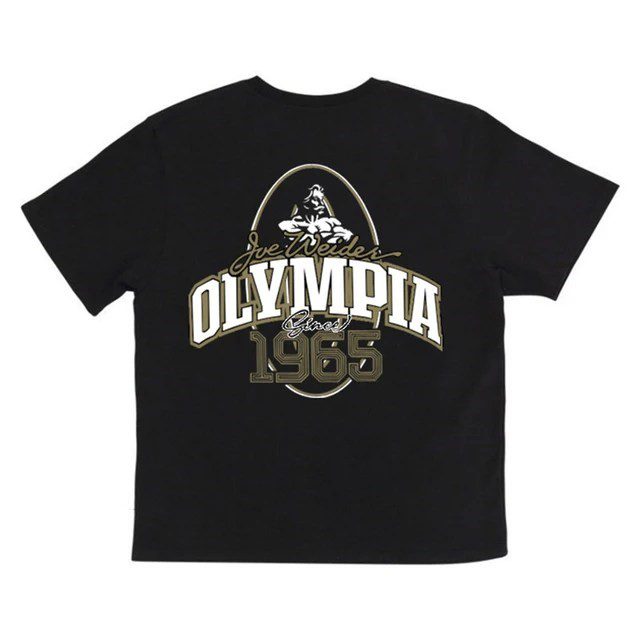
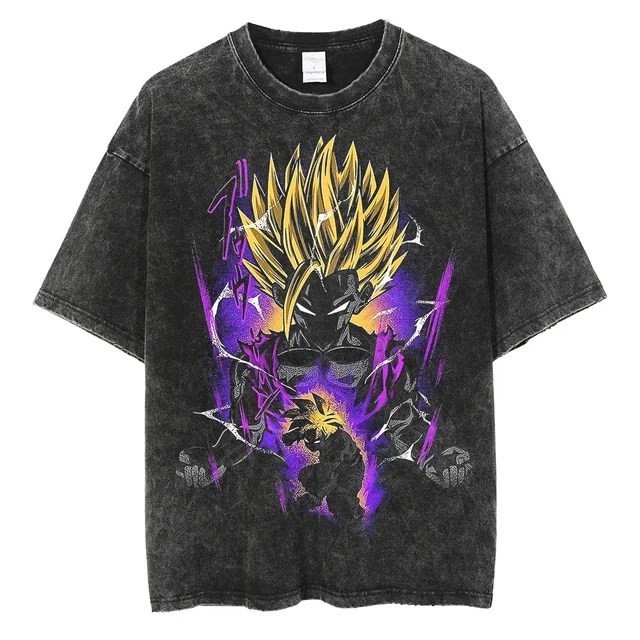
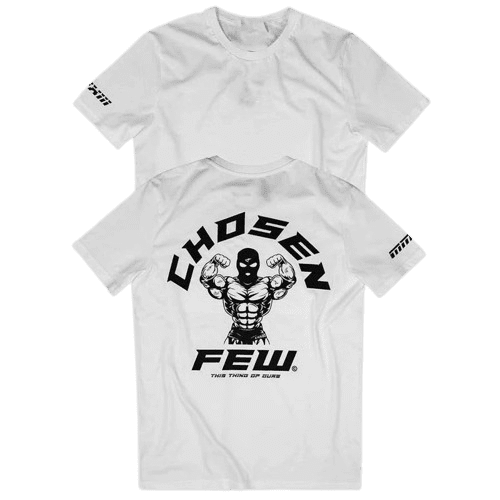
Pump covers are closely associated with bodybuilding, oversized streetwear and old-school gym clothing. Modern versions range from plain heavyweight tees to anime graphics, classic bodybuilding designs and deliberately humorous prints. The appeal is partly ritual: arrive covered, train hard, remove the layer when it becomes hot or restrictive.
Confidence and privacy
Not everyone wants fitted clothing. A pump cover lets you train without feeling that your body is constantly on display. That is a valid reason on its own. Clothing should make it easier to complete the session, not make you self-conscious.
How Should a Pump Cover Fit?
A pump cover should look deliberately oversized rather than accidentally ill-fitting. The shoulder seam will often sit below the natural shoulder, the body will have extra width and the sleeve may reach towards the elbow. You should still be able to see your hands, walk normally and use benches, racks and machines without loose fabric catching.
Check three areas:
- Shoulders and chest: you should be able to reach overhead, press and row without the top pulling tightly across your upper back.
- Length: the hem can sit below the waist, but it should not interfere with your stance or bunch excessively under a lifting belt.
- Sleeves: roomy sleeves create the pump-cover look, but very wide cuffs can brush cables, handles or plates.
Your usual size may already produce the intended cut if the product is designed as oversized. Sizing up again can make it excessively long. Use the garment measurements rather than relying only on S, M or L, because labels vary between manufacturers.
Cotton, Polyester or a Blend?
| Fabric | Useful qualities | Possible drawback |
|---|---|---|
| Cotton | Soft feel, substantial drape, classic T-shirt look | Absorbs sweat and can feel heavy during long sessions |
| Polyester | Light, durable and generally quicker drying | Can retain odour if washing and drying are neglected |
| Cotton blend | Balances a softer hand-feel with shape retention | Performance depends on the exact blend and construction |
For a top you expect to remove after warming up, heavyweight cotton can work well. If you intend to train in it for the whole session, a lighter blend may feel cooler. Fabric weight, measured in GSM, also matters: a higher figure usually means a denser, heavier garment, not automatically a better one.
When Should You Wear or Remove a Pump Cover?
There is no rule. Some people wear one for the entire workout; others remove it after two or three exercises. Let comfort and safety decide. Take the top off if it makes you overheat, restricts movement, hides a bar position you need to check, or becomes caught between your body and equipment.
For squats and deadlifts, very long tops can bunch beneath a belt or obscure your foot position. For pressing, excessive fabric behind the shoulders can change how you settle on the bench. Test the garment during lighter sets before using it around heavy loads.
How to Choose a Good Pump Cover
- Measure a top you already like. Compare pit-to-pit width, body length and sleeve length with the product chart.
- Decide whether you will keep it on. Choose a lighter fabric for full-session wear and a heavier layer if it is mainly for arrival and warm-ups.
- Check movement. Raise your arms, simulate a squat and reach forward. The garment should move with you.
- Look at print placement. A design should remain readable on the intended oversized cut.
- Read the care label. Correct washing helps preserve shape and graphics.
If you like bodybuilding and anime-inspired designs, browse The Gym Pro’s anime pump covers and gym clothes. The aim is not to buy the largest possible shirt; it is to find an oversized shape you can actually train in.
Common Pump-Cover Buying Mistakes
- Automatically sizing up twice: an oversized cut already includes extra room.
- Ignoring garment measurements: two products marked “large” can fit very differently.
- Choosing only by the front graphic: fabric weight, sleeve opening and length affect training comfort.
- Assuming thicker is always better: heavyweight cotton can become hot during high-volume leg or back sessions.
- Treating it as performance equipment: the top does not replace a proper warm-up or sensible programming.
Frequently Asked Questions
Do pump covers make you sweat more?
A heavier extra layer can make you feel hotter and may increase sweating, but sweating more does not mean you are burning substantially more fat. Remove the layer if heat affects comfort or performance.
Is a pump cover just an oversized T-shirt?
Usually, yes. “Pump cover” describes how the garment is styled and used in the gym. Hoodies and sweatshirts can also serve the same purpose.
Should I size up for a pump cover?
Only if the product uses a regular fit and you want more room. If it is already cut oversized, start with the size chart for your normal size.
Can women wear pump covers?
Yes. Pump covers are not gender-specific. Choose according to the measurements and silhouette you prefer.
Can I lift in a pump cover all session?
Yes, provided it does not make you overheat or catch on equipment. Comfort and unrestricted movement matter more than the trend.
A Simple First-Session Pump-Cover Test
Wear the top from the journey through the first two exercises and make three notes: whether it stayed comfortable as your temperature rose, whether the hem or sleeves interfered with equipment, and whether you still liked the shape after it absorbed some moisture. Then wash it exactly as labelled and repeat the test. This reveals more than a mirror photo because it checks movement, heat and care together.
If the garment works except for one exercise, you do not necessarily need another size. Remove it for that movement or choose a different top on sessions where the bar, belt or machine creates the conflict. Gymwear should adapt to the session.
Try two nearby sizes only when the retailer’s return conditions allow it, and keep the tags attached during the movement check. A side-by-side comparison quickly shows whether added width also creates excessive length.
Final Takeaway
A pump cover is a loose gym top with a simple job: provide comfort, coverage and an oversized bodybuilding look. Choose the fit from actual measurements, match the fabric to how long you plan to wear it and make sure it never interferes with movement. The best pump cover is the one you forget about once the working set begins.
SHOP OUR TOP GYM PRODUCTS
Mr Olympia Weightlifting Belt – PU Leather for Squats & Deadlifts
£45.99Original price was: £45.99.£38.99Current price is: £38.99.I’m Afraid of Women Gym Retro T-Shirt – Funny Bodybuilding Tee
Berserk Lever Belt – Anime Powerlifting Gym Belt
£84.99Original price was: £84.99.£69.99Current price is: £69.99.Mr Olympia Hoodie – 2020 Zip-Up Bodybuilding Jacket
Powerhouse Gym Oversized T-Shirt – LYFT Pump Cover
Mr Olympia T-Shirt – Joe Weider Oversized Bodybuilding Tee
Smart Body Composition Scale – Bluetooth LCD Fitness Tracker
£38.99Original price was: £38.99.£29.99Current price is: £29.99.Men’s Oversized Gym Pump Cover – Your Standard LYFT Tee