



Weightlifting Warm-Up: A Simple Set-by-Set Example
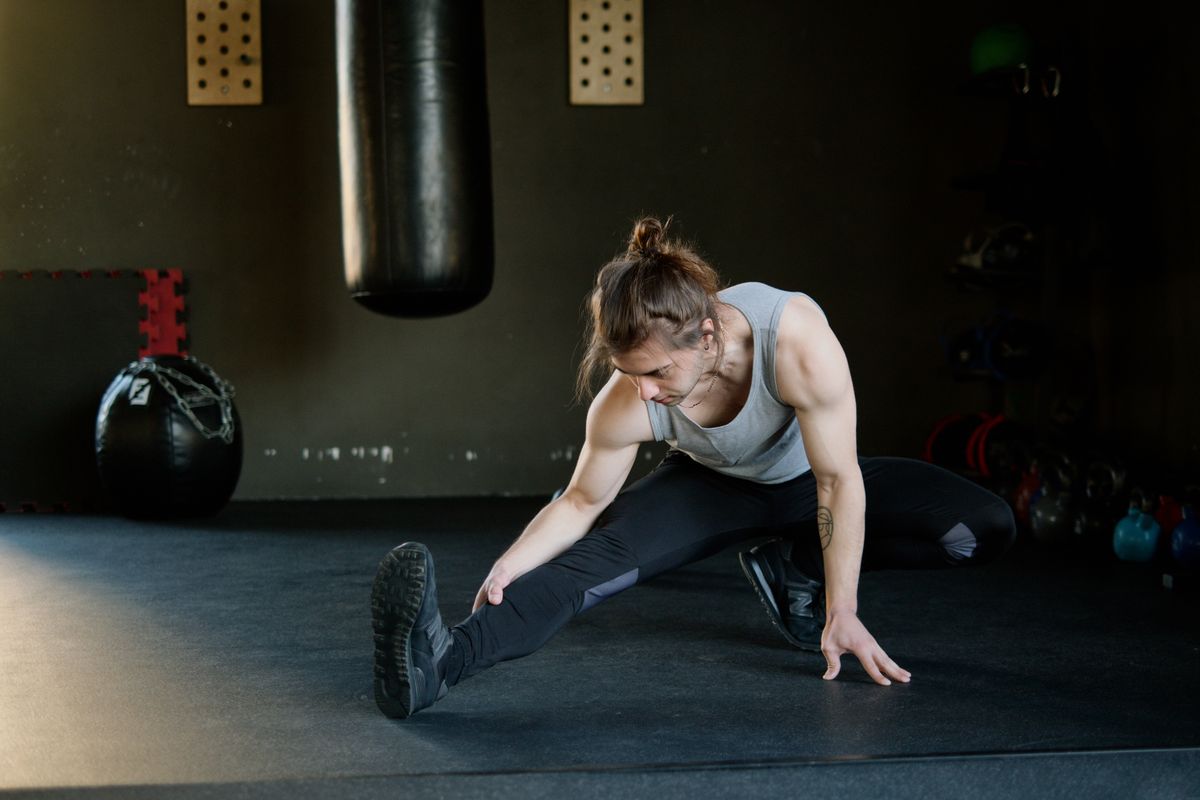
A useful lifting warm-up prepares the movements and loads you will actually use without exhausting you. Start easy, rehearse the movement and add weight in steps while reducing warm-up repetitions.
A good warm-up should prepare you for the workout without tiring you out before the first working set. You do not need a complicated 30-minute routine. Most lifters can use a short general warm-up followed by movement-specific preparation and lighter sets.
Example ramp before an 80 kg working squat
| Stage | Illustrative load and reps | Purpose |
|---|---|---|
| General preparation | A few easy minutes walking or cycling if useful | Feel ready to move |
| Movement rehearsal | Bodyweight or light goblet squats | Check comfortable movement |
| First barbell set | 20 kg × 8 | Practise your setup |
| Middle sets | 40 kg × 5; 60 kg × 3 | Approach the working load |
| Final preparation | 70 kg × 1–2 if useful | Feel a near-working load without fatigue |
The numbers illustrate a sequence, not a percentage rule for everyone. If 80 kg is heavy relative to your ability, you may need a different ramp. If the empty bar is already challenging, begin with a lighter implement. Warm-up sets should feel easier than the working sets.
What to do between the warm-up sets
Adjust the rack, check footwear and confirm that safeties are set. Use short rests while the loads are easy and more time as they become demanding. If a movement feels unexpectedly restricted, try a comfortable mobility drill and repeat an easy set before deciding to load it.
Long stretching routines are not automatically necessary. Select preparation that addresses your actual movement needs. A bench press warm-up should include easy pressing; ten minutes on a treadmill does not rehearse the grip, bar path or shoulder position.
Warm up the next exercise too
Later in the workout you may need fewer ramp sets because you are already active, but a new heavy movement still deserves rehearsal. A squat does not completely prepare a Romanian deadlift. Use one or more light sets to check the new pattern before the working load.
If time is short, remove an optional accessory rather than skipping preparation for a demanding lift. Persistent pain, unusual breathlessness or dizziness during the warm-up is a reason to stop and reassess, not a sign that you should warm up harder.
What a Warm-Up Is For
A warm-up raises body temperature, prepares the movement patterns you are about to use and lets you assess how you feel before heavier work. It is not supposed to create the same fatigue as the workout.
General Warm-Up
Five to ten minutes of walking, cycling or another easy activity can be enough. The intensity should be low to moderate. If you finish the warm-up exhausted, it was too hard.
Mobility
Use mobility work when it helps you perform the exercise. If your squat requires a few dynamic movements to find a comfortable position, include them. You do not need to perform every stretch you have ever seen online.
Ramp-Up Sets
Ramp-up sets are often the most useful part of a weightlifting warm-up. Start with a light load and gradually increase it toward your working weight. Keep the repetitions lower as the load gets heavier so you do not create unnecessary fatigue.
Upper-Body Example
- Five minutes easy cardio.
- Shoulder circles and light movement.
- Empty-bar or very light pressing set.
- Moderate warm-up set.
- One heavier preparation set.
- Begin working sets.
Lower-Body Example
- Five minutes walking or cycling.
- Bodyweight squats or dynamic movement.
- Light squat set.
- Moderate squat set.
- One heavier preparation set if needed.
- Begin working sets.
Warm-Up and Cardio
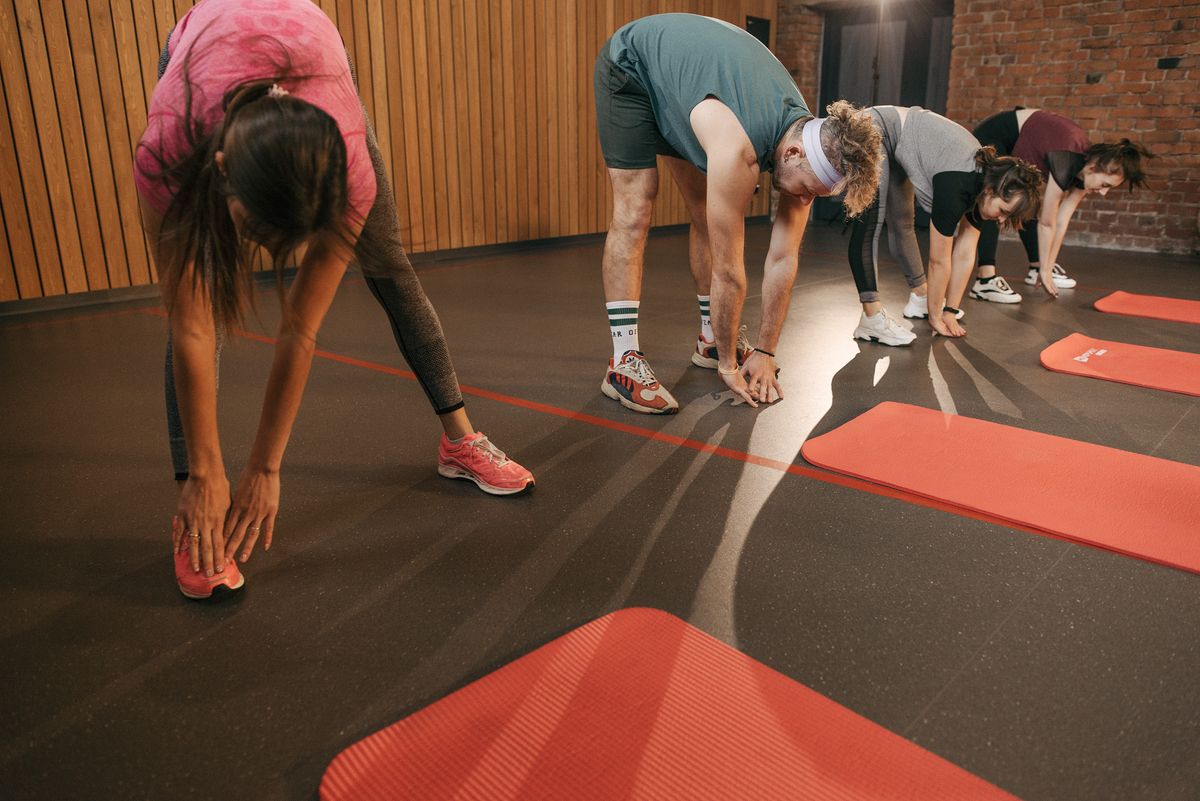
Cardio can be part of a warm-up, but it should not become a conditioning workout before heavy lifting. If cardiovascular fitness is also a goal, schedule dedicated cardio separately where possible.
Common Mistakes
- Warm-ups that are too long.
- Static stretching that makes you feel less prepared immediately before heavy lifting.
- Doing too many high-repetition warm-up sets.
- Jumping directly to working weight.
- Copying someone else’s warm-up without considering your workout.
Simple Routine
Warm up generally, move through the positions you need and perform gradual preparation sets. Keep it short enough that you feel better rather than tired.
For structured workouts where warm-ups and training progression fit into a bigger programme, see Olympian Sculpt. The free 7 Gym Commandments also covers sensible training principles.
Warm-Up in Cold Weather
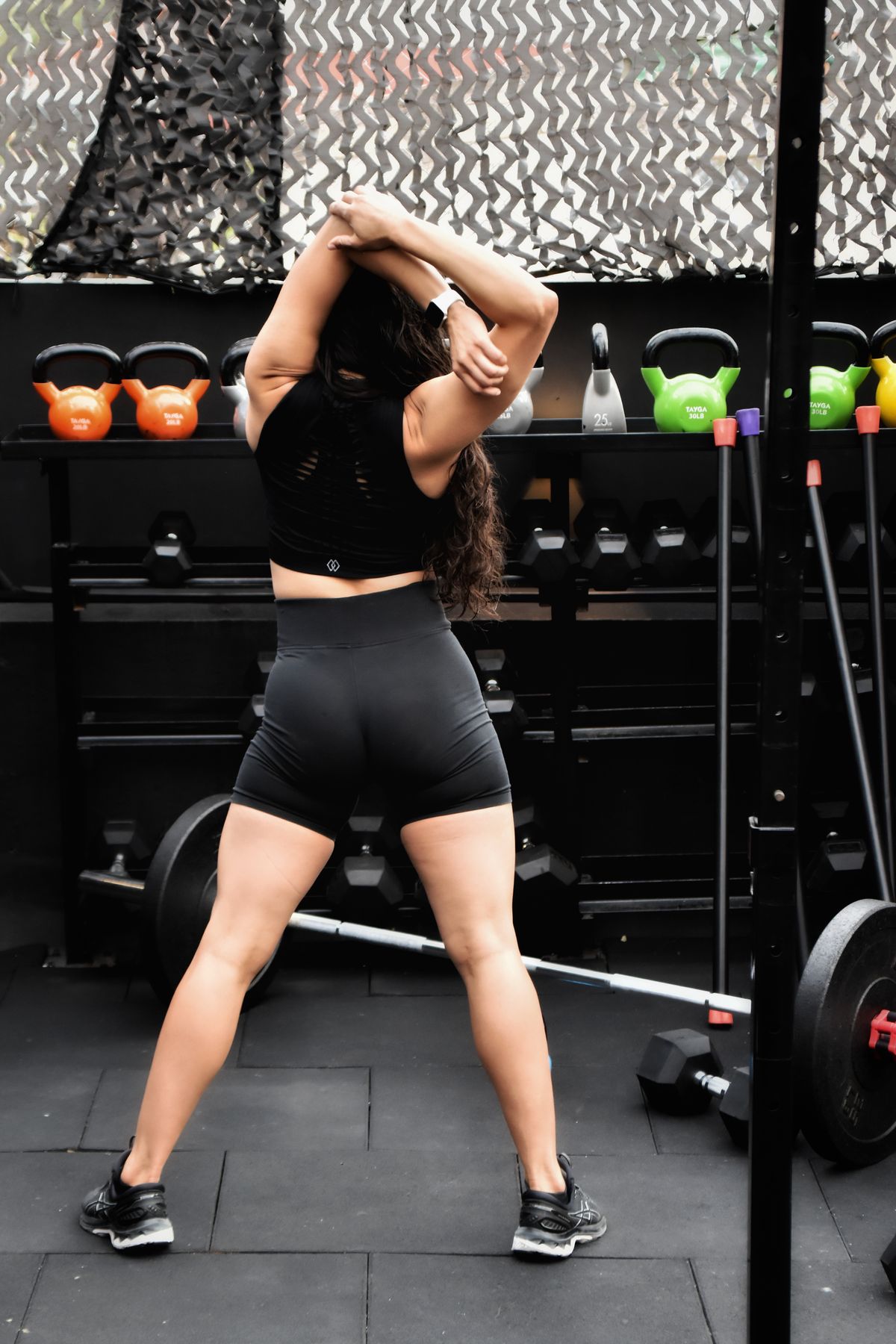
If your gym or training environment is cold, you may need a little more general movement before starting heavy sets. You can add a few minutes of easy cardio and extra preparation sets. You do not need to turn the warm-up into a long session; simply give yourself enough time to feel ready.
Avoid Wasting Energy
A common mistake is performing dozens of high-repetition bodyweight exercises before a heavy leg workout. This can fatigue the muscles you are about to train. Your warm-up should prepare the movement rather than compete with it.
Warm-Up Versus Pain
A warm-up can make normal stiffness feel better, but it should not be used to ignore persistent or worsening pain. If a movement repeatedly hurts, change the exercise or seek appropriate professional advice. Feeling warmer does not mean an injury has been fixed.
Use the Warm-Up to Assess Readiness
Preparation sets provide useful information. If a weight that normally feels easy suddenly feels unusually heavy, you may be carrying fatigue from poor sleep, stress or previous training. You can adjust the session rather than forcing the planned numbers.
Record Useful Observations
You do not need a detailed warm-up diary, but a short note such as “felt unusually stiff” or “working weight moved easily” can explain performance changes later. This is particularly useful during long training blocks.
Related guides
- Squat Depth: Find a Stable, Comfortable Range of Motion
- How to Deadlift: Setup, Technique and Beginner Progression
- Improve Your Bench Press: Setup and a Two-Day Plan
Further reading: ACSM resistance-training recommendations (2026). The worked programmes here are adjustable examples, not programmes tested in that publication.
This article provides general fitness education and is not individual medical advice.
SHOP OUR TOP GYM PRODUCTS
Yujiro Hanma Gym Hoodie – Oversized Anime Pump Cover
£32.99Original price was: £32.99.£23.99Current price is: £23.99.Milk Makes My Tummy Hurt T-Shirt – Funny Gym Pump Cover
Mr Olympia Hoodie – 2020 Zip-Up Bodybuilding Jacket
Mr Olympia Muscle-Fit Sweatshirt – Vintage Bodybuilding Top
£33.99Original price was: £33.99.£26.99Current price is: £26.99.Berserk Gym Belt – Weightlifting Belt for Men & Women
Samurai Weightlifting Belt – Japanese Calligraphy Gym Belt
Mike Mentzer T-Shirt – Heavy Duty Muscle-Fit Cotton Tee
Sam Sulek Certified Women Avoider T-Shirt – Cotton Gym Tee