



Improve Your Bench Press: Setup and a Two-Day Plan
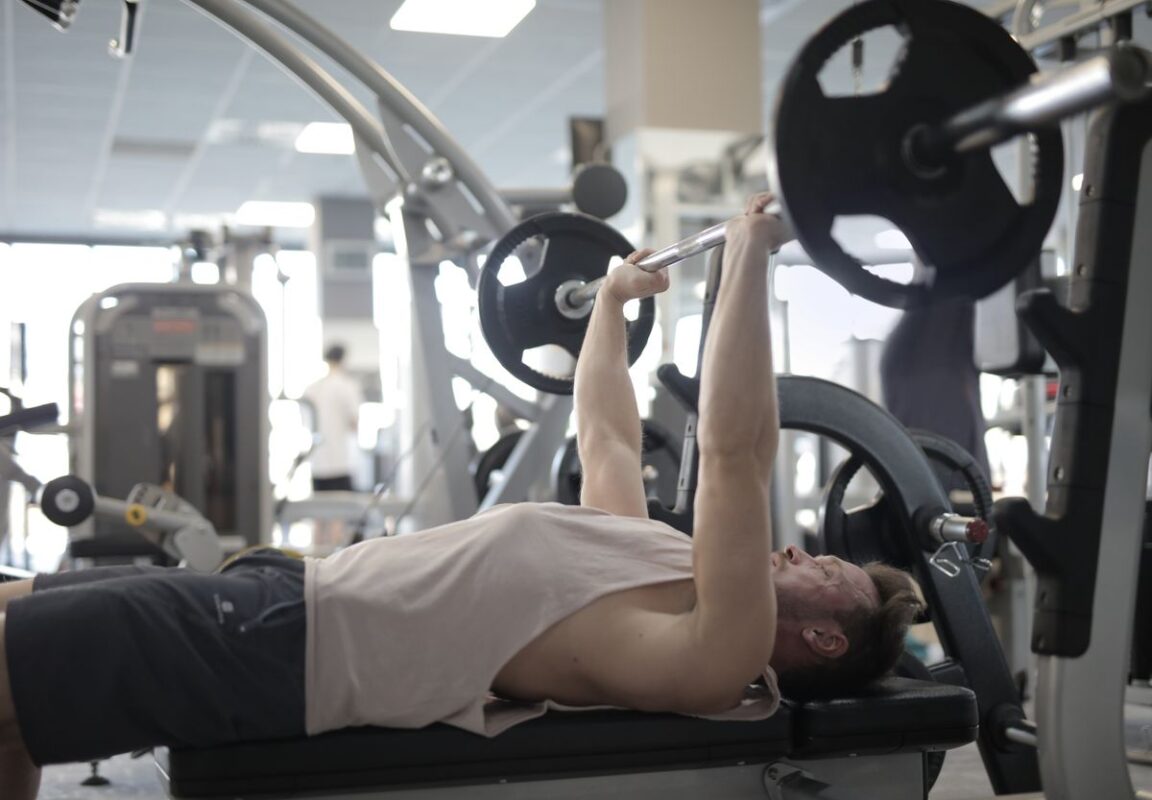
Practise a stable setup, use manageable working sets and progress repetitions before load. Two weekly exposures can organise practice, but the right amount also depends on your other chest, shoulder and triceps work.
A stronger bench press can improve your upper-body strength and provide a useful measure of progress, but adding weight should never come at the expense of repeatable technique. The best approach combines a stable setup, sensible programming and gradual progression.
A two-day bench practice example
| Session | Working sets | Purpose |
|---|---|---|
| Day A | 3 × 5–8 with about 2 reps in reserve | Practise consistent barbell repetitions |
| Day B, later in the week | 2 × 8–10 with a lighter load and 2–3 reps in reserve | Add practice without another maximum-effort day |
| After each session | Record load, reps and setup notes | Compare like with like |
| When all sets reach the top of the range | Use the smallest practical load increase | Rebuild repetitions without changing technique |
Use this instead of some existing chest pressing, not automatically in addition to a high-volume chest programme. Warm up with progressively heavier easy sets before the working load. Set rack safeties correctly and use a competent spotter when needed; agree how a lift-off or failed repetition will be handled.
Fix one setup variable at a time
Mark your grip using the bar’s reference rings, plant your feet and establish a comfortable upper-back position. Keep wrists reasonably stacked over the forearms. Lower under control to a repeatable touch point without bouncing. A small change in grip or setup should be tested with an easy load before heavier sets.
If a repetition stalls, do not diagnose a weak muscle from one attempt. Fatigue, poor rest, a different touch point and an overly ambitious load can all contribute. Review a side-angle recording if permitted and useful, or ask a coach to watch.
When progress pauses
Compare several sessions rather than one number. If both bench sessions and your overhead press decline, investigate total pressing volume and recovery. If only the first heavy set fails, the selected load may simply be too high. Machine pressing or dumbbells can remain useful alternatives when a barbell setup is uncomfortable, although persistent pain needs individual assessment.
Bench Press Setup
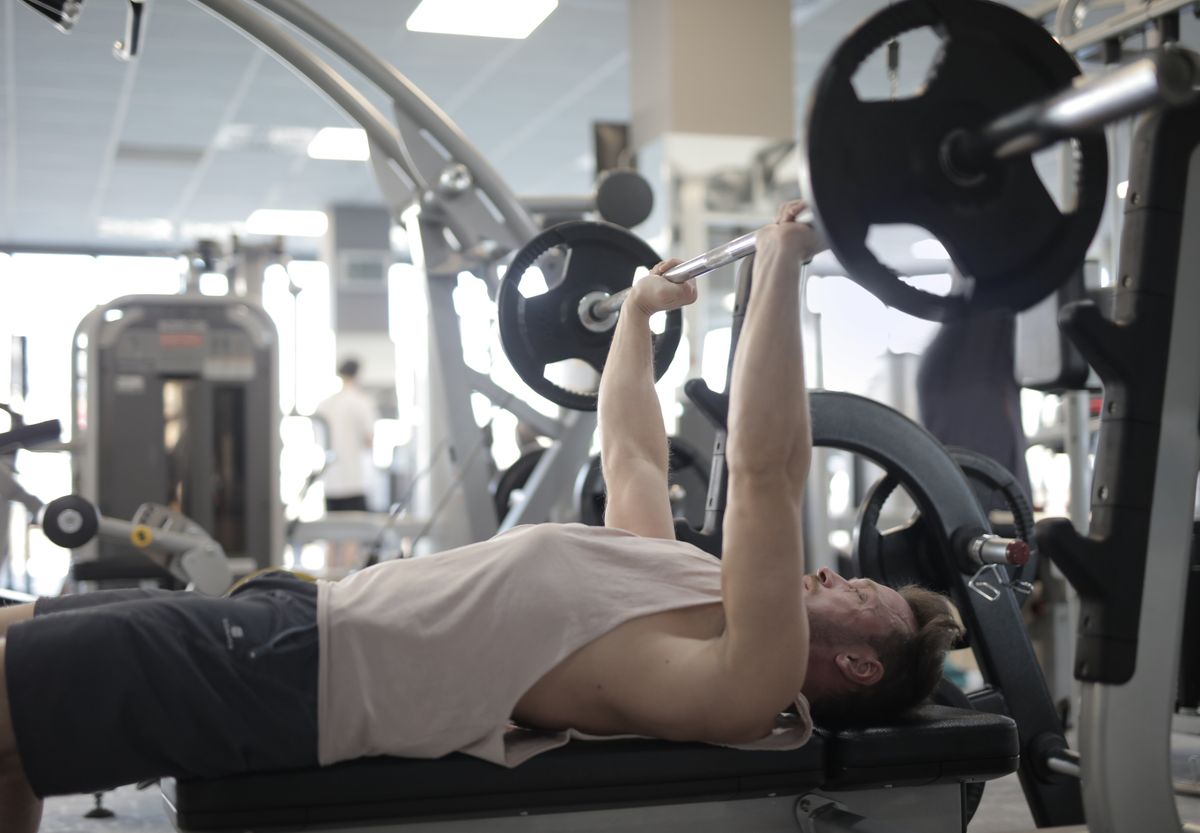
Plant your feet securely, establish a stable upper-back position and keep the bar path repeatable. Your shoulders should feel supported by the bench rather than moving around during the set.
Grip Width
Grip width should allow a comfortable pressing path. A grip that is too wide or narrow can make the movement feel awkward. Choose a position that lets you maintain control and keeps the wrists reasonably stacked over the forearms.
Bar Path
The bar does not need to travel in a perfectly vertical line. A small diagonal path can occur naturally as the bar moves from the chest toward the shoulders. The important point is that the path is consistent and controlled.
Leg Drive
Leg drive can help create a stable base. Push through the floor without lifting your hips from the bench. Think of the legs as helping you stay connected to the bench rather than turning the press into a full-body launch.
Programming
Bench pressing can be trained one to three times per week depending on your programme. Many lifters use a heavier session and a lighter or higher-repetition session. Chest, shoulder and triceps volume elsewhere should also be considered.
How to Progress
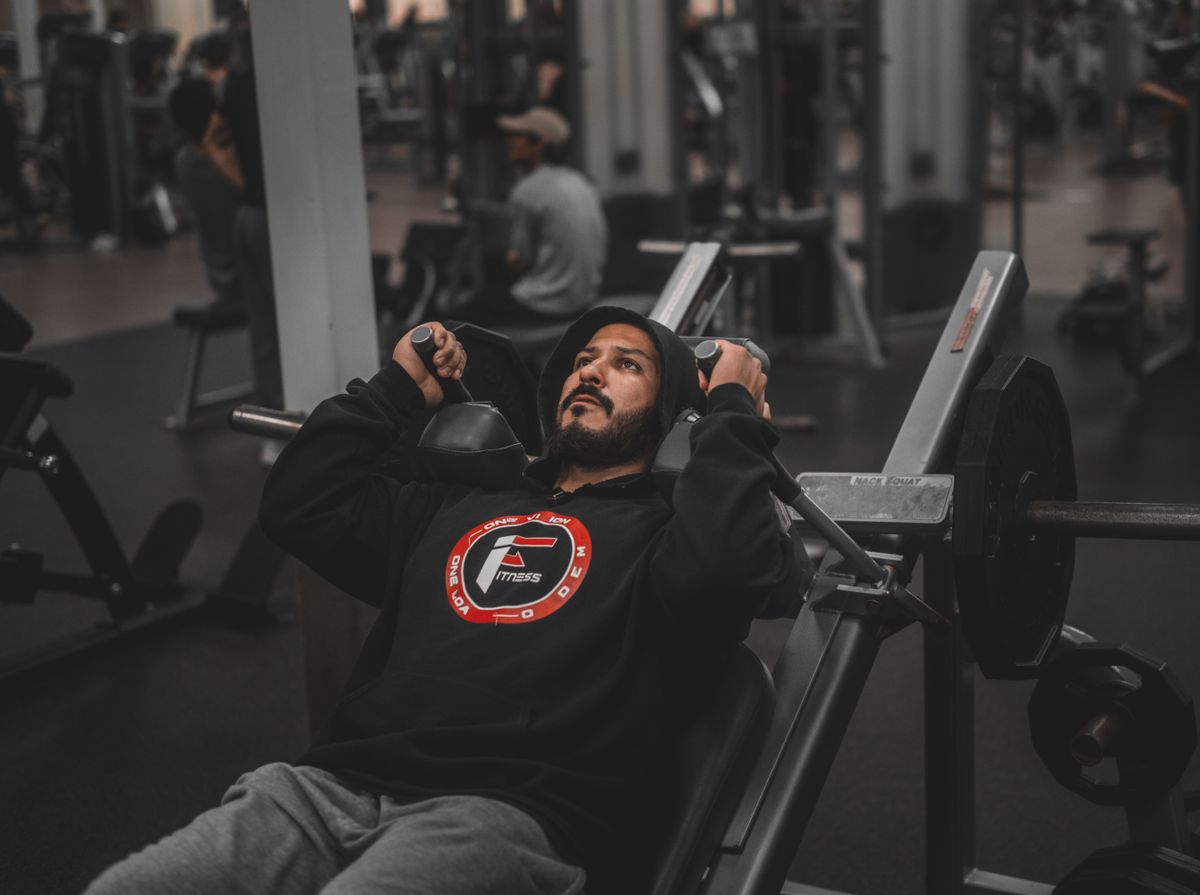
Use a repetition range. If your goal is three sets of 6 to 10, gradually add repetitions before adding a small amount of weight. You do not need to increase the bar every week.
Common Weak Points
If the bar stalls near the chest, review setup and chest strength. If it stalls near lockout, triceps strength may be a limiting factor. However, do not assume a single weak muscle is always responsible. Technique and fatigue can also affect performance.
Bench Press Mistakes
- Bouncing the bar from the chest.
- Lifting the hips excessively.
- Changing grip width constantly.
- Testing maximum strength too often.
- Ignoring recovery.
Nutrition and Recovery
Strength improves more easily when you recover. Eat enough protein and calories for your goal and sleep consistently. A practical protein target for many lifters is around 1.6 to 2.2 grams per kilogram per day.
Warm-Up Sets
Before your working weight, perform several lighter sets. Start with the empty bar or a very light load, then gradually increase the weight while reducing repetitions. The heavier the planned working sets, the more preparation you may need.
Bench Press Frequency
Once per week can build strength, but two exposures can make technique practice easier. A heavy day and a lighter day allow you to practise the movement without testing maximum strength every session.
Useful Assistance Exercises
Incline pressing can build the upper chest, while triceps extensions and close-grip pressing provide additional elbow-extension work. Rows can improve upper-back strength and stability. Keep assistance exercises supportive rather than turning the programme into an endless list.
Managing Fatigue
If your bench numbers fall for several weeks, check sleep, calories and total pressing volume before adding more sets. You may simply be carrying too much fatigue. A temporary reduction in accessory work can sometimes improve the main lift.
When to Test a New Max
Maximum attempts are useful occasionally, but they should not become the main way you measure progress. More repetitions at the same load, a heavier working weight for controlled sets or better technique are all meaningful improvements.
Practical Plan
Use a stable setup, choose a comfortable grip, control the bar, track repetitions and progress gradually. If you want a complete chest-focused workout, see The Gym Pro’s chest workout guide and Olympian Sculpt.
Related guides
- Chest Workout for Muscle Growth: Sets, Reps and Options
- Rest Between Sets: A Practical Guide for Muscle Growth
- Shoulder Workout: Presses, Lateral Raises and Rear Delts
Further reading: ACSM resistance-training recommendations (2026). The worked programmes here are adjustable examples, not programmes tested in that publication.
This article provides general fitness education and is not individual medical or coaching advice.
SHOP OUR TOP GYM PRODUCTS
Barbell Brigade Pump Cover – Bronze & Red Gym T-Shirt
Body Composition Scale with Handheld Sensor & 1.5 m Cable
£124.99Original price was: £124.99.£89.99Current price is: £89.99.Powerhouse Gym T-Shirt – Vintage Oversized Washed Cotton
Powerhouse Gym Cap – Classic Denim Unisex Bodybuilding Hat
£26.99Original price was: £26.99.£15.99Current price is: £15.99.No Pain No Gain Weightlifting Belt – Heavy-Duty Support
£32.99Original price was: £32.99.£26.99Current price is: £26.99.Men’s Oversized Gym Pump Cover – Your Standard LYFT Tee
Yujiro Hanma Gym Hoodie – Oversized Anime Pump Cover
£32.99Original price was: £32.99.£23.99Current price is: £23.99.Men’s Quick-Dry Gym Shorts – Muscle-Fit Training Shorts