



Beginner Gym Workout Plan: Your First 12 Weeks
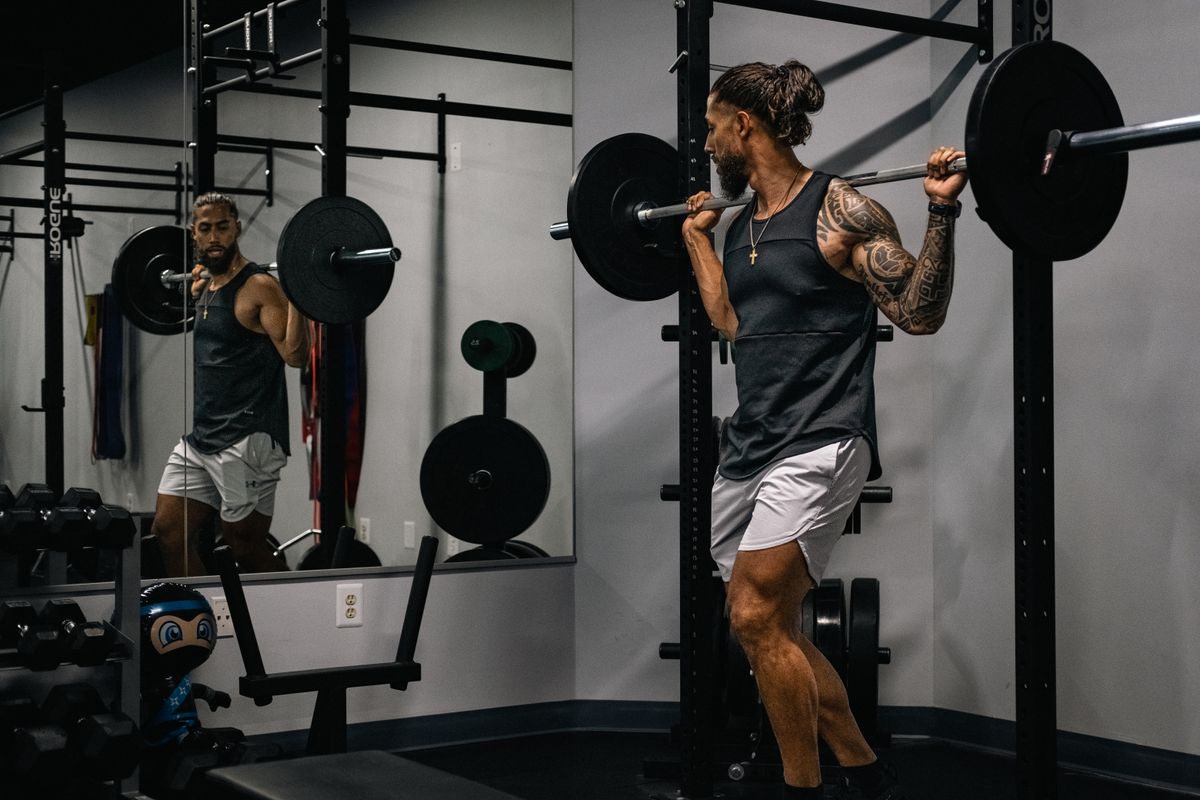
For your first 12 weeks, practise a small set of movements on a schedule you can repeat. Start lighter than you think necessary and increase the challenge as technique and confidence improve.
Starting the gym can be confusing. There are hundreds of exercises, different machines, conflicting advice and people telling you that you need a complicated bodybuilding workout plan from day one. You do not. A beginner needs a simple routine that can be learned, repeated and progressed.
This 12-week guide explains how to structure your first three months of gym training, which exercises to learn, how many days to train, how to choose weights and how to combine training with nutrition and recovery.
Use checkpoints rather than promised results
| Checkpoint | Look for | If it is not happening |
|---|---|---|
| End of week 2 | You can find equipment and repeat the setup | Ask gym staff for an induction or coaching |
| End of week 4 | Most planned sessions are completed | Reduce the schedule to a realistic commitment |
| End of week 8 | Some reps or loads improve at comparable technique | Review effort, consistency and recovery |
| End of week 12 | You know what you can sustain and want to improve | Choose the next block from your actual needs |
These checkpoints assess the process, not a required amount of muscle or weight change. People start with different experience, health and available time. A slower learning phase is not a failed programme.
Prepare for a busy gym
Choose an alternative for each main movement before you arrive. A machine chest press can replace the planned bench press, and a supported row can replace a cable row. Keep the substitute consistent for several sessions where possible; changing every visit makes progress harder to measure.
Ask staff how to adjust unfamiliar equipment. Begin with easy rehearsal sets, then choose a working load that leaves a clear margin. Do not attempt a maximum lift to find your starting point.
Use the related guides below to solve a specific problem as it arises. You do not need to read every training topic before your first session; attendance, comfortable movement and a useful log are the initial priorities.
Before You Start
Your first goal is consistency. Learn how the equipment works, choose exercises you can perform comfortably and avoid comparing yourself with experienced lifters. Start lighter than you think you need and focus on repeatable technique.
How Often Should Beginners Train?
Three full-body workouts per week is an excellent starting point. Monday, Wednesday and Friday works well for many people, but the exact days do not matter. Leave enough time between hard sessions for recovery.
Why Full-Body Training Works
Full-body training lets beginners practise major movements frequently without requiring six gym visits each week. It also makes missed sessions less damaging because every workout includes the main muscle groups.
Best Beginner Exercises
Squat Pattern
Start with a goblet squat, leg press or machine squat if you are still learning. The goal is to learn how to bend the knees and hips while maintaining control.
Pressing
Machine chest press, dumbbell bench press and seated shoulder press are approachable options. Learn to create a stable setup before increasing weight.
Pulling
Lat pulldowns and seated rows teach the basic pulling patterns. Focus on moving through the shoulders and elbows rather than swinging the body.
Hinging
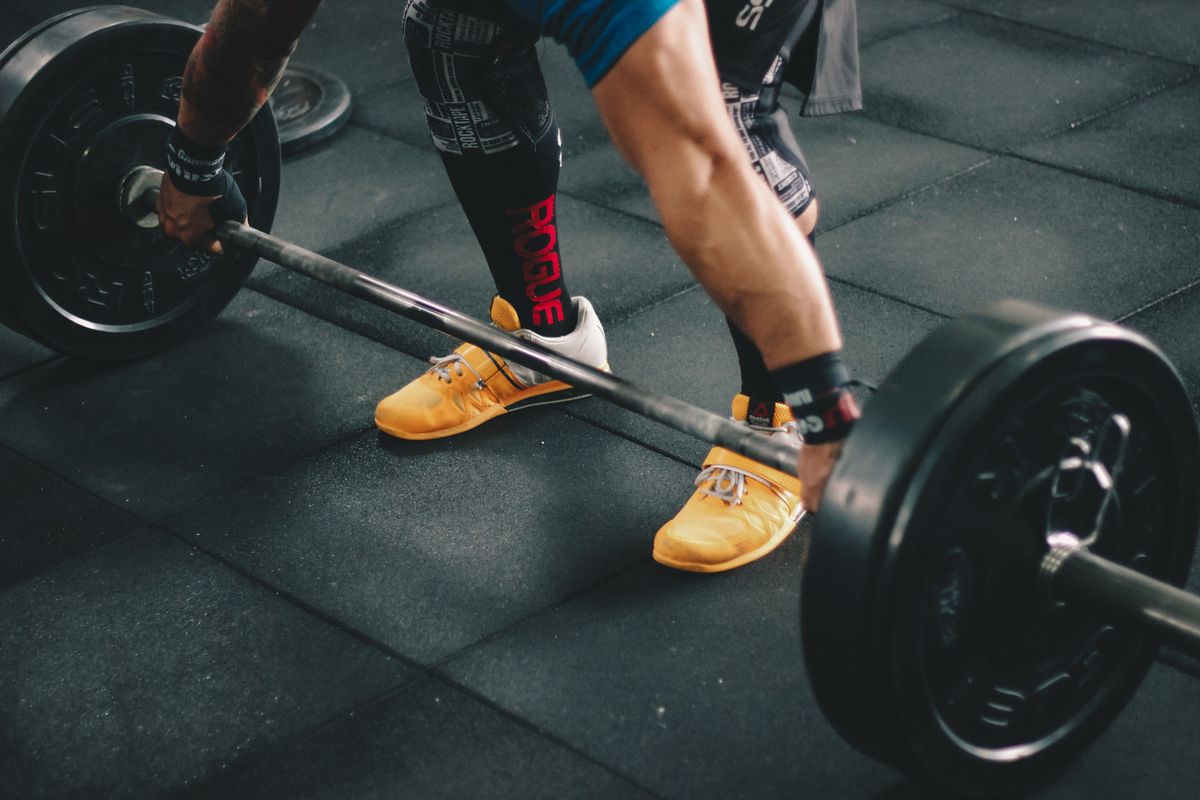
A Romanian deadlift with light dumbbells can teach the hip-hinge pattern. Keep the weight close to your body and stop the movement when your position begins to change.
Beginner Workout Plan
Perform three sets of each main movement where appropriate:
- Leg press or goblet squat: 3 x 8 to 12
- Machine or dumbbell chest press: 3 x 8 to 12
- Lat pulldown: 3 x 8 to 12
- Romanian deadlift: 2 x 8 to 12
- Seated row: 2 x 8 to 12
- Lateral raise: 2 x 12 to 15
- Curl and triceps extension: 2 x 10 to 15 each
You can add calves or abdominal work if time and recovery allow. You do not need dozens of exercises.
Weeks 1 to 4
Spend the first month learning technique and establishing consistency. Do not train to failure on every set. Leave a few good repetitions available and learn what different effort levels feel like.
Weeks 5 to 8
Begin progressive overload. When you reach the upper end of your repetition range with good technique, increase the load slightly. Keep the exercise selection stable so you can measure improvement.
Weeks 9 to 12
By now you should have a training log. Continue progressing the main lifts and make small adjustments only when necessary. If a movement causes persistent discomfort, choose a suitable alternative rather than forcing it.
How to Progress Weights
Suppose you use 20 kg dumbbells for three sets of 8 repetitions. Over several workouts you may reach 10, 10 and 10, then 12, 11 and 10. Once you can reach the top of your target range, move to the next practical weight and build the repetitions again.
Beginner Diet for Muscle Gain
Eat regular meals containing protein, carbohydrates, vegetables or fruit and dietary fats. A useful protein target for many lifters is around 1.6 to 2.2 grams per kilogram of body weight per day. If gaining muscle is the priority, a small calorie surplus can support gradual weight gain.
If Fat Loss Is Your Goal
Keep resistance training and create a moderate calorie deficit. Do not remove all carbohydrates or try to lose weight as fast as possible. A slower approach is often easier to sustain while maintaining gym performance.
Rest and Recovery
Sleep consistently, take rest days and avoid adding extra workouts simply because you are motivated. Beginners often progress quickly, so you do not need extreme volume.
Beginner Gym Mistakes
- Copying an advanced lifter’s programme.
- Changing exercises every workout.
- Using weight that is too heavy.
- Skipping legs.
- Ignoring nutrition and sleep.
- Expecting dramatic changes after two weeks.
- Training hard without recording anything.
Your 12-Week Checklist
Train three times per week, learn the main movement patterns, track your lifts, add weight gradually, eat enough protein and recover properly. If you do those things consistently for 12 weeks, you will have a much stronger foundation for more advanced bodybuilding training.
When you are ready for a more structured programme, The Gym Pro’s Olympian Sculpt bodybuilding blueprint is designed around structured training and nutrition.
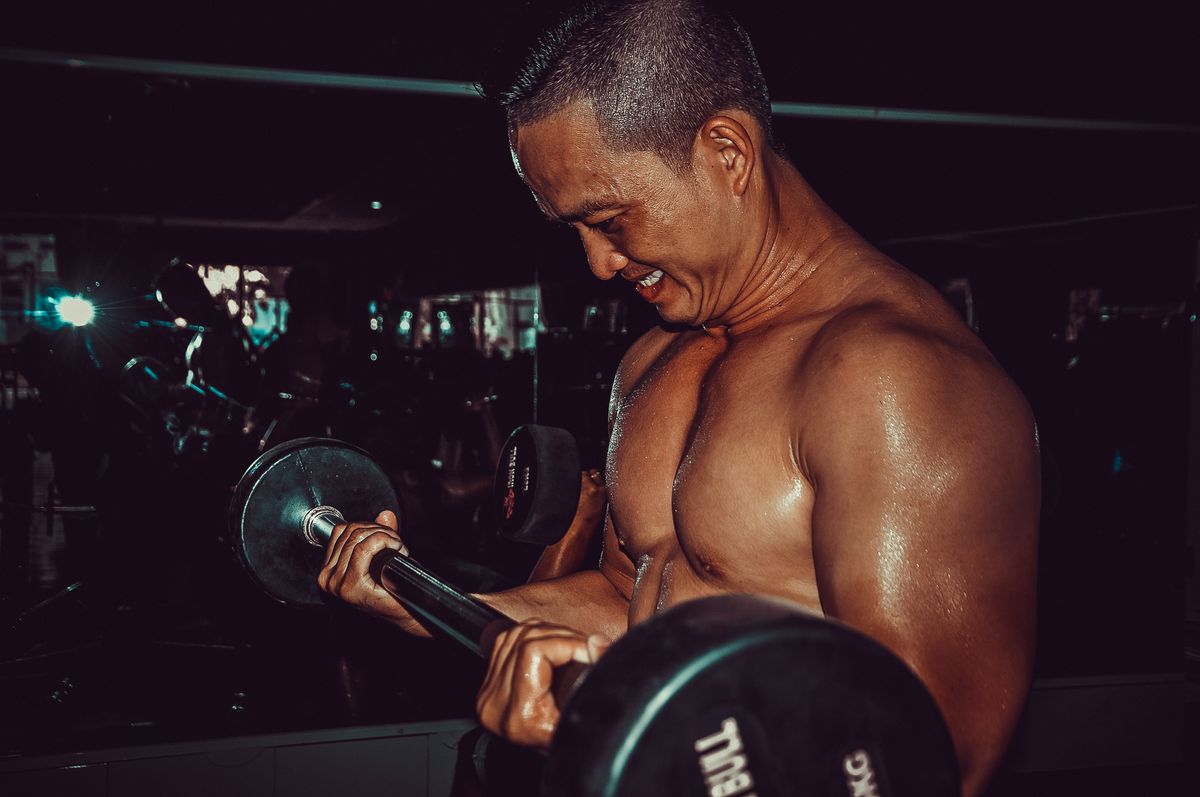
How to Learn Technique
Beginners do not need perfect technique on the first day. They need a repeatable movement that becomes more comfortable as they practise. Start with light loads and use the first few weeks to learn how each exercise should feel. If your gym has qualified staff, asking for help with equipment setup can also save time and reduce uncertainty.
Film a set occasionally if you are comfortable doing so. A side or three-quarter view can help you notice whether your range of motion and body position are changing as the weight increases. Do not let filming become a distraction from training. The main purpose of your first 12 weeks is to build skill and consistency.
How Hard Should Beginners Train?
You do not need to take every set to failure. A useful starting point is to finish most sets while feeling that you could have performed a few more controlled repetitions. As your confidence improves, you can gradually train some exercises closer to failure. Isolation exercises such as curls, lateral raises and machine work are often easier places to push effort than technically demanding compound lifts.
The right effort level is one that challenges the muscles without turning every session into a test of survival. If your technique falls apart halfway through a set, the weight is probably too heavy for your current ability.
Rest Between Sets
Rest periods matter because they affect how much quality work you can perform. Beginners sometimes rush because they believe shorter rest means a better workout. In reality, taking enough time to recover between challenging sets can help you maintain repetitions and technique.
For larger compound exercises, two or three minutes can be perfectly reasonable. Smaller isolation movements may need less. Use your performance as a guide. If you are still breathing heavily and cannot perform the next set properly, take more time.
Warm-Up Without Wasting Energy
A short general warm-up followed by a few lighter sets of your first exercises is normally enough. You do not need a 30-minute stretching routine before every workout. The warm-up should prepare you for the work that follows, not make you tired before the working sets begin.
As you become more experienced, your warm-up can become more specific. A heavier squat may require several gradual warm-up sets, while a light machine exercise may need only one. Learn what makes you feel ready and keep the process efficient.
Track More Than Weight
Your training log should record more than the number on the dumbbell. Note repetitions, sets and useful observations about technique or effort. Over twelve weeks, these records show whether you are genuinely becoming stronger. They also make it easier to identify exercises that consistently feel uncomfortable or fail to progress.
Progress can mean more repetitions at the same weight, a small increase in load, improved range of motion or better control. Do not assume that every workout must produce a personal record. The goal is a positive trend over many sessions.
What Results Should You Expect?
Beginners can often make noticeable improvements in strength during the first three months because they are learning new movements and adapting quickly. Visual changes vary from person to person and depend on starting body composition, nutrition, sleep, genetics and training consistency.
Avoid comparing your twelve-week progress with someone who has trained for years. Your first milestone is becoming the person who reliably attends the gym, performs the exercises correctly and records the work. Once that foundation is established, more advanced bodybuilding training becomes much easier to manage.
After Your First 12 Weeks
At the end of the programme, review your training log rather than automatically replacing everything. Keep exercises that progressed well, adjust movements that did not suit you and decide whether you need more volume or a different training split. You may be ready for an upper-lower routine, a more structured bodybuilding programme or simply another cycle of full-body training.
The best next step is the one that keeps you progressing while remaining realistic. There is no need to graduate to an unnecessarily complicated routine simply because you are no longer a complete beginner.
Related guides
- Full Body Workout 3 Days a Week: Plan and Progression
- Weightlifting Warm-Up: A Simple Set-by-Set Example
- RIR and RPE Explained: A Practical Effort Scale
- Protein for Muscle Growth: Daily Targets and Meal Examples
- How to Stay Consistent at the Gym: A Busy-Week Plan
- Best Gym Clothes for Weightlifting: Fit and Fabric Guide
- Gym Etiquette: A Practical Guide for Busy Weight Rooms
- Return to the Gym After a Long Break: A Four-Week Plan
Further reading: ACSM resistance-training recommendations (2026). The worked programmes here are adjustable examples, not programmes tested in that publication.
This article is general fitness information and is not individual medical or coaching advice.
If you are new to training, read our beginner guide to building muscle for a simple way to combine your first gym plan with food and recovery. For belt-specific questions, see when beginners should consider a lifting belt.
SHOP OUR TOP GYM PRODUCTS
Powerhouse Gym Oversized T-Shirt – LYFT Pump Cover
Men’s Quick-Dry Gym Shorts – Muscle-Fit Training Shorts
Dorian Yates Bodybuilding Oversized Gym T-Shirt
Samurai Weightlifting Belt – Japanese Calligraphy Gym Belt
Kevin Levrone Uncrowned T-Shirt – Cotton Gym Pump Cover
Powerhouse Gym T-Shirt – Vintage Oversized Washed Cotton
Heavy Washed Gothic Hoodie – Oversized Y2K Streetwear
Joe Weider 1965 Mr Olympia T-Shirt – Oversized Pump Cover
£30.99Original price was: £30.99.£21.99Current price is: £21.99.