



Lose Fat While Preserving Muscle: Training and Diet Guide

To support muscle retention during fat loss, keep resistance training, eat adequate protein and avoid an unnecessarily aggressive deficit. No plan can guarantee that every kilogram lost will be fat.
Losing body fat while keeping as much muscle as possible requires more than simply eating less. The most reliable approach combines a sensible calorie deficit with resistance training, sufficient protein, recovery and patience. Crash diets can produce fast changes on the scales, but they can also make training performance and adherence much harder.
This guide explains how to set up a fat-loss phase, how much protein to eat, how to train in a calorie deficit, what cardio to use and how to recognise whether your plan needs adjusting.
Review a suspected fat-loss plateau
| Check | Question | Useful response |
|---|---|---|
| Time window | Is this one weigh-in or several comparable weekly averages? | Wait for a clearer trend if data are noisy |
| Consistency | Have portions, snacks or weekends changed? | Restore a realistic, repeatable pattern |
| Training | Are familiar lifts broadly maintained? | Keep the resistance stimulus; adjust excessive fatigue |
| Wellbeing | Are hunger, sleep and energy becoming difficult? | Reduce the aggressiveness or consider maintenance |
| Next adjustment | Is a change actually justified? | Change one manageable food or activity habit |
A higher scale reading after salty food, a harder workout or a higher-carbohydrate day does not prove the diet stopped working. Consider menstrual-cycle effects and other normal fluctuations when comparing short periods.
Keep the training signal
You may need less accessory volume when recovery is limited, but do not automatically replace all lifting with very light circuits. Use familiar exercises and track performance at similar technique and effort. Some day-to-day variation is normal and does not diagnose muscle loss.
When the diet ends, practise maintaining the result instead of immediately abandoning every routine. Increase food deliberately towards a sustainable maintenance pattern and continue strength training. If weight-focused tracking becomes distressing or restrictive eating escalates, stop and seek appropriate support.
How Fat Loss Works
Body fat decreases when, over time, your body uses more energy than you consume. The deficit does not need to be extreme. In fact, a moderate deficit is often easier to sustain and more compatible with strength training.
Scale weight can change because of water, glycogen, food volume and other factors, so do not interpret every daily change as fat gain or loss.
Creating a Calorie Deficit
Start with your normal intake and reduce calories moderately rather than cutting food dramatically. A common starting point is a deficit of roughly 300 to 500 calories per day, then adjust according to your real-world progress.
There is no universal calorie number. Body size, activity, age and training volume all matter. Use your average body weight over several weeks to judge whether the chosen intake is working.
How Fast Should You Lose Weight?
A gradual rate is usually more practical for preserving training performance. A rough target of around 0.5 to 1 percent of body weight per week is often used, with the lower end being particularly sensible for leaner people or those prioritising muscle retention.
Protein for Muscle Retention
Protein becomes especially important during a calorie deficit. A practical target for many resistance-trained people is around 1.6 to 2.2 grams per kilogram of body weight per day. Higher protein intake can also help with satiety, making a diet easier to follow.
Why Weight Training Matters
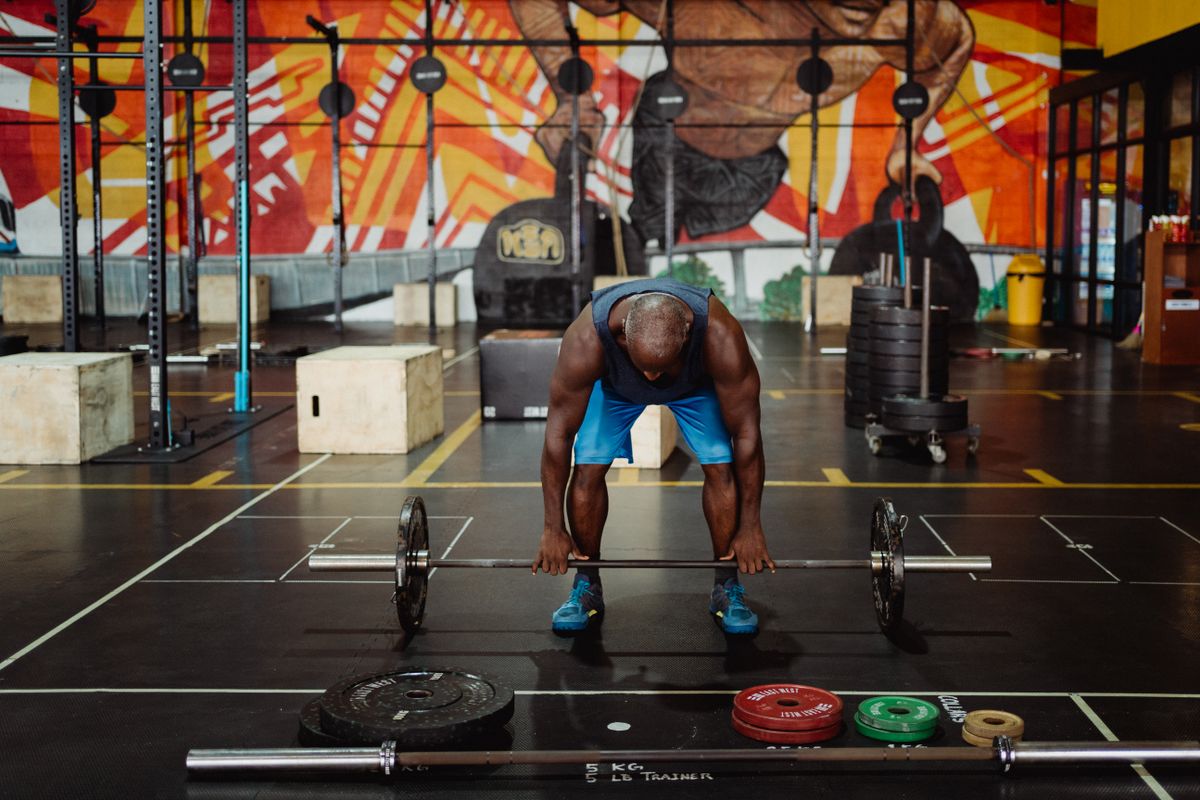
Keep resistance training in your programme. Your body has little reason to maintain all of its muscle if training demand falls substantially during a diet. You may not increase every lift while losing weight, but maintaining strength as much as possible is a useful goal.
Use a structured bodybuilding workout plan and keep your main exercises. Reduce volume slightly if recovery becomes difficult rather than abandoning weight training altogether.
Cardio During Fat Loss
Walking and Daily Activity
Walking is often an underrated fat-loss tool. It burns energy without creating the same recovery demand as repeated high-intensity sessions. Increasing daily steps can therefore help create a deficit while keeping gym performance manageable.
Conditioning Sessions
Running, cycling, rowing and other cardio can be useful. Choose activities you enjoy and can recover from. More cardio is not automatically better if it makes your legs constantly tired before your weightlifting sessions.

Building a Fat-Loss Diet
Base meals around lean protein, vegetables, fruit, potatoes, rice, oats, whole grains and other filling foods. You can still include foods you enjoy. A diet that is technically perfect but impossible to follow is not a useful diet.
High-fibre foods and adequate fluids can help with fullness. Measure calorie-dense foods such as oils, sauces, nuts and snacks if your progress has stalled and you are unsure where calories are coming from.
Managing Hunger
Eat regular meals, prioritise protein and vegetables, and keep lower-calorie foods available when hunger is high. Sleep also affects appetite and food choices. If hunger becomes extreme every day, the calorie deficit may simply be too aggressive.
Tracking Progress
Use several measurements: average weekly body weight, waist measurement, gym performance and progress photos if you are comfortable doing so. Do not make a major dietary change based on two days of scale data.
Sleep and Recovery
Sleep is part of the fat-loss strategy because it supports training, recovery and appetite management. Maintain a consistent sleep routine and schedule rest days. A successful diet should leave you capable of training rather than constantly exhausted.
Common Fat-Loss Mistakes
- Cutting calories too aggressively.
- Stopping weight training.
- Doing excessive cardio.
- Eating too little protein.
- Changing calories every few days.
- Judging progress from one weigh-in.
- Trying to remove every enjoyable food.
Example Weekly Structure
You might use three or four resistance-training sessions, daily walking and two moderate cardio sessions. Keep at least one easier day. The exact schedule should fit your work, sleep and lifestyle rather than forcing your life around a fitness plan.
Start With a Sustainable Deficit
A calorie deficit works because your body needs to draw on stored energy when food intake is lower than energy expenditure. That does not mean the largest possible deficit is the best choice. A very aggressive diet can increase hunger, reduce training performance and make it harder to maintain your normal routine.
A moderate starting deficit gives you room to adjust. Track your average body weight for a few weeks rather than changing calories after every fluctuation. If your average is falling at an appropriate rate and gym performance is reasonably stable, there may be no reason to change anything.
Make Protein a Priority
Protein is especially useful during a fat-loss phase because it supports muscle maintenance and can help with fullness. A practical target for many resistance-trained people is around 1.6 to 2.2 grams per kilogram of body weight per day. Spread protein across several meals so that the target is manageable rather than trying to consume most of it at dinner.
Good choices include lean meat, fish, eggs, Greek yoghurt, cottage cheese, milk, tofu, beans and other protein-rich foods. Protein powder can be useful for convenience, but it is not required if normal food already meets your needs.
Keep Your Important Lifts
Resistance training tells your body that muscle is still required. During a cut, you may not set personal records every week, but keeping the main movements in your programme helps preserve the training stimulus. Focus on good technique and try to maintain strength where possible.
If recovery is poor, reducing a few accessory sets can be more sensible than removing weight training altogether. For example, you might keep your main squat, press, row and hinge movements while reducing isolation volume. The exact adjustment depends on how much you were doing before the diet.
Use Cardio Strategically
Cardio is a tool for improving fitness and increasing energy expenditure. It does not have to dominate your fat-loss plan. Walking is particularly useful because it can increase daily activity without the same recovery cost as repeated high-intensity sessions.
If you enjoy running, cycling or rowing, include them in a way that fits around your lifting. Avoid adding large amounts of cardio simply because the scale has stalled for a few days. First check your average weight, food intake and activity over a longer period.
Managing Hunger Without Constant Willpower
Choose foods that provide plenty of volume for their calories. Vegetables, fruit, potatoes, lean proteins, soups and high-fibre foods can make meals more satisfying. Drinking enough fluid and maintaining a consistent meal pattern can also help.
It is reasonable to include foods you enjoy. Completely banning favourite foods can make a diet harder to maintain. Portioning treats in advance can allow flexibility without turning one meal into an uncontrolled day of eating.
What to Do When Fat Loss Stalls
A genuine plateau should be based on several weeks of data rather than a few days. Check your average body weight, waist measurement, step count and food intake. Small changes in portions, snacks, sauces or weekend meals can sometimes explain why progress has slowed.
If your average weight has genuinely stopped falling, make one modest adjustment. You could slightly reduce calories or increase daily walking. Avoid making several major changes at once because you will not know which change produced the result.
Signs You Are Preserving Muscle
Maintaining or slowly improving performance on key exercises is encouraging, although some strength loss can occur during a long or aggressive diet. Measurements, photographs and how your clothes fit can provide additional information. Do not judge muscle retention from scale weight alone because water and glycogen can change substantially.
Sleep and recovery also matter. If you are constantly exhausted, hungry and unable to train, the deficit may be too large or the total workload may be too high. Fat loss should be challenging, but it should remain compatible with normal life.
Planning the End of the Diet
A successful cut should have an endpoint rather than becoming an indefinite restriction. Once you reach your intended body-composition goal, gradually return to a sustainable maintenance intake and continue resistance training. Some people may then choose a period of maintenance before deciding whether to build muscle again.
The long-term objective is not simply to lose weight. It is to build habits that let you maintain the result while continuing to train, eat well and enjoy normal life.
Final Takeaways
Lose body fat with a moderate calorie deficit, keep lifting, eat enough protein, stay active and recover properly. The slower and more sustainable the process, the easier it is to maintain your muscle and return to normal eating afterwards.
For structured training support, see The Gym Pro’s Olympian Sculpt bodybuilding blueprint.
Related guides
- Build a Lean Physique: Training, Food and Realistic Goals
- Protein for Muscle Growth: Daily Targets and Meal Examples
- Smart Scale Guide: Weight Trends and Body-Fat Limits
Further reading: Research on protein intake and resistance training. Meal examples are practical illustrations, not individually prescribed diets.
This article is general fitness information and does not replace individual medical or nutritional advice.
SHOP OUR TOP GYM PRODUCTS
Nasser El Sonbaty Shirt – Uncrowned Mr Olympia T-Shirt
Smart Body Composition Scale – Bluetooth LCD Fitness Tracker
£38.99Original price was: £38.99.£29.99Current price is: £29.99.Mike Mentzer T-Shirt – Heavy Duty Muscle-Fit Cotton Tee
Joe Weider 1965 Mr Olympia T-Shirt – Oversized Pump Cover
£30.99Original price was: £30.99.£21.99Current price is: £21.99.Mr Olympia T-Shirt – Joe Weider Oversized Bodybuilding Tee
Milk Makes My Tummy Hurt T-Shirt – Funny Gym Pump Cover
Heavy Washed Gothic Hoodie – Oversized Y2K Streetwear
Tren and Jerry’s T-Shirt – Funny Gym Pump Cover