



Leg Day Workout: Quads, Hamstrings, Glutes and Calves
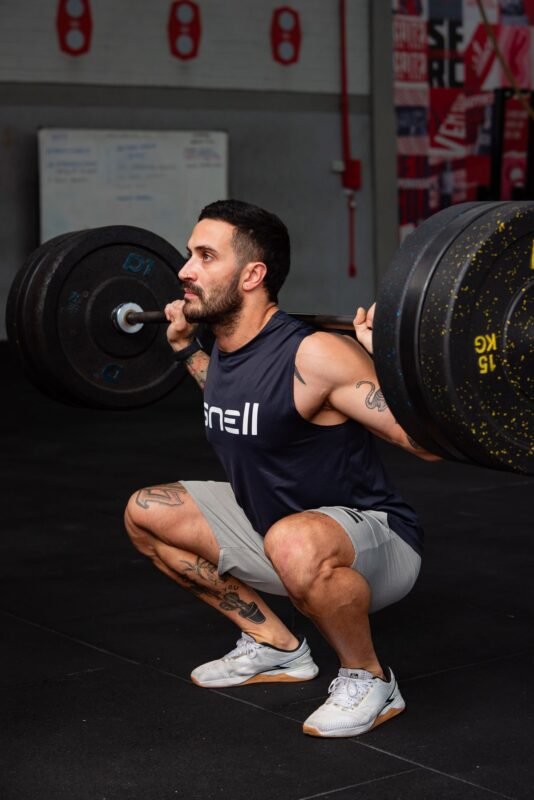
Build leg day around a knee-dominant movement and a hip hinge, then add hamstring curls and calf work as needed. Scale the session to your experience and account for a second lower-body day.
A well-designed leg day workout can build stronger legs, improve your overall physique and give you a better foundation for compound lifting. The mistake many gym-goers make is assuming that an effective leg workout has to contain endless exercises and leave them unable to walk the next morning. It does not.
The aim is to train the quads, hamstrings, glutes and calves with enough quality work to stimulate progress, then recover and repeat the process. This guide shows you how to structure a leg workout for muscle growth and strength.
A shorter leg-day option
| Exercise | Example working sets | Focus |
|---|---|---|
| Squat or leg press | 3 × 6–10 | A stable and repeatable depth |
| Romanian deadlift | 2 × 8–12 | Controlled hip hinge |
| Leg curl | 2 × 10–15 | Hamstring work through a comfortable range |
| Calf raise | 2 × 10–20 | Controlled repetitions without bouncing |
This nine-set option replaces the longer session when time or recovery is limited. It is not extra work to add afterwards. Beginners can use two sets for the first exercise as well while learning.
Account for overlap
A squat or leg press can train both quads and glutes, while a hinge trains hamstrings and glutes. Adding a dedicated glute workout on top may duplicate substantial lower-body work. Review the week before adding more hip thrusts, lunges and split squats.
Rest long enough to set up and brace reliably. If breathing limits every set, rushing the workout may make it less useful. If a particular exercise is uncomfortable, use a suitable alternative and investigate persistent symptoms rather than forcing the published menu.
Keep the load, range and repetitions in your training log. Soreness the next morning is not a score for leg growth. The session should leave you able to recover for your next planned exposure.
What Makes a Good Leg Workout?
A good leg workout covers the major functions of the lower body rather than simply collecting exercises. You want a knee-dominant movement for the quadriceps, a hip hinge for the hamstrings and glutes, direct hamstring work where useful and calf training if calf development is a goal.
Exercise selection should match your mobility, equipment and experience. A hack squat, leg press or split squat can be an excellent choice if conventional back squats are uncomfortable. The best bodybuilding workout plan is not the one with the most impressive exercise list. It is the one you can perform safely and progress consistently.
Squat and Knee-Dominant Exercises
Back Squat
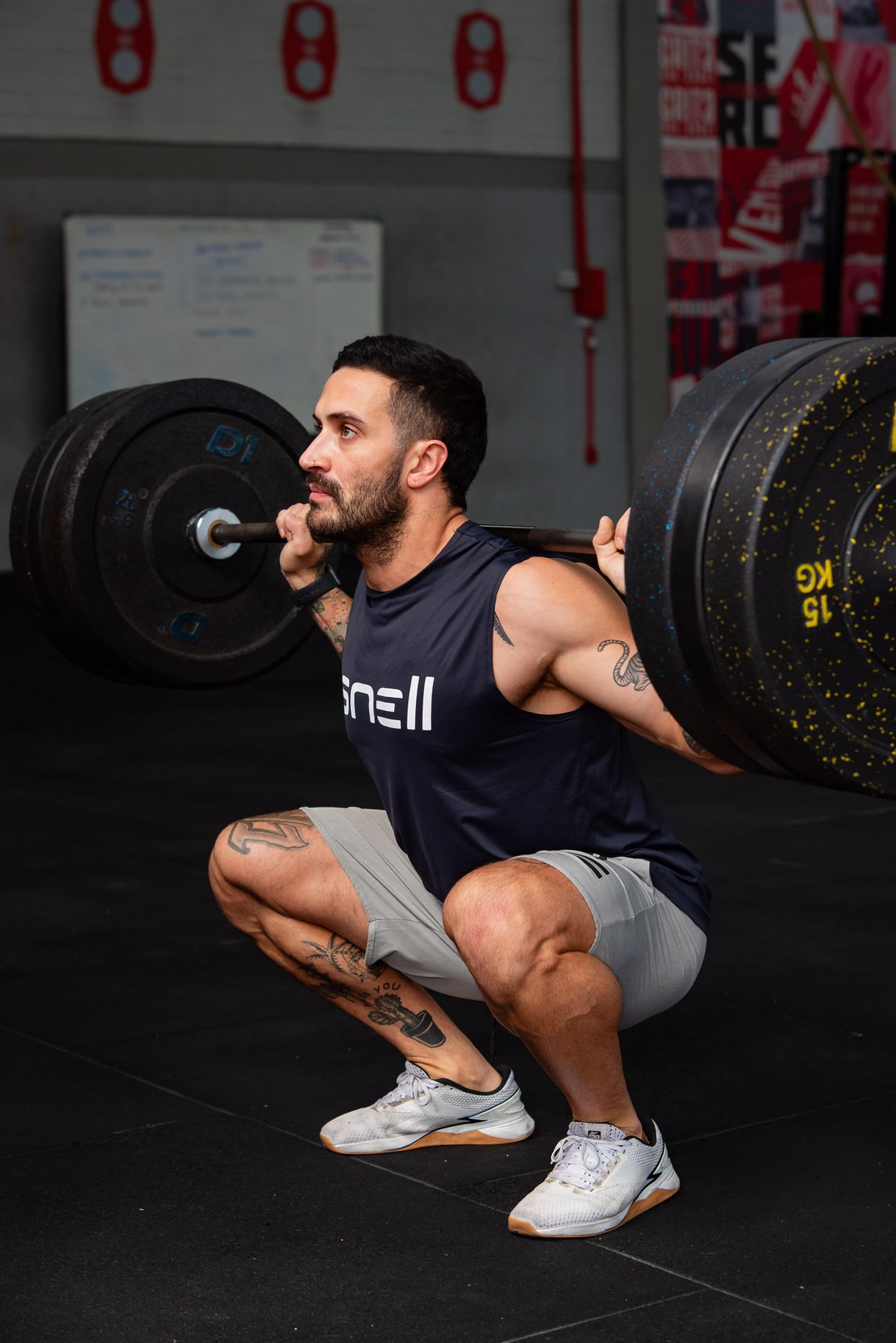
The back squat trains the quads, glutes and trunk while allowing substantial loading. Use a stance and depth that you can reproduce without pain. A controlled descent and stable bottom position are more useful than chasing a number at the expense of technique.
Leg Press
The leg press can provide a high amount of lower-body work without requiring the same balance and trunk control as a free-weight squat. It is particularly useful for adding quad volume after a heavier compound movement.
Hip Hinge Exercises
Romanian Deadlift
The Romanian deadlift trains the hamstrings and glutes through a hip hinge. Keep the spine controlled, move the hips back and stop when you reach a strong stretch without losing position. You do not need to force the bar to the floor.
Leg Curl
Leg curls directly train the hamstrings through knee flexion and are a useful complement to hip hinges. Both seated and lying versions can work well. Use a controlled eccentric and avoid swinging the weight.
Training the Glutes
Glutes contribute to hip extension and are trained during squats, hinges, split squats and other lower-body movements. If glute growth is a priority, you can add hip thrusts or a machine-based hip extension movement after your main work.
Training the Calves
Calves often respond well to consistent direct training. Use standing calf raises for the gastrocnemius and seated variations for additional soleus work. A controlled stretch and full contraction are more useful than bouncing through fast repetitions.
Complete Leg Day Workout
- Back squat or hack squat: 3 sets of 6 to 10.
- Romanian deadlift: 3 sets of 6 to 10.
- Leg press: 3 sets of 8 to 12.
- Seated or lying leg curl: 3 sets of 10 to 15.
- Leg extension: 2 sets of 10 to 15.
- Calf raise: 3 sets of 10 to 15.
This is a starting point rather than a rule. Beginners may need less volume, while advanced lifters may benefit from more. The correct amount is the amount you can recover from while continuing to improve.
Sets and Repetitions
Compound leg exercises can be trained across a broad range. Around 5 to 10 repetitions can work well for squats and hinges, while 8 to 15 or more can work well for machines and isolation exercises. Choose a load that lets you keep the movement consistent.
How to Progress Leg Day
Track every working set. If your squat increases from 100 kg for 8 repetitions to 100 kg for 10, you have progressed. Once you reach the upper end of your target range, add a small amount of weight. You can also progress through better technique, range of motion or additional repetitions.
Do not judge leg training only by soreness. Being extremely sore is not proof that a workout was productive. Performance and long-term changes in strength and muscle are more useful measures.
How Often Should You Train Legs?
Many lifters benefit from training legs twice per week, especially when volume is split across sessions. For example, one day can emphasise squats and quads while another gives more attention to hinges and hamstrings. Beginners can make excellent progress with one well-structured leg day per week.
Nutrition for Leg Growth
Lower-body training uses a lot of energy, so under-eating can make recovery difficult. Get enough total calories and protein, and include carbohydrate-rich foods around training if they help your performance. A practical protein target for resistance-trained adults is around 1.6 to 2.2 grams per kilogram of body weight each day.
Recovery After Leg Training
Give hard-trained muscles time to recover. Sleep consistently, stay hydrated and avoid adding extra high-intensity leg work simply because one session felt easy. Walking and normal daily activity can support recovery without turning the next day into another hard workout.
Common Leg Day Mistakes
- Using poor squat technique to lift heavier loads.
- Doing too many exercises in one session.
- Ignoring hamstrings because quads are the visual priority.
- Skipping calves if they are a goal.
- Changing exercises before tracking progression.
- Confusing soreness with progress.
Warm Up for Leg Day
A leg-day warm-up should prepare you for the movements you are about to perform without creating unnecessary fatigue. Start with a few minutes of general movement if useful, then perform lighter sets of your first compound exercise. Gradually increase the load until you reach your working weight.
The heavier your first exercise, the more useful gradual warm-up sets become. If you are using a machine or a lighter isolation exercise, you may need very little preparation. Your warm-up should make the working sets feel better, not turn into another workout.
Finding the Right Squat Stance
There is no single foot position that every lifter must use. Hip structure, limb proportions, mobility and footwear can all influence your comfortable squat stance. Start with a position that lets your knees and hips move naturally while keeping your feet stable.
Your knees can travel forward during a squat if that is comfortable for you. The useful goal is controlled movement rather than trying to force your knees into a particular position. Choose a depth that you can reproduce while maintaining control and avoiding pain.
Why Single-Leg Work Can Help
Split squats, lunges and other unilateral exercises can complement bilateral squats and leg presses. They allow each leg to work independently and can be useful when you want additional quad or glute volume without continually adding more heavy bilateral loading.
Single-leg exercises are often demanding even with relatively light weights. Start conservatively and focus on balance and range of motion. You do not need to load them like a barbell squat for them to be productive.
How Much Leg Volume Do You Need?
More sets are not automatically better. A beginner may progress with a modest number of hard sets, while an experienced lifter may need more total work. Consider the volume from your entire week rather than judging one leg session in isolation. Squats, hinges, sports and cardio can all contribute to recovery demand.
If your lifts are progressing, soreness is manageable and you are recovering before the next session, there may be no reason to add more. If progress has stalled for a long period and recovery is good, a small increase in volume may be worth testing.
Exercise Order and Priorities
Put the exercise that matters most to your goal earlier in the session. If quad growth is the priority, a squat, hack squat or leg press can lead the workout. If hamstrings are lagging, you might place a Romanian deadlift or leg curl earlier. There is no requirement to follow one universal exercise order.
Heavy compound work usually comes before isolation movements because it requires more coordination and energy. After that, machines and isolation exercises can provide targeted volume without demanding the same level of whole-body stability.
Measure Progress Beyond Soreness
Leg training can produce significant soreness, but soreness is not a reliable score for workout quality. Record your repetitions and loads, and look for gradual improvements. A stronger squat, more controlled leg press or additional repetitions on a leg curl are useful indicators.
Also pay attention to technique. If you can use the same weight through a more consistent range of motion, that is progress even if the number on the bar has not changed. Over several months, these small improvements can produce meaningful changes in leg size and strength.
Comfort affects whether you can focus on the set. Use our guides to what to wear on leg day and choosing the best gym shorts for lifting.
Final Plan
A productive leg day combines a knee-dominant movement, a hip hinge, targeted hamstring and quad work and optional calf or glute work. Keep the exercise list manageable, record your performance and progress gradually.
The Gym Pro’s Olympian Sculpt bodybuilding blueprint provides a structured approach for lifters who want a complete training framework.
Related guides
- Squat Depth: Find a Stable, Comfortable Range of Motion
- Glute Workout: Exercises, Weekly Volume and Progression
- Upper Lower Split: A 4-Day Workout With Progression
- Best Calf Workout: A Twice-Weekly Plan for Bigger Calves
Further reading: ACSM resistance-training recommendations (2026). The worked programmes here are adjustable examples, not programmes tested in that publication.
This content is general fitness education and is not individual medical or coaching advice.
SHOP OUR TOP GYM PRODUCTS
Mr Olympia Amateur Korea T-Shirt – Oversized Cotton Tee
Tren and Jerry’s T-Shirt – Funny Gym Pump Cover
Mr Olympia Weightlifting Belt – PU Leather for Squats & Deadlifts
£45.99Original price was: £45.99.£38.99Current price is: £38.99.Loose Bodybuilding Trousers – Hardcore Gym Workout Pants
I’m Afraid of Women Gym Retro T-Shirt – Funny Bodybuilding Tee
Berserk Lever Belt – Anime Powerlifting Gym Belt
£84.99Original price was: £84.99.£69.99Current price is: £69.99.Mr Olympia Muscle-Fit Sweatshirt – Vintage Bodybuilding Top
£33.99Original price was: £33.99.£26.99Current price is: £26.99.Milk Makes My Tummy Hurt T-Shirt – Funny Gym Pump Cover