



How to Build Muscle: A Beginner Training and Food Plan
Start with a repeatable resistance-training plan, enough food and protein, and recovery you can sustain. Track your working sets so changes in strength and repetitions guide what you do next.
Looking for a simple, effective way to build muscle? Muscle gain does not require a perfect diet, endless hours in the gym or a complicated bodybuilding workout plan. It requires a repeatable training routine, enough food and protein, progressive overload and enough recovery to let your body adapt.
This guide explains the fundamentals of building muscle for beginners and intermediate lifters. It is designed around practical gym training rather than gimmicks, with a focus on resistance training, exercise selection, nutrition, recovery and consistency.
Your first month of organised training
| Week | Priority | Keep a record of |
|---|---|---|
| 1 | Choose two or three sessions and learn familiar movements | Exercises, setup and manageable starting loads |
| 2 | Repeat the plan instead of changing every exercise | Reps at the same technique standard |
| 3 | Add a rep where comfortable; increase load only when justified | Effort and recovery between sessions |
| 4 | Review what you actually completed | Attendance, performance and practical barriers |
This schedule organises the learning process; it is not a promise of visible muscle in four weeks. Early strength improvements also reflect skill and familiarity. Give body-composition changes longer to develop.
Pick the smallest useful set of decisions
Choose a programme that covers a knee-dominant lift, a hinge, a press and a pull, with suitable accessories. Begin with manageable sets and learn how to stop before technique deteriorates. If you cannot train three days reliably, a two-day plan is a better starting commitment than repeatedly missing half a six-day split.
Set a practical protein target and regular meals before buying supplements. For many healthy adults, around 1.6 g/kg/day is a useful protein starting point; individual dietary and medical needs can change the advice. A surplus can support gaining weight, but beginners do not all need an aggressive bulk.
Review without overreacting
Use the same measurements under similar conditions if you choose to track them. A single scale reading or a workout pump cannot show new muscle tissue. If attendance and technique are improving, keep building the routine. If you repeatedly miss sessions, first change the schedule or workload rather than searching for a more complicated programme.
Muscle Building Basics
Muscle hypertrophy is the process by which muscle tissue adapts to resistance training. When you repeatedly challenge a muscle with a suitable training stimulus, your body responds by repairing and adapting the tissue. The important point is that the workout is only part of the process. Training provides the stimulus; nutrition and recovery support the adaptation.
For most people, the best muscle-building approach is resistance training two or more times per week for major muscle groups, using a sensible selection of compound and isolation exercises. You do not need to train every day. You need enough quality work to create progress without accumulating so much fatigue that performance suffers.
How to Train for Muscle Gain
A good bodybuilding workout plan should be structured around the major movement patterns: pressing, pulling, squatting, hinging and loaded carries or similar work. This gives you a broad foundation while allowing individual muscles to receive direct attention.
Beginners can make excellent progress with three or four gym sessions per week. A full-body routine three times weekly is simple and effective. An upper/lower split or push-pull-legs structure can work well as training experience increases. The best routine is the one you can perform consistently while recovering between sessions.
Prioritise good technique before chasing heavier weights. A controlled range of motion and repeatable setup make it easier to track progress and reduce the temptation to turn every set into a test of survival.
Progressive Overload
Progressive overload is one of the most important concepts in muscle gain. Your muscles need a reason to adapt, so your training should gradually become more demanding. That does not mean adding weight every workout regardless of technique. Progress can come from increasing repetitions, adding a small amount of weight, improving range of motion, adding a set, or performing the same workload with better control.
One simple method is double progression. Choose a rep range such as 8–12. Keep the same weight until you can perform all your working sets near the top of the range with solid technique. Then increase the load slightly and build the repetitions back up. This makes your gym workout measurable and prevents random changes from week to week.

Choosing the Right Exercises
You do not need dozens of exercises. Start with movements that train large amounts of muscle efficiently, then add isolation exercises where useful. Squats, leg presses, Romanian deadlifts, bench presses, overhead presses, rows and pull-downs can form the backbone of a programme.
Isolation work such as lateral raises, curls, triceps extensions, leg curls and calf raises can then target muscles that need additional volume. Exercise choice should also suit your anatomy, equipment and comfort. If an exercise repeatedly causes pain, changing the movement is usually more sensible than forcing it because it is popular online.
Sets, Reps and Rest
There is no single magic repetition range for hypertrophy. Muscle can grow across a broad range of repetitions when sets are challenging enough and total training volume is appropriate. For many gym-goers, roughly 6–15 repetitions is a practical range for most exercises, while higher repetitions can work particularly well for smaller isolation movements.
Rest long enough to perform your next set properly. Compound exercises often benefit from two or more minutes of rest, while smaller movements may need less. Rushing every set because you want a short workout can reduce the quality of later sets.
Nutrition for Muscle Gain
Training without adequate nutrition makes muscle gain harder. If you want to build muscle, your diet should provide enough calories, protein, carbohydrates, fats, vitamins and minerals. A small calorie surplus can support weight gain and muscle growth, although the ideal amount depends on your starting point and goals.
Choose mostly minimally processed foods, but do not confuse bodybuilding nutrition with eating perfectly. Lean meat, fish, eggs, dairy, beans, lentils, grains, potatoes, fruit, vegetables, nuts and healthy fats can all fit into a muscle-building diet. Carbohydrates are especially useful around training because they support training performance and replenish glycogen.
How Much Protein Do You Need?
Protein provides the amino acids required for muscle protein synthesis. A practical target for people who lift weights is around 1.6–2.2 grams of protein per kilogram of body weight per day. You do not need to hit the exact number every day, but consistently eating enough protein makes it easier to support muscle growth.
Spread protein across several meals rather than trying to consume almost everything at dinner. Foods such as chicken, lean beef, fish, eggs, Greek yoghurt, cottage cheese, milk, tofu, beans and protein supplements can make this easier. Supplements are convenient, but they are not mandatory if your diet already provides sufficient protein.
Recovery and Sleep
Muscle growth does not happen because you stayed in the gym for another hour. Recovery matters. Aim for a consistent sleep schedule and enough sleep to feel rested and perform well. Manage overall stress, stay hydrated and give heavily trained muscles time to recover.
More training is not automatically better. If your lifts are falling, soreness is persistent, motivation is dropping and performance is getting worse, your programme may need less volume or more recovery. A well-designed bodybuilding plan should leave you able to train productively again.
Common Muscle-Building Mistakes
- Changing your programme every week instead of tracking progression.
- Using poor technique simply to move heavier weights.
- Doing too many exercises and too little quality work.
- Undereating while expecting rapid muscle gain.
- Ignoring sleep and recovery.
- Expecting supplements to compensate for weak training or nutrition.
- Comparing your progress with enhanced athletes or people with very different genetics.
Putting It All Together
A successful muscle-building routine is surprisingly simple: train consistently, use progressive overload, eat enough protein and calories, recover properly and track what you are doing. Give a sensible programme enough time to work before judging it.
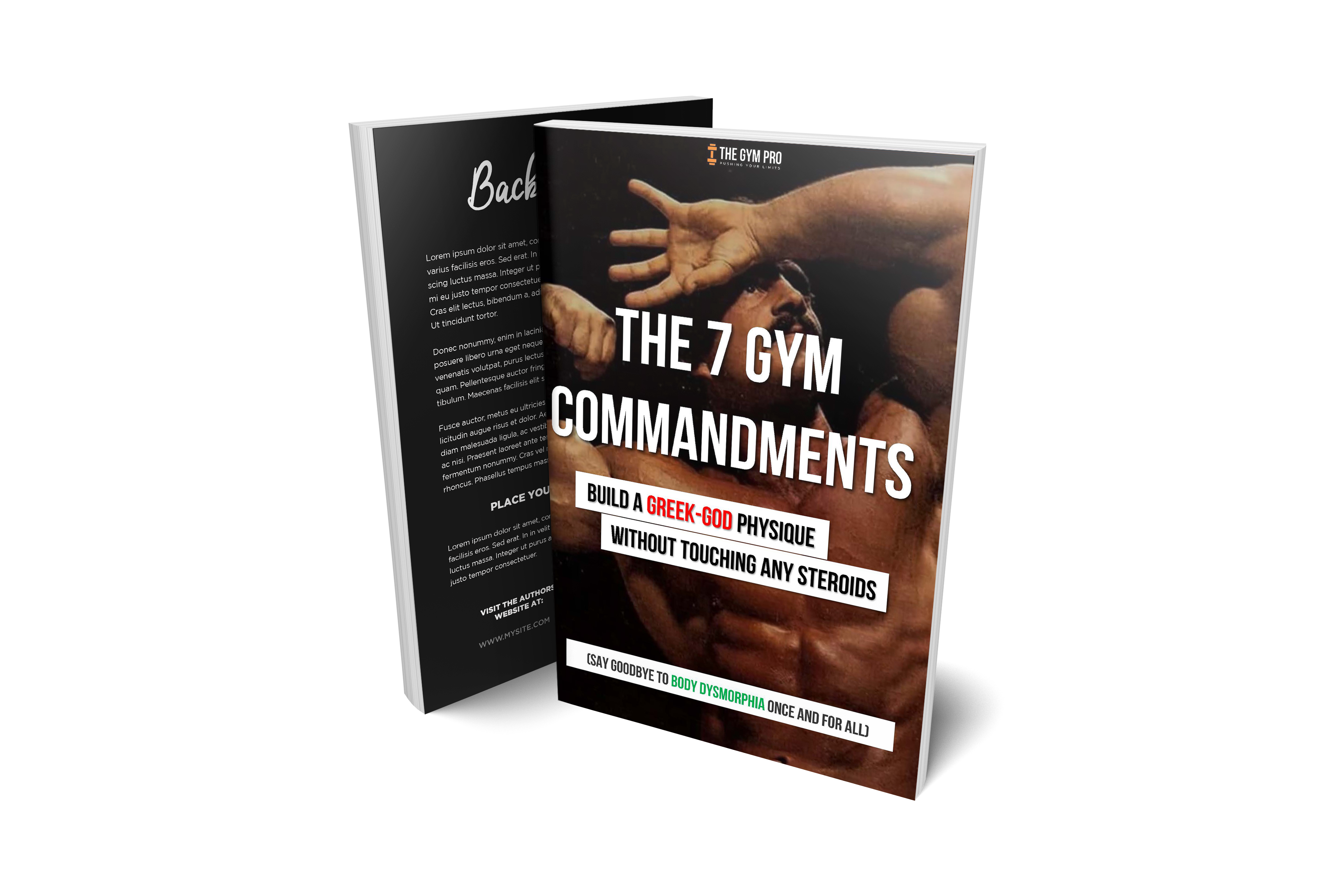
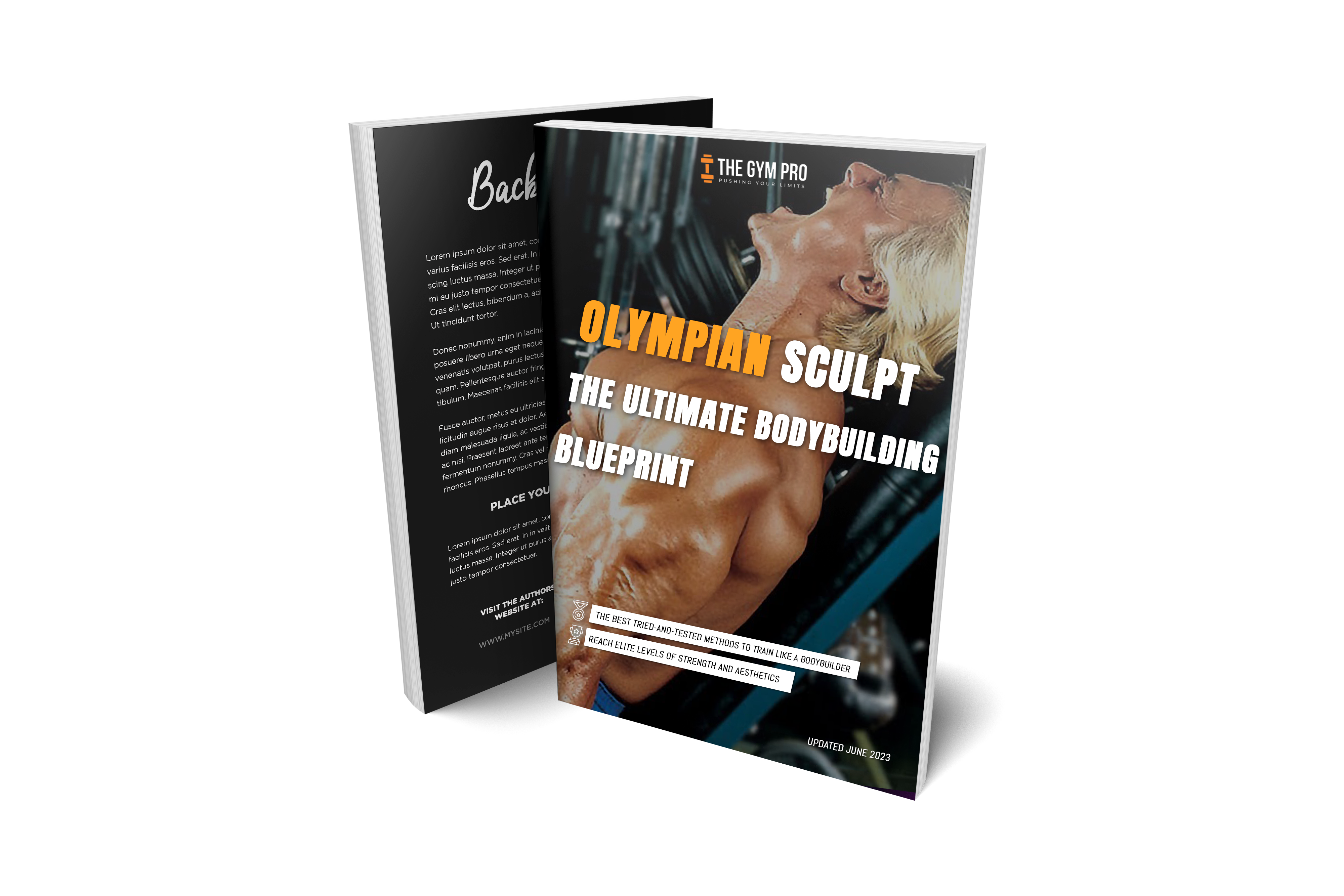
If you want a structured approach rather than building your own programme from scratch, The Gym Pro’s Olympian Sculpt bodybuilding blueprint is designed around structured bodybuilding training. You can also read The 7 Gym Commandments for a broader look at training principles.

Final takeaway: you do not need a secret exercise or miracle supplement to build muscle. You need a good gym workout plan, progressive training, sufficient protein and calories, and enough recovery to repeat the process for months and years.
Fitness information is general education and is not a substitute for individual medical or nutritional advice.
/wp:html wp:paragraph /wp:paragraphRelated guides
- Beginner Gym Workout Plan: Your First 12 Weeks
- Full Body Workout 3 Days a Week: Plan and Progression
- Protein for Muscle Growth: Daily Targets and Meal Examples
- Calories to Build Muscle: Estimate, Track and Adjust
- Cardio While Building Muscle: A Weekly Planning Guide
- Body Recomposition: Build Muscle and Lose Fat Together
Further reading: ACSM resistance-training recommendations (2026). The worked programmes here are adjustable examples, not programmes tested in that publication.
SHOP OUR TOP GYM PRODUCTS
Creatine Meme T-Shirt – Funny Gym Shirt for Men
Smart Body Composition Scale – Bluetooth LCD Fitness Tracker
£38.99Original price was: £38.99.£29.99Current price is: £29.99.Mr Olympia Weightlifting Belt – PU Leather for Squats & Deadlifts
£45.99Original price was: £45.99.£38.99Current price is: £38.99.Mr Olympia T-Shirt – Joe Weider Oversized Bodybuilding Tee
Body Composition Scale with Handheld Sensor & 1.5 m Cable
£124.99Original price was: £124.99.£89.99Current price is: £89.99.Men’s Oversized Gym Pump Cover – Your Standard LYFT Tee
Loose Bodybuilding Trousers – Hardcore Gym Workout Pants
Powerhouse Gym Cap – Classic Denim Unisex Bodybuilding Hat
£26.99Original price was: £26.99.£15.99Current price is: £15.99.