


How to Break In a Leather Lifting Belt Without Damaging It

How do you break in a leather lifting belt? Wear it for light and moderate training, roll it gently in both directions, flex small sections by hand and store it loosely curved. Repeated use will soften the leather at the points that need to move while preserving the belt’s structure.
A new belt may feel stiff at first, especially around the front edges. Give it time through ordinary training and check whether the curve gradually follows your body. If the edge still digs painfully into your ribs or hips, check the size, width and position instead of trying to force the leather into shape. A break-in routine should make a suitable belt easier to use, not rescue one that does not fit.
Why Does a New Leather Belt Feel So Stiff?
A powerlifting belt may use several layers of leather, dense stitching and a thickness of roughly 10 or 13 millimetres. That structure is intentional: the belt is supposed to provide a firm surface for the torso to brace against. A new belt has not yet developed the gentle curve and flex points created by your body.
“Broken in” should not mean floppy. The aim is to reduce harsh edges, make the buckle or lever easier to close and create a natural curve around the waist. The back panel should remain supportive and the layers should stay bonded.
Thinner leather and suede-lined belts usually become comfortable sooner than very thick untreated leather. The quality and tannage of the material also change the process.
Check These Things Before You Start
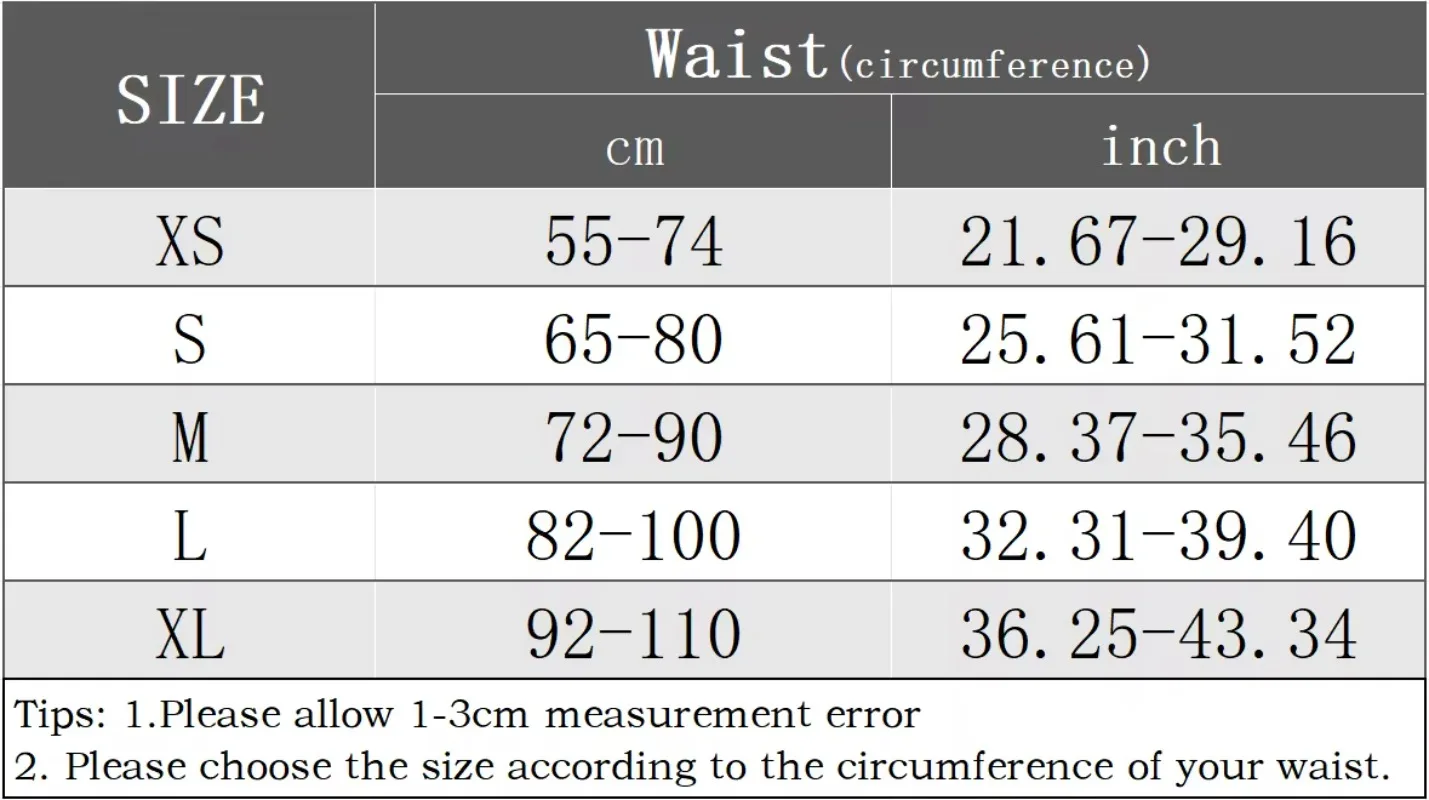
- Confirm the size. Your waist measurement should fall within the belt’s stated range, ideally near the middle.
- Inspect the hardware. Check lever screws, buckle rivets, prongs and keeper loops.
- Read the manufacturer’s care instructions. They take priority over generic advice.
- Try different heights. A belt that pinches may be positioned badly rather than too stiff.
- Check the return policy. Do not alter or condition a belt you may need to exchange.
If you are on the final hole, cannot reach the buckle safely or have excessive excess strap, breaking in will not correct the wrong size.
A Safe Step-by-Step Break-In Method
Step 1: Warm the leather naturally
Leave the belt at normal indoor temperature. Cold leather feels stiffer. Do not place it on a radiator or use a hairdryer; direct heat can dry and distort the material.
Step 2: Roll it gently
Starting at one end, roll the belt into a loose coil with the inside facing inward. Hold for several seconds, unroll it, then repeat with the outside inward. Do not force a tiny roll or create a hard crease.
Step 3: Flex short sections by hand
Move along the belt, bending each section through a shallow curve. Pay attention to the areas near the buckle or lever and the edges that contact the ribs and hips. Avoid twisting the hardware.
Step 4: Wear it during warm-ups
Put the belt on at a comfortable—not maximum—tightness for bodyweight squats, light goblet squats or empty-bar work. Practise breathing and bracing while it settles around the torso.
Step 5: Add moderate working sets
Over several sessions, use the belt on submaximal squats or deadlifts. Release it between sets. The combination of body warmth, pressure and normal movement develops a personalised curve.
Step 6: Repeat briefly
A few minutes of rolling before each of the first several sessions is enough. Aggressive hour-long bending does not accelerate the useful part of the process.

Six Break-In Methods to Avoid
1. Soaking the belt in water
Water can swell and distort leather, affect dyes, encourage corrosion around hardware and weaken bonding between layers. Drying a saturated belt can leave it hard or misshapen.
2. Putting it in an oven or on a radiator
High heat removes moisture and oils unpredictably. It can shrink leather, damage adhesive and create cracks. A lifting belt is protective equipment; do not cook it.
3. Driving over it
This popular internet trick adds uncontrolled compression, grit and possible hardware damage. It does not reproduce the smooth curve of a torso.
4. Folding it into sharp creases
A crease concentrates stress at one line. Rolling spreads movement across a wider section and is less likely to crack the surface or separate layers.
5. Applying cooking oil or petroleum products
Household oils can darken, soften unevenly, become rancid or damage finishes. Petroleum-based products may affect adhesives or synthetic components. Use only a conditioner specifically approved by the manufacturer.
6. Hammering the leather
Impact can mark the surface, deform edges and damage internal construction. Patience is safer and produces a belt shaped by your actual use.
How Long Does a Leather Belt Take to Break In?
| Belt type | Typical feel | Break-in expectation |
|---|---|---|
| Flexible or tapered leather | Comfortable quickly | Several sessions |
| 10 mm powerlifting belt | Rigid but manageable | A few weeks of regular use |
| 13 mm powerlifting belt | Very stiff | Several weeks or longer |
| Suede-finished belt | Softer surface | Edges and body still need normal wear |
These are rough expectations, not promises. Training frequency, leather construction and how often the belt is used all matter. A thick belt may never feel soft, and that may be exactly what it was designed to do.
Lever vs Prong During Break-In
A lever belt can be easier to close once the body of the belt develops a curve. Check the screws before each early session because the hardware may settle. Use the correct screwdriver and do not overtighten to the point that threads are damaged.
A prong belt benefits from flex near the buckle and commonly used holes. Do not yank the strap around a rack upright to close it. That can stretch holes, scrape the leather and damage gym equipment. If you cannot fasten it by hand at a usable tightness, reassess the size or setting.
Our lever vs prong lifting belt comparison explains which closure suits frequent adjustment.
When Stiffness Is Actually a Fit Problem
Break-in cannot create space that does not exist. If the belt fills the entire gap between ribs and hips, a narrower or tapered model may suit your torso. If the front blocks your deadlift start, move it higher or angle it before assuming the leather needs to become softer.
Use our guide to lifting belt position and test the belt with bodyweight movements. Sharp bone-on-edge contact after sensible adjustments suggests the shape may be wrong.
How to Care for the Belt After Break-In
- Allow sweat to dry at room temperature after training.
- Wipe the surface with a soft, slightly damp cloth if the manufacturer permits.
- Store flat or in a loose natural curve.
- Keep it away from radiators, direct sun, damp car boots and sealed wet bags.
- Check stitching, layers, buckle holes and hardware regularly.
- Use leather conditioner only when recommended and test a small hidden area first.
Do not leave a lever belt clamped tightly while stored for months. Open the lever and allow the belt to rest without extreme tension. Keep spare manufacturer-approved screws if the design uses removable hardware.
If the leather develops a deep structural crack, layers separate or the closure becomes unreliable, stop using it for heavy lifts. Cosmetic scuffs are normal; failure at a load-bearing point is not.
The Gym Pro offers different leather powerlifting belt styles. Match stiffness to your needs: a first-time belt user does not automatically need the thickest option available.
Frequently Asked Questions
Should I roll my lifting belt?
Yes, gently and in both directions. Use a broad coil rather than a sharp fold.
Can I use leather conditioner?
Only if the belt manufacturer approves it. Some conditioners darken leather, soften it excessively or affect finishes.
Can I wear a new belt for heavy sets immediately?
You can if it fits and you know the setup, but light and moderate practice is better for learning position and bracing.
Will a 13 mm belt ever become soft?
It will usually conform more comfortably, but it is designed to remain very rigid. Do not expect it to feel like a nylon belt.
Why does the belt pinch after weeks of use?
The width, height, angle or tightness may be wrong. Break-in does not solve every fit problem.
What a Properly Broken-In Belt Feels Like
The belt should wrap without fighting you, the edges should no longer feel unexpectedly sharp and the closure should line up without extreme pulling. It should still resist your brace and return to its general shape when removed. Softening is local and controlled, not a complete loss of stiffness.
Photograph the belt when new and again after a month. Normal creasing follows the waist; warning signs include a deep crack across a load-bearing layer, separated laminate, pulled rivets or distorted holes.
If competition use is planned, preserve the belt’s dimensions and check the federation’s specifications before altering anything. The IPF publishes current technical rules and equipment information.
Final Takeaway
Break in a leather lifting belt with controlled use, gentle rolling and time. The goal is a natural curve and comfortable edges, not a floppy belt. Avoid water, high heat, uncontrolled force and unapproved oils; they can damage the exact structure you bought the belt to provide.
This article provides general equipment and training information. Follow the manufacturer’s instructions for your belt.
SHOP OUR TOP GYM PRODUCTS
Heavy Washed Gothic Hoodie – Oversized Y2K Streetwear
Tren and Jerry’s T-Shirt – Funny Gym Pump Cover
Nasser El Sonbaty Shirt – Uncrowned Mr Olympia T-Shirt
Mike Mentzer Clothing – Uncrowned King Cotton T-Shirt
Berserk Gym Belt – Weightlifting Belt for Men & Women
Ronnie Coleman Gym Merch – Legalize Tren Cotton T-Shirt
Kevin Levrone Uncrowned T-Shirt – Cotton Gym Pump Cover
Ronnie Coleman T-Shirt – Funny Bodybuilding Gym Tee