


Best Muscle-Building Exercises: Choose Your Workout Menu
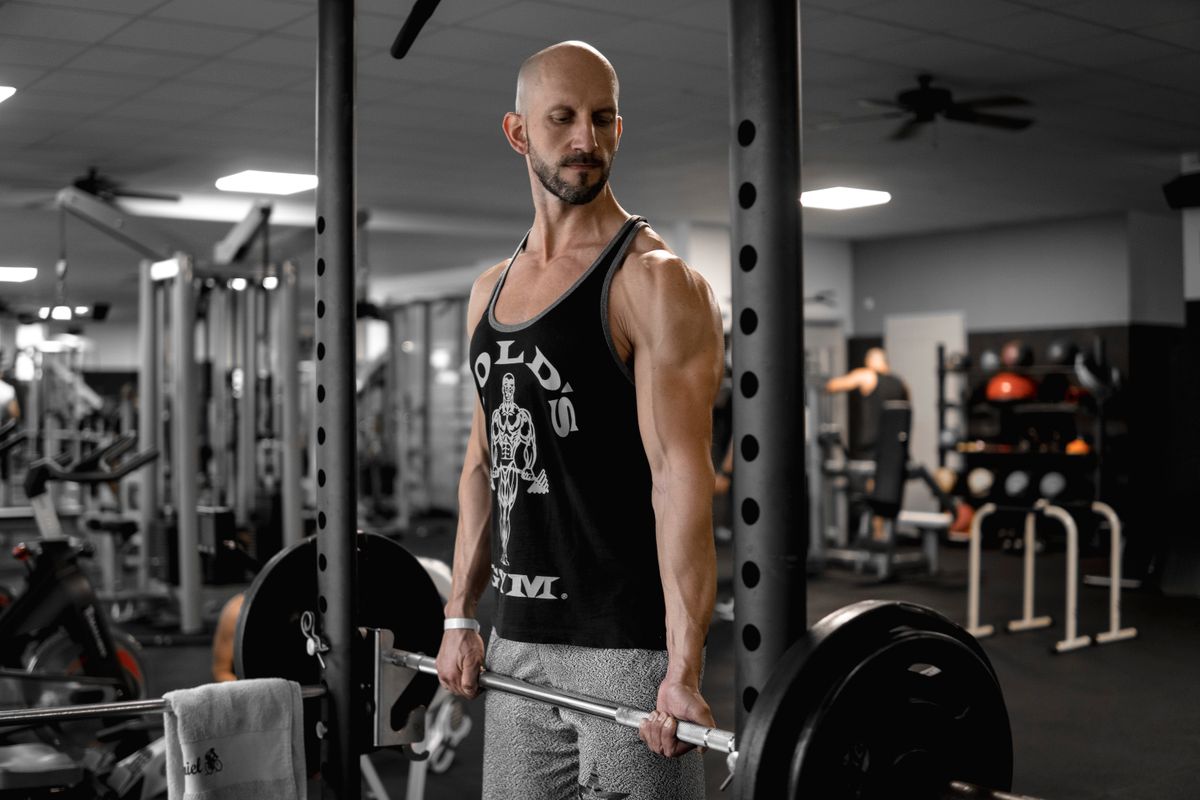
Choose exercises that train the intended muscles through a tolerable range, fit your equipment and allow repeatable progression. There is no universal best exercise that every lifter must perform.
Building muscle does not require a secret exercise. The most effective gym workout plans are usually built around a manageable selection of movements that train the major muscle groups and can be progressed over time. Exercise choice matters, but consistency, effort, nutrition and recovery matter just as much.
This weightlifting guide covers the best exercise categories for muscle growth, how to choose between free weights and machines, how to organise exercises in a session and how to build a balanced bodybuilding routine.
Build a balanced exercise menu
| Movement | Free-weight example | Alternative |
|---|---|---|
| Knee-dominant | Goblet or barbell squat | Leg press or hack squat |
| Hip hinge | Dumbbell Romanian deadlift | Another suitable coached hip-extension movement |
| Horizontal press | Dumbbell or barbell bench press | Machine chest press |
| Vertical pull | Assisted or full pull-up | Lat pulldown |
| Row | Chest-supported dumbbell row | Cable or machine row |
| Accessories | Curl, raise or calf exercise | A comfortable cable or machine version |
This is a menu, not an instruction to do every option in one session. Pick a small set that covers the main patterns, then add direct work where the rest of your programme leaves a useful gap.
Choose by the limiting factor
If balance prevents your legs from working hard in a split squat, support or a stable machine can help. If a bent-over row is limited by lower-back fatigue from yesterday’s hinges, use a supported row. The alternative should solve a practical problem while retaining a useful training stimulus.
Keep your choices stable for a block. Write down the machine, grip, seat setting and range so you can reproduce them. A heavier number on a different machine is not automatically progress.
Replace an exercise when it remains uncomfortable, unavailable or difficult to perform consistently, rather than changing everything whenever a new routine appears online. Persistent pain needs individual assessment; a list of substitutions cannot diagnose it.
How to Choose Muscle-Building Exercises
Good exercises train a target muscle through a useful range of motion, are comfortable enough to perform consistently and allow you to apply progressive overload. You do not need to use every exercise you see online. If two movements train the same muscles equally well for you, choose the one that is easier to set up and progress.
Best Lower-Body Exercises
Squat Variations
Back squats, front squats, hack squats, goblet squats and leg presses can all train the quadriceps and glutes. The best choice depends on your experience, mobility and equipment.
Hip Hinges
Romanian deadlifts and other hip hinges train the hamstrings and glutes. Use a controlled range and avoid forcing the bar lower than your mobility allows.
Leg Machines
Leg extensions, leg curls and calf raises make it easier to add direct volume. Machines can be particularly useful when you want to train close to muscular fatigue without the same balance demands as free weights.
Best Chest Exercises
Bench press, dumbbell press, incline press, machine chest press and cable or pec-deck flyes are all useful. Use one or two pressing patterns and add an isolation movement rather than performing six different presses in the same workout.
Best Back Exercises
Pull-ups, lat pulldowns, chest-supported rows, cable rows and single-arm dumbbell rows provide a strong selection. Combine a vertical pull with a horizontal row to train the back through different functions.
Best Shoulder Exercises
Overhead presses train the front and side shoulders along with the triceps. Lateral raises are useful for direct side-delt work, while reverse flyes and rear-delt machines can target the rear shoulders. Keep shoulder training balanced with your pressing volume.
Best Arm Exercises
For biceps, curls using dumbbells, cables or a barbell are simple choices. For triceps, cable extensions, overhead extensions and close-grip pressing can all work. You do not need a dozen variations. Choose movements that feel stable and allow steady progression.
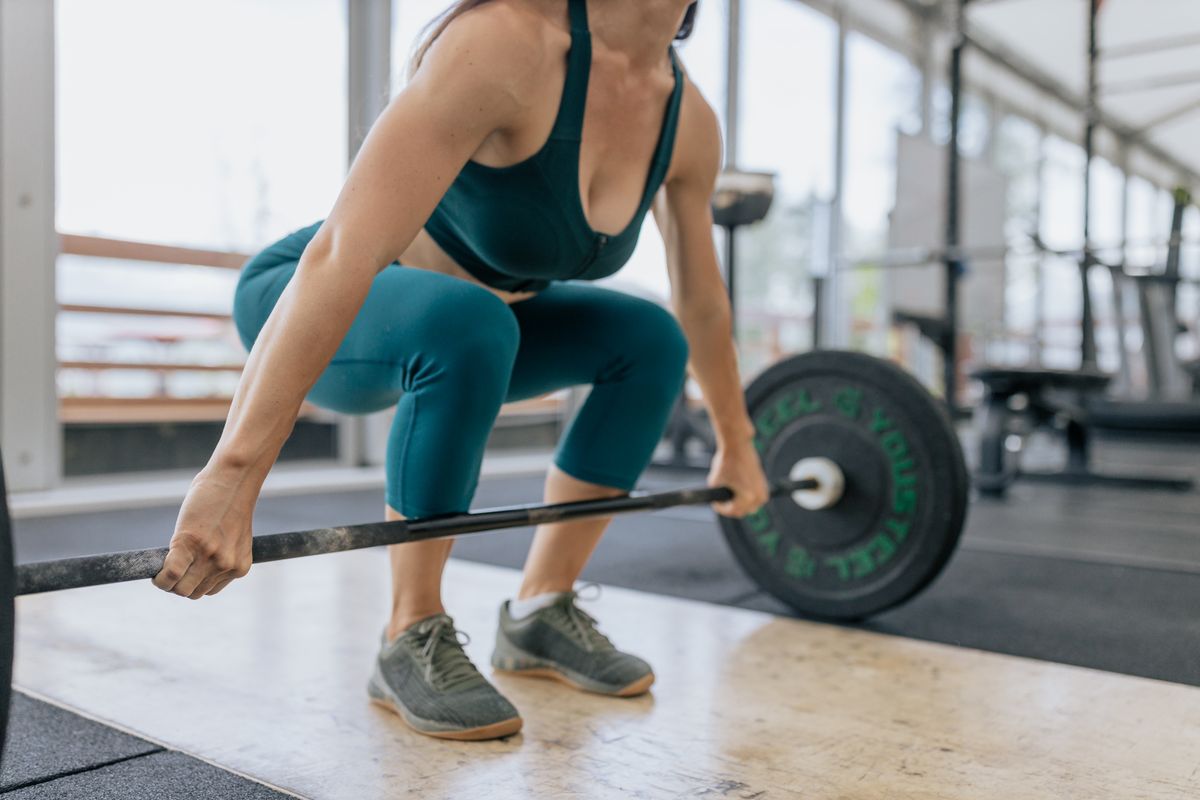
Free Weights vs Machines
Both can build muscle. Free weights require more stabilisation and can be excellent for strength and movement skill. Machines can provide stability that lets you focus on the target muscle and push a set hard. A good bodybuilding workout plan can use both.
How to Order Exercises
Place the exercises that matter most to you earlier in the session. Large compound movements often come first because they require more coordination and energy. Isolation movements can come later. If a smaller muscle is a priority, you can place its exercise earlier occasionally.
Sets and Reps
Muscle can grow across a broad repetition range. Roughly 6 to 12 repetitions is practical for many compound movements, while 8 to 20 works well for many machines and isolation exercises. Use enough rest to perform quality sets rather than rushing through them.
Progressive Overload
Track your performance. Add repetitions within a target range before increasing weight, or use small load increases when technique is stable. Progression can also come from better control and a more consistent range of motion.
Training Frequency
Most muscle groups can be trained more than once per week. Full-body routines, upper-lower splits and push pull legs routines can all work. Choose a frequency that gives you enough quality work while leaving adequate recovery.
Nutrition and Muscle Growth
Eat enough protein and total calories for your goal. A practical protein target for many lifters is 1.6 to 2.2 grams per kilogram per day. If gaining muscle, a modest calorie surplus can help. If losing fat, maintain resistance training and use a sensible calorie deficit.
Exercise Selection Mistakes
- Choosing exercises because they look impressive rather than because they work for you.
- Changing movements every week.
- Doing too many exercises in one session.
- Ignoring uncomfortable or painful movement patterns.
- Using excessive weight and poor technique.
- Forgetting to train legs or back.
Example Full-Body Workout
- Leg press or squat: 3 x 6 to 10.
- Bench press: 3 x 6 to 10.
- Lat pulldown: 3 x 8 to 12.
- Romanian deadlift: 2 x 8 to 12.
- Seated row: 2 x 8 to 12.
- Lateral raise: 2 x 12 to 20.
- Curl: 2 x 10 to 15.
- Triceps extension: 2 x 10 to 15.
Warm-Up and Preparation
A good muscle-building session starts before the first working set. Spend a few minutes raising your body temperature, moving through the ranges you will use and preparing the joints involved in the session. Your warm-up does not need to become a separate workout. The aim is to arrive at your first challenging set feeling prepared rather than fatigued.
For a compound lift, start with lighter sets and gradually add weight. For example, before working sets of a bench press, you might use an empty bar, then a light load and then one or two progressively heavier warm-up sets. The exact number depends on the exercise and your working weight. Isolation movements often need much less preparation because the loads are lower.
Technique, Range of Motion and Effort
Exercise selection only works when the movement is performed consistently. You do not need to make every repetition look identical down to the millimetre, but your range of motion, tempo and setup should be repeatable enough that you can compare one workout with the next. This is particularly important when tracking progressive overload.
For muscle growth, most working sets should be challenging without requiring every set to reach absolute failure. Finishing a set with roughly one to three good repetitions still available can be an effective way to accumulate quality training while controlling fatigue. Isolation exercises can often be pushed closer to failure because they create less whole-body fatigue than heavy compound lifts.
Choosing Exercises for Your Body
There is no single exercise that everyone must perform. Limb lengths, mobility, training history, equipment and personal comfort all affect which movements work best. A long-legged lifter may find a leg press or hack squat easier to load than a conventional back squat. Someone with limited shoulder comfort may prefer a neutral-grip dumbbell press or machine press instead of a barbell.
The useful question is not whether an exercise is supposedly the best on social media. Ask whether you can perform it comfortably, feel the intended muscles working, progress it over time and recover from it. If the answer is yes, it deserves a place in your bodybuilding workout plan.
Use a Training Log
A training log turns exercise selection into a measurable process. Record the exercise, weight, repetitions and, where useful, how difficult the final set felt. After several weeks you can see whether your performance is actually improving rather than relying on memory or how hard a single workout felt.
Progress does not always mean adding weight. You might perform more repetitions with the same load, improve your technique, use a fuller range of motion or achieve the same performance with less perceived effort. All of these can be useful signs that your training is moving forward.
How to Build a Balanced Exercise Menu
For a complete gym workout plan, start by selecting one or two exercises for each major movement pattern. A lower-body session might use a squat or leg press plus a hip hinge, followed by leg curls and calves. An upper-body session might combine a horizontal press, vertical or horizontal pull, shoulder isolation and direct arm work.
Avoid adding exercises simply because you have found another variation online. More movements increase session length and recovery requirements. A smaller menu that you know well is usually easier to progress than a constantly changing collection of exercises.
Think in Months, Not Workouts
The most effective weightlifting programme is the one that survives ordinary life. Some weeks will produce excellent sessions and others will be less impressive because of work, travel, poor sleep or other commitments. Do not judge a programme from one workout. Look at your performance across several weeks and months.
Build your routine around movements you can repeat, keep nutrition and recovery consistent, and make gradual adjustments when your progress genuinely stalls. That approach is much more useful than searching for a new exercise every time progress slows.
Final Takeaways
The best muscle-building exercises are the ones you can perform consistently, recover from and progressively improve. Build your routine around a few strong movements, use machines and free weights according to your needs, and let your training log guide progression.
For a complete structured approach, see The Gym Pro’s Olympian Sculpt bodybuilding blueprint.
Related guides
- Beginner Gym Workout Plan: Your First 12 Weeks
- Leg Day Workout: Quads, Hamstrings, Glutes and Calves
- Chest Workout for Muscle Growth: Sets, Reps and Options
- Back Workout: A Practical Plan for Lats and Upper Back
- Shoulder Workout: Presses, Lateral Raises and Rear Delts
- Arm Workout: Biceps, Triceps and Weekly Volume
- Best Ab Workout: A Progressive Plan for a Stronger Core
- Dumbbell-Only Workout Plan: Three Days to Build Muscle
Further reading: ACSM resistance-training recommendations (2026). The worked programmes here are adjustable examples, not programmes tested in that publication.
This article is general fitness education and is not individual medical or coaching advice.
SHOP OUR TOP GYM PRODUCTS
Yujiro Hanma Gym Hoodie – Oversized Anime Pump Cover
£32.99Original price was: £32.99.£23.99Current price is: £23.99.Mr Olympia Muscle-Fit Sweatshirt – Vintage Bodybuilding Top
£33.99Original price was: £33.99.£26.99Current price is: £26.99.Joe Weider 1965 Mr Olympia T-Shirt – Oversized Pump Cover
£30.99Original price was: £30.99.£21.99Current price is: £21.99.Loose Bodybuilding Trousers – Hardcore Gym Workout Pants
Sam Sulek Certified Women Avoider T-Shirt – Cotton Gym Tee
Berserk Lever Belt – Anime Powerlifting Gym Belt
£84.99Original price was: £84.99.£69.99Current price is: £69.99.Muscle Duke Gym Belt – Powerlifting Belt for Men and Women
No Pain No Gain Weightlifting Belt – Heavy-Duty Support
£32.99Original price was: £32.99.£26.99Current price is: £26.99.