

How to Deadlift: Setup, Technique and Beginner Progression
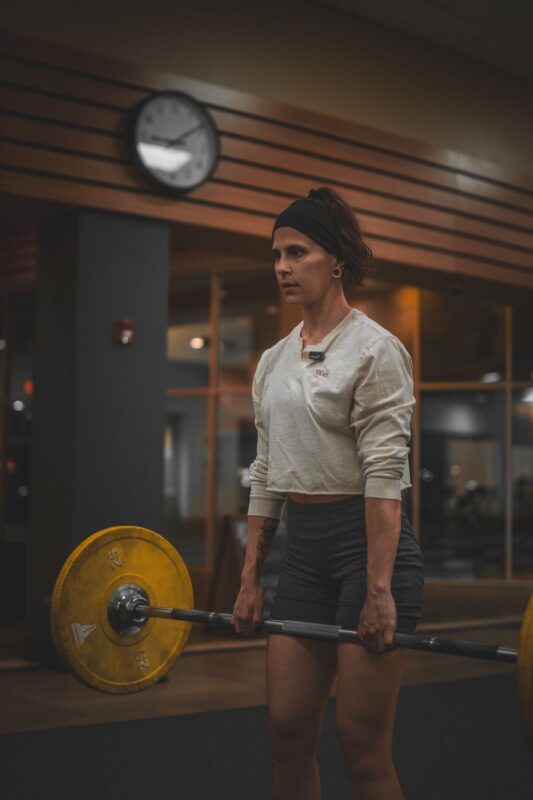
For a conventional deadlift, start with the bar over the middle of your feet, brace, take the slack out and push through the floor while keeping the bar close. Use a load that allows controlled repetitions; no technique guide can eliminate injury risk.
The deadlift is a powerful full-body exercise, but good deadlifting is about positioning and control rather than simply lifting the heaviest possible weight. A repeatable setup makes the movement easier to learn and progress.
A light first deadlift practice session
| Stage | Example | Check before progressing |
|---|---|---|
| Learn the hinge | 5–8 unloaded hip hinges | Hips move back without a squat or exaggerated back arch |
| Choose bar height | Light bar on full-size plates or suitable blocks | You can reach it without forcing an uncomfortable position |
| Rehearse | 3–5 sets of 3 easy repetitions | Reset and brace before every repetition |
| Review | Watch a side-angle recording if gym rules allow | Bar stays close; hips and shoulders begin rising together |
The empty bar can sit much lower than a normally loaded bar if small plates are used. Raising it on stable blocks can make the starting position easier to learn. This is a legitimate adjustment, not a test you have failed. If you cannot maintain a repeatable start, practise a kettlebell deadlift or a suitable trap-bar variation with coaching.
What to change when the pull feels wrong
If the bar drifts away, check that it starts over your midfoot and that you are not rolling it forward as you bend your knees. Think about keeping your arms long and drawing the bar close with your upper back. If your hips shoot up before the plates move, they may have been set artificially low; let your proportions determine the starting height.
If you finish by leaning backwards, stand tall instead. You do not need to drive your shoulders behind your hips. Lower by moving your hips back and letting your knees bend as the bar passes them. For learning, stop on the floor and rebuild the setup between repetitions rather than bouncing.
How to add load
Keep the same easy load until the setup is repeatable across all practice sets. Then make the smallest practical increase and check again. A sample working prescription after the learning phase is two sets of five with several repetitions left; it is a starting option, not a requirement to lift heavy immediately.
Grip fatigue, breathlessness and muscular effort can occur during training, but sharp pain, radiating symptoms, dizziness or an abrupt change in function are reasons to stop. Bracing and breath-holding need individual adjustment when medical circumstances make them unsuitable. A belt is optional equipment, not a substitute for learning the movement.
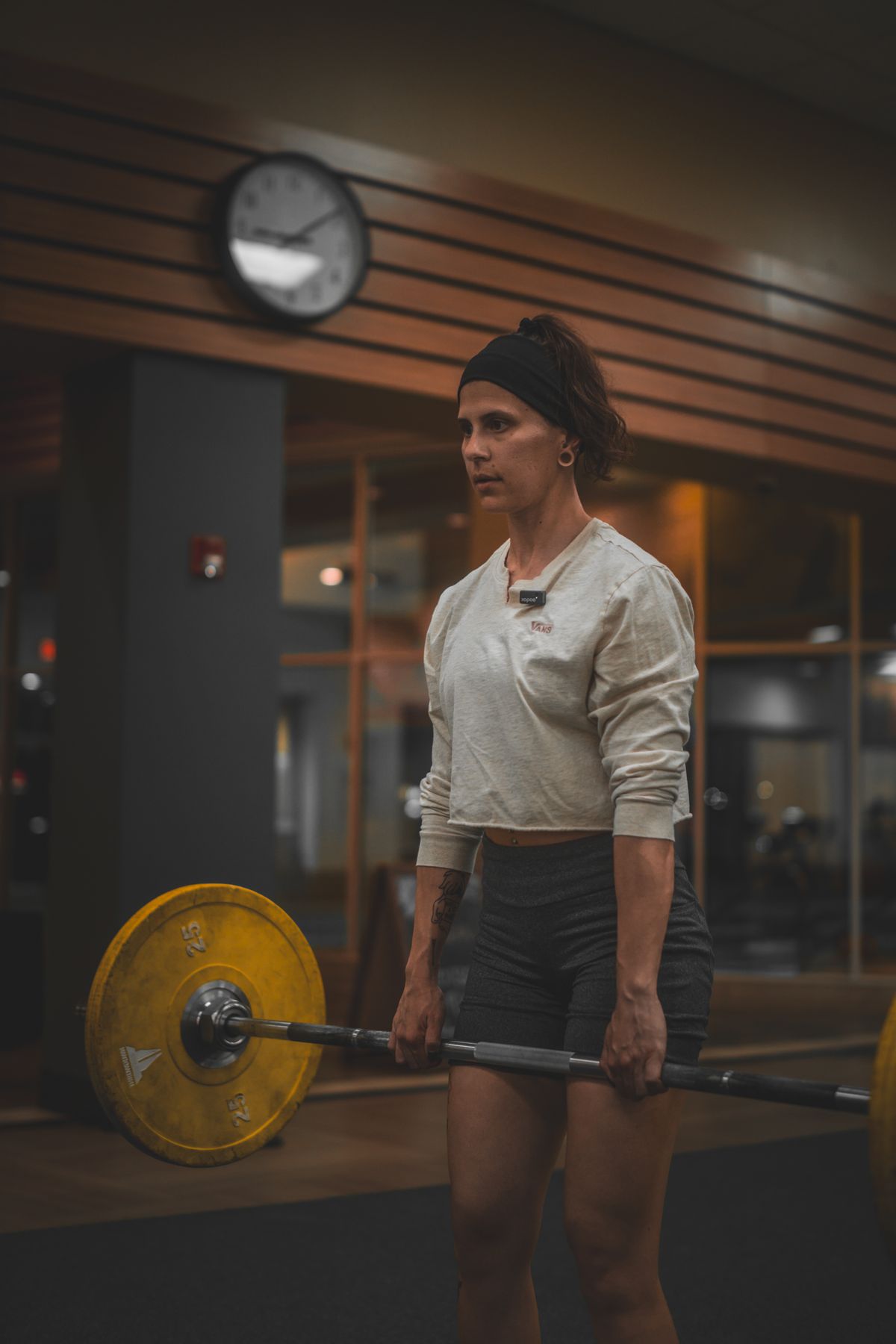
Deadlift Setup
Start with the bar positioned over the mid-foot. Hinge at the hips and bend the knees enough to reach the bar without losing control of your spine. The exact setup varies with limb length and anatomy.
Foot Position
A conventional stance is relatively narrow, while a sumo stance is wider. Choose the variation that fits your goals and feels stable.
Grip
Double-overhand is simple for learning. As loads increase, straps or another grip strategy can be useful depending on your goals. Grip should not become the limiting factor when the target is posterior-chain training.
Bracing
Take a breath, brace the trunk and create tension before pulling. Think about making your torso stable rather than trying to lift with your back.
The Pull
Push through the floor and keep the bar close to your body. Avoid jerking the bar from the floor. The hips and shoulders should rise in a coordinated way.
Lowering the Bar
Reverse the movement by pushing the hips back, then bend the knees as the bar passes them. Keep the bar close and avoid dropping it from a position where you cannot control it unless your equipment and gym allow it.
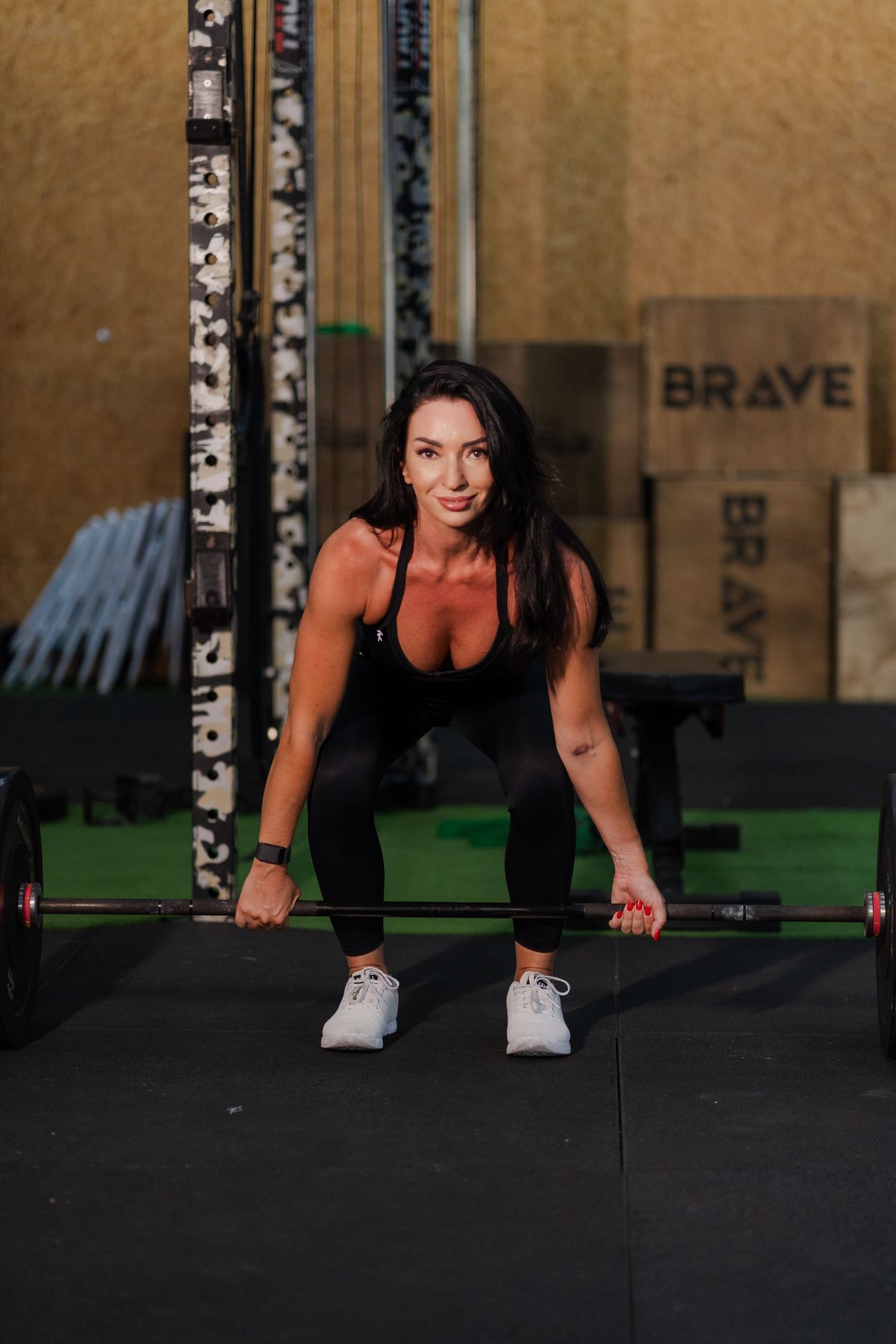
Progression
Start lighter than your maximum. Use sets of 3 to 8 or another manageable range and add small amounts of weight as technique remains consistent.
Common Mistakes
- Starting with the bar too far from the body.
- Jerking the weight from the floor.
- Rounding further as fatigue increases.
- Adding weight too quickly.
- Doing excessive deadlift volume.
Alternatives
Romanian deadlifts, trap-bar deadlifts and rack pulls can all be useful depending on the goal. You do not need conventional deadlifts simply because they are popular.
Warm-Up for Deadlifts
Use lighter sets to prepare for your working weight. The heavier the planned lift, the more gradual your ramp-up should be. You do not need dozens of warm-up repetitions. Reduce repetitions as the load increases.
How Much Deadlift Volume?
Deadlifts can create substantial fatigue, so more is not automatically better. A few high-quality working sets can be enough. If you also perform squats, Romanian deadlifts and leg curls, remember that your posterior chain is receiving work elsewhere.
Using Straps
Straps can allow you to train the target muscles without grip becoming the limiting factor. If grip strength is a separate goal, keep some double-overhand work or direct grip training in the programme.
Pain Versus Effort
Hard lifting can be uncomfortable, but persistent or worsening pain should not be ignored. If a movement repeatedly causes pain, stop forcing the exact variation and seek appropriate professional advice.
Recovering From Deadlifts
Sleep, protein and adequate calories support recovery. If your lower back and hamstrings are constantly fatigued, reduce total posterior-chain volume rather than adding more.
If you use equipment on heavy pulls, see whether a weightlifting belt can help, then check belt position for deadlifts before changing the load.
Practical Guide
Set up consistently, brace, keep the bar close and progress gradually. Use an alternative variation if it better suits your body or programme.
For a complete bodybuilding programme that includes posterior-chain training, see Olympian Sculpt.
Related guides
- Weightlifting Warm-Up: A Simple Set-by-Set Example
- RIR and RPE Explained: A Practical Effort Scale
- Rest Days and Recovery: Sleep, Soreness and Readiness
Further reading: ACSM resistance-training recommendations (2026). The worked programmes here are adjustable examples, not programmes tested in that publication.
This article provides general fitness education and is not individual medical or coaching advice.
SHOP OUR TOP GYM PRODUCTS
Heavy Washed Gothic Hoodie – Oversized Y2K Streetwear
Berserk Lever Belt – Anime Powerlifting Gym Belt
£84.99Original price was: £84.99.£69.99Current price is: £69.99.Dorian Yates Bodybuilding Oversized Gym T-Shirt
Milk Makes My Tummy Hurt T-Shirt – Funny Gym Pump Cover
Powerhouse Gym T-Shirt – Vintage Oversized Washed Cotton
Mr Olympia T-Shirt – Joe Weider Oversized Bodybuilding Tee
Mr Olympia Amateur Korea T-Shirt – Oversized Cotton Tee
Creatine Meme T-Shirt – Funny Gym Shirt for Men