



Back Workout: A Practical Plan for Lats and Upper Back
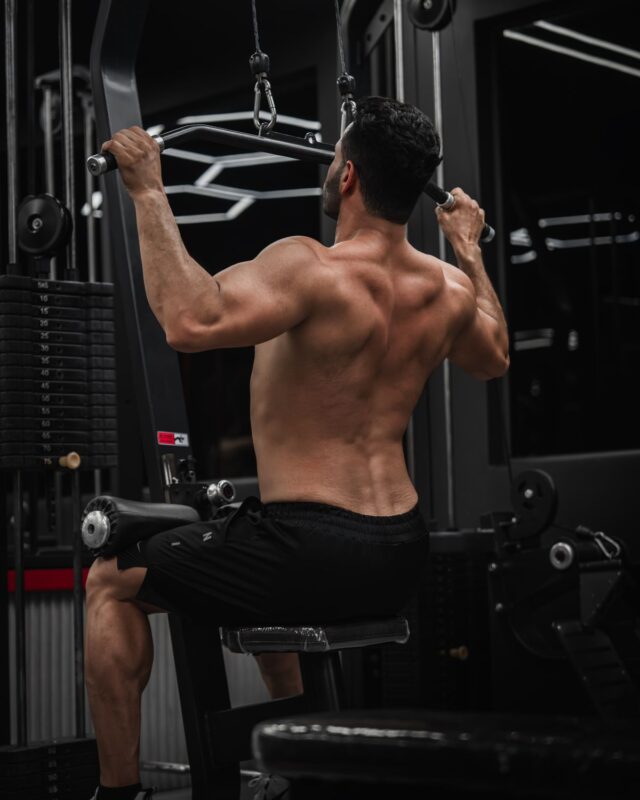
Use both a vertical pull and a row, with enough stability to train the intended muscles. More exercises do not automatically create a better back workout, especially when deadlifts and other pulling work are already in your week.
A bigger back changes the entire shape of your physique. Width from the lats, thickness through the upper back and stronger spinal and hip musculature all contribute to a more complete bodybuilding look. The mistake is thinking you need every row and pulldown in the gym. A small selection of exercises performed consistently can do far more.
This guide explains how to build a back workout around vertical pulls, rows, rear-delt work and sensible progression.
A compact back session when time is limited
| Exercise | Example working sets | Main check |
|---|---|---|
| Pulldown or assisted pull-up | 3 × 8–12 | Controlled pull without turning it into a large backwards swing |
| Chest-supported row | 3 × 8–12 | Stable torso and comfortable shoulder movement |
| Optional rear-delt fly | 2 × 12–20 | Light enough to avoid throwing the weights |
Use this shorter option in place of the full session below when appropriate. Keep about two repetitions available on the main movements and rest long enough to repeat performance. If you already train back again later in the week, include that work in the total.
Do you need a deadlift for back growth?
A deadlift trains a loaded hinge and challenges the trunk, but it is not interchangeable with a row or pulldown. If heavy hinges already appear on lower-body days, adding more to back day may create fatigue without solving a missing pulling pattern.
When the lower back limits a bent-over row, a supported variation can let you concentrate on pulling. When the biceps fatigue first, review load, technique and exercise order before adding more sets. Straps may reduce grip limitations for experienced users, but they do not change poor control into a useful repetition.
Track the same handle, machine and seat setting. Machine-stack numbers are not comparable across brands. Increase the load only when all planned sets meet the repetition target at a similar standard.
Back Muscles
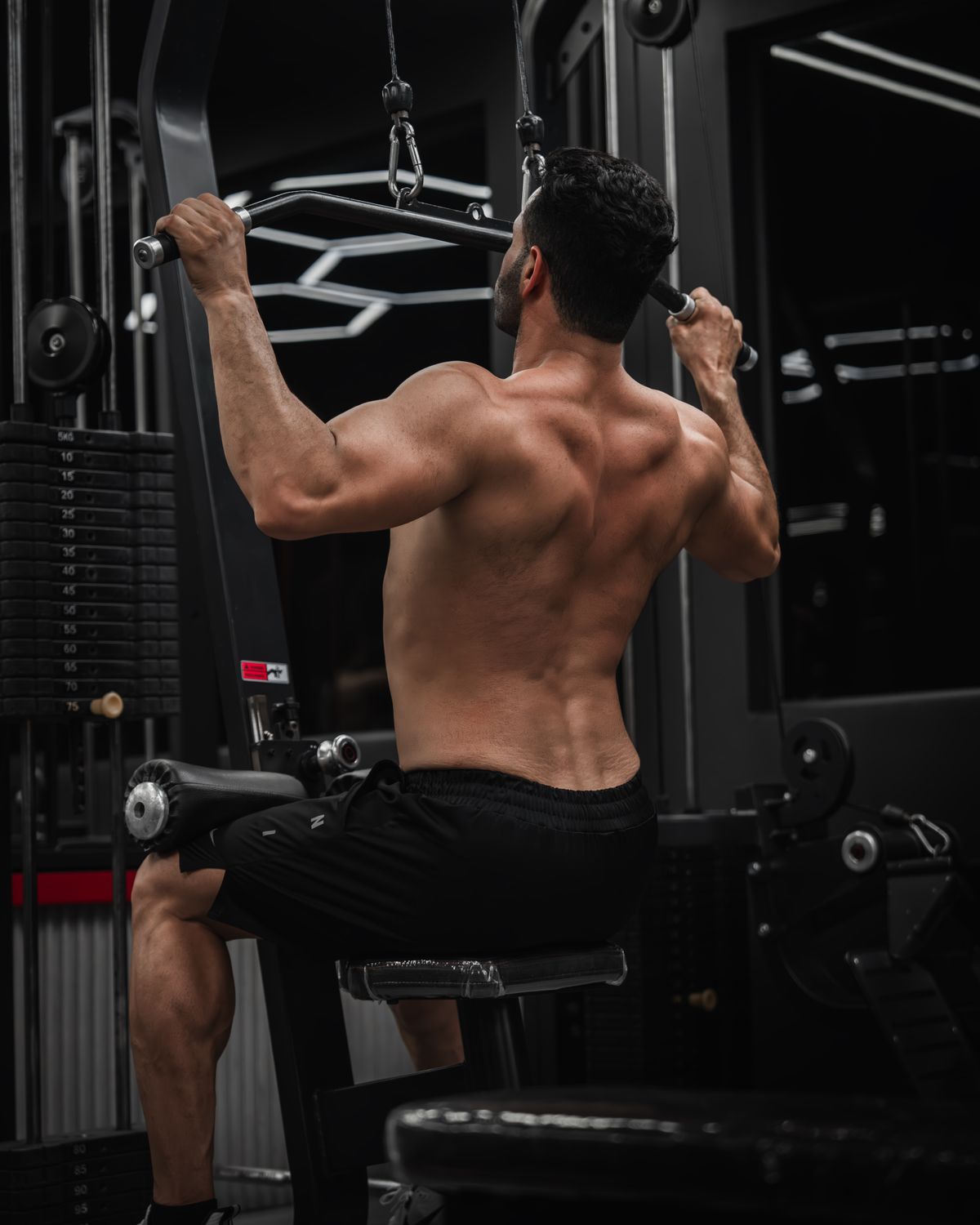
The back is a collection of muscles rather than one single target. The latissimus dorsi contributes to the width of the torso, while the trapezius, rhomboids and other upper-back muscles contribute to thickness and scapular movement. The spinal erectors also work during many compound movements.
A balanced workout therefore needs both vertical pulling and horizontal rowing. Direct rear-delt work can complement these movements, while deadlift and hip-hinge variations add additional posterior-chain work.
Training for Back Width
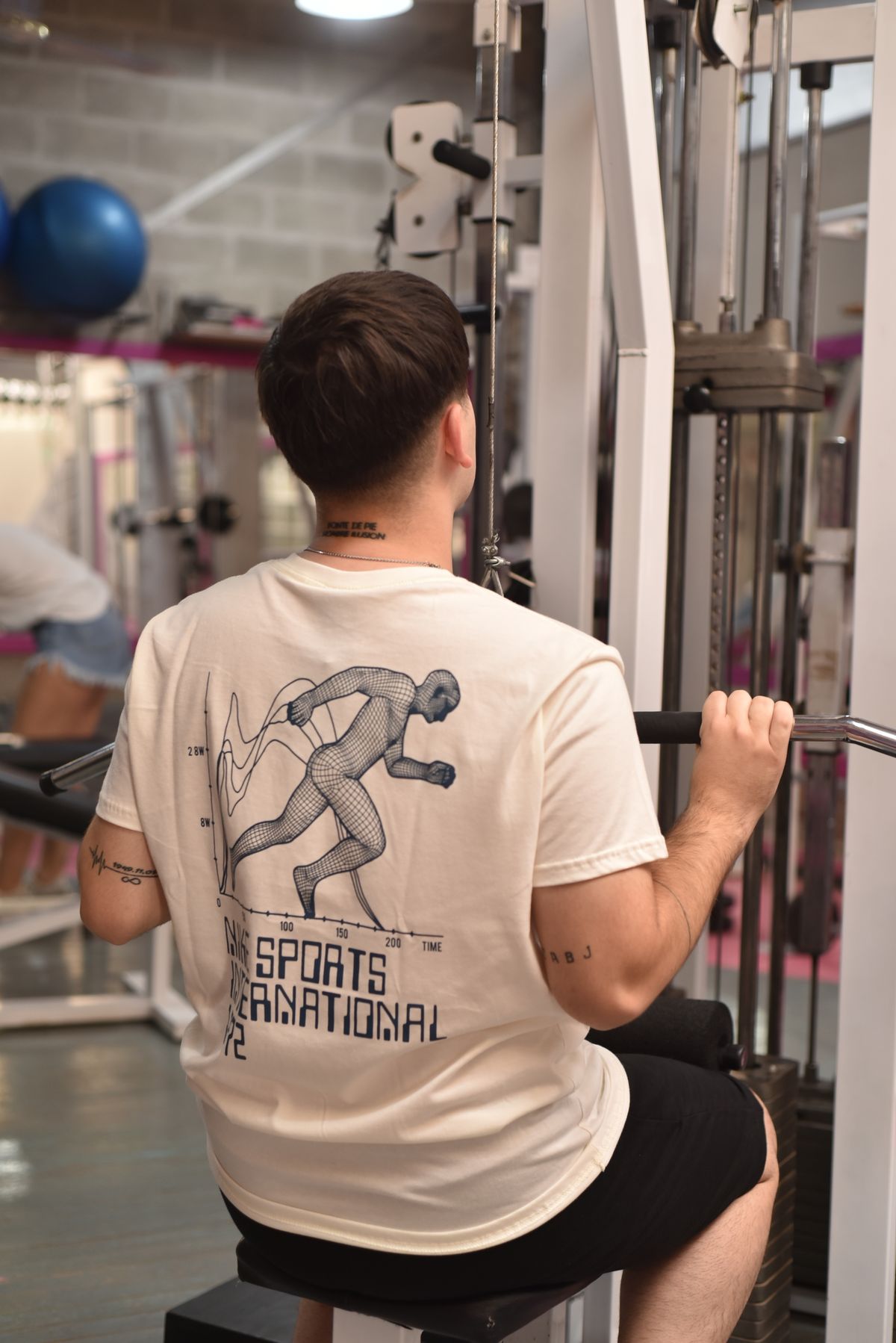
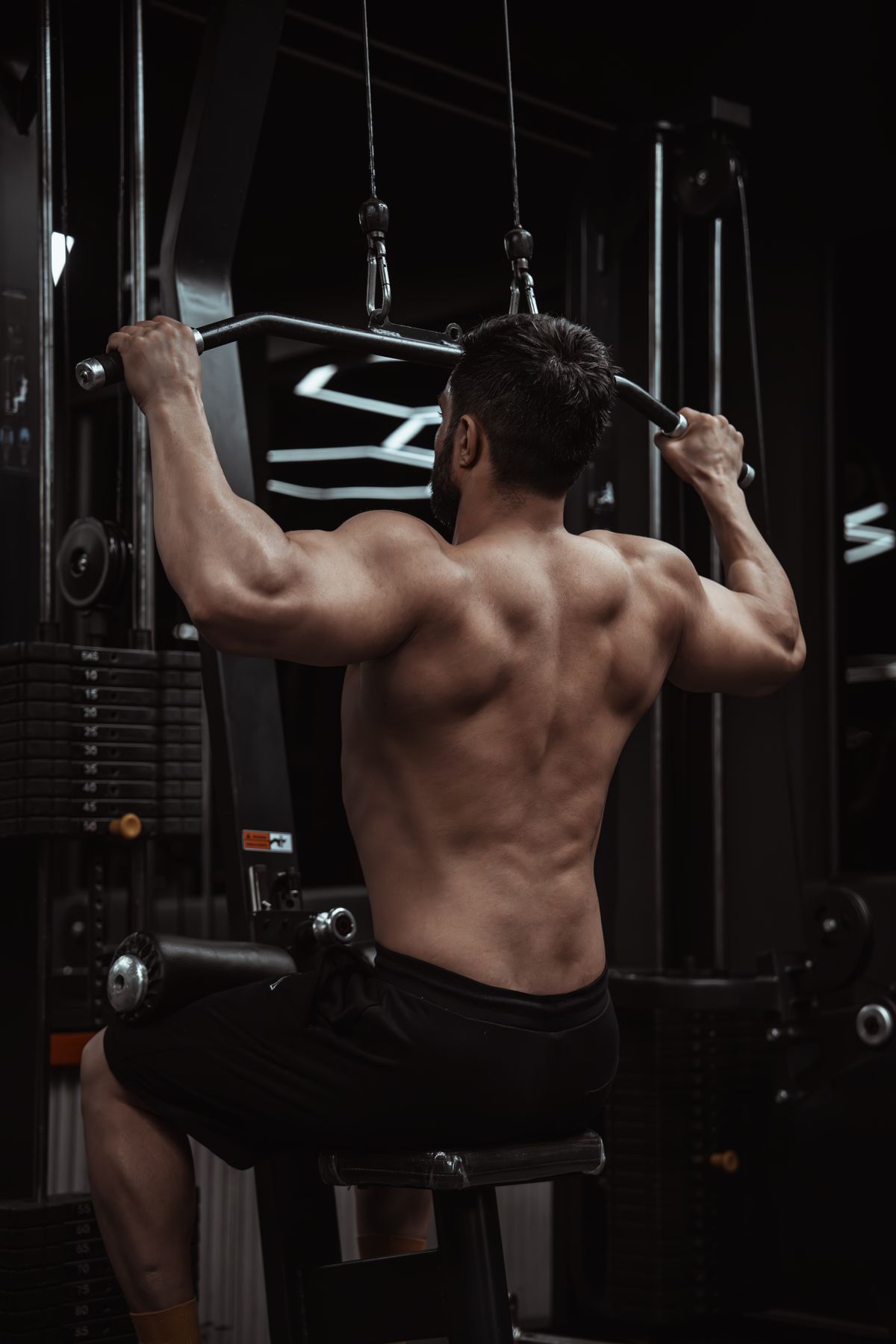
Pull-ups and lat pulldowns are practical choices for training the lats through a vertical pull. Use a grip that lets you move comfortably and control the weight. You do not need to pull the bar behind your neck or swing your body to make the set harder.
Think about driving the elbows down and back rather than simply moving the hands. Keep the torso stable and use a range of motion you can repeat from session to session.
Training for Thickness
Rows train the upper and middle back through horizontal pulling. Chest-supported rows, cable rows and one-arm dumbbell rows are all useful. If bent-over rows fatigue your lower back before your upper back, a supported variation may be a better choice.
Complete Back Workout
- Lat pulldown or pull-up: 3 sets of 6 to 10.
- Chest-supported row: 3 sets of 8 to 12.
- Seated cable row: 2 sets of 8 to 12.
- Single-arm cable or dumbbell row: 2 sets of 10 to 15.
- Rear-delt machine or reverse fly: 3 sets of 12 to 20.
- Optional straight-arm pulldown: 2 sets of 12 to 15.
This is a starting structure. If your back already receives significant work from deadlifts and other compound movements, you may need less direct volume.
Sets and Reps
Most back exercises can be trained effectively across a broad repetition range. Six to twelve repetitions works well for many rows and pulldowns, while rear-delt and cable isolation exercises can use 10 to 20 repetitions. Use enough rest to perform quality sets.
Back Training Technique
One of the biggest mistakes is turning every back exercise into a movement of the lower back and arms. Keep your torso reasonably stable and control the eccentric portion. The weight should move because the target muscles are producing force, not because you are throwing your body around.
Do not obsess over squeezing the shoulder blades on every lat movement. The scapula naturally moves during pulling. Focus on a comfortable range and consistent execution.
Progressive Overload
Record your working sets. If you can perform 10, 10 and 9 repetitions with a weight this week and eventually reach 12, 12 and 12, you have progressed. Increase the load slightly and repeat the process.
Progress can also mean better range of motion or more controlled repetitions. You do not need to add weight every week.
Common Mistakes
- Using momentum to move heavy rows.
- Doing only pulldowns and no rowing.
- Changing exercises constantly.
- Ignoring rear delts and upper back.
- Using a grip that is uncomfortable.
- Adding volume without considering recovery.
Training Frequency
Training the back twice per week can work very well because volume can be distributed. One session can emphasise lats and vertical pulling, while another emphasises rows and upper-back work. Remember that biceps and rear delts also receive indirect work.
Nutrition for Back Growth
Back growth requires the same fundamentals as any other muscle. Eat sufficient protein, enough calories for your goal and enough carbohydrate to support hard training. Sleep and recovery matter just as much as exercise selection.
Does Grip Change Back Training?
Grip can change how an exercise feels, but there is no single grip that must be used. A neutral grip may feel comfortable on pulldowns and rows, while a wider or narrower grip can change the path of the elbows. Choose the position that lets you train hard without irritating your shoulders, wrists or elbows.
Do not allow grip variations to become an excuse to change exercises every week. Pick a few useful variations and keep them long enough to measure progress.
Managing Biceps Fatigue
Your biceps contribute to many pulling exercises. If your biceps always fail before your back, check your technique, grip and exercise selection. A controlled movement can make it easier to keep the emphasis on the back. Direct biceps training should also be considered when planning total weekly arm volume.
Where Do Deadlifts Fit?
Deadlifts and other hip hinges can build the posterior chain and contribute to overall back strength, but they are not mandatory for lat development. If conventional deadlifts create substantial fatigue, you can use Romanian deadlifts, hip hinges or machine work elsewhere in the programme.
The best exercise is the one that fits your goals and recovery. If you already perform heavy leg and posterior-chain training, your back workout may not need additional maximal deadlifting.
Use a Training Log
Back exercises can be difficult to judge by feel alone. Record the weight, repetitions and sets. Over several weeks, you should be able to see whether the same exercises are becoming stronger. This makes it much easier to decide when a change is actually needed.
Example Weekly Structure
On a four-day upper-lower programme, an upper session could use three sets of pulldowns, three sets of chest-supported rows and two sets of rear delts. The second upper session could use pull-ups, cable rows, a single-arm row and additional rear-delt work. Chest pressing and direct arm work complete the sessions.
If you prefer a push-pull-legs structure, put most back work on pull days and manage biceps volume around it.
Final Plan
Build your back training around a vertical pull, a supported or stable row, additional rowing or lat work and direct rear-delt training. Track your performance and give the programme time to work.
For a complete bodybuilding structure, check out Olympian Sculpt or start with the free 7 Gym Commandments.
Related guides
- How to Get Your First Pull-Up: An 8-Week Practice Plan
- How to Deadlift: Setup, Technique and Beginner Progression
- Arm Workout: Biceps, Triceps and Weekly Volume
- How to Build Bigger Traps: Exercises and a Two-Day Plan
Further reading: ACSM resistance-training recommendations (2026). The worked programmes here are adjustable examples, not programmes tested in that publication.
This article provides general fitness education and is not individual medical or coaching advice.
SHOP OUR TOP GYM PRODUCTS
Men’s Quick-Dry Gym Shorts – Muscle-Fit Training Shorts
Mr Olympia Amateur Korea T-Shirt – Oversized Cotton Tee
Powerhouse Gym T-Shirt – Vintage Oversized Washed Cotton
Powerhouse Gym Cap – Classic Denim Unisex Bodybuilding Hat
£26.99Original price was: £26.99.£15.99Current price is: £15.99.Berserk Lever Belt – Anime Powerlifting Gym Belt
£84.99Original price was: £84.99.£69.99Current price is: £69.99.Smart Body Composition Scale – Bluetooth LCD Fitness Tracker
£38.99Original price was: £38.99.£29.99Current price is: £29.99.Creatine Meme T-Shirt – Funny Gym Shirt for Men
Mr Olympia Winter Hat – Thermal Bodybuilding Beanie
£28.99Original price was: £28.99.£21.99Current price is: £21.99.