



Shoulder Workout: Presses, Lateral Raises and Rear Delts
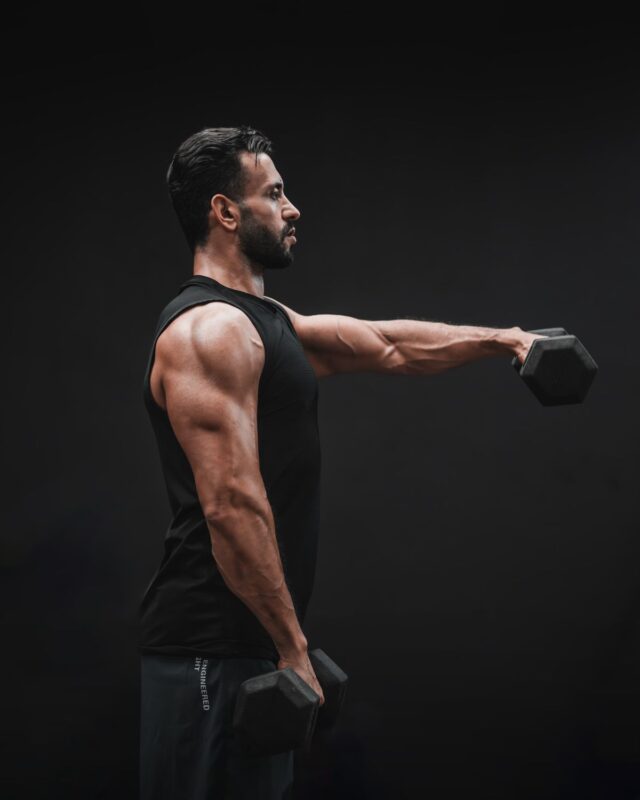
A shoulder programme can use overhead pressing, lateral raises and rear-delt work, but your chest presses already train the front delts. Adjust the direct work to fit the whole week.
Building wider shoulders is one of the easiest ways to change the look of your physique, but a good shoulder workout is not simply a long list of raises and presses. The deltoids work alongside the chest, triceps and upper back, so the best programme balances compound pressing with direct work for the side and rear delts.
This guide explains how to train all three heads of the shoulder, how many sets and reps to use, how to progress and how to avoid the mistakes that can slow shoulder development.
Choose shoulder work by what your programme already contains
| Existing training | Possible adjustment | Example |
|---|---|---|
| Plenty of chest pressing | Prioritise lateral and rear-delt accessories | 2 sets each after upper-body work |
| Little overhead practice and you want it | Add a comfortable press before accessories | 2–3 controlled working sets |
| Overhead position is uncomfortable | Use a tolerable alternative and seek help for persistent pain | Do not force a particular dumbbell path |
| Recovery declines | Trim overlapping pressing before adding more raises | Review chest and shoulder days together |
These are ways to organise a programme rather than diagnostic rules. No single exercise is essential for every shoulder. A seated dumbbell press, machine press or another suitable variation may fit different people.
Progress raises without turning them into a different lift
Use a load you can move through a comfortable range without large body swings. Small muscles and long lever arms make even a small dumbbell increase noticeable. Build repetitions first or use a cable with smaller increments where available.
Rear-delt work should not become a heavy row by accident. Choose a stable setup and keep the intended movement consistent. Track the setup as well as load, particularly when using a reverse-fly machine.
If you train shoulders after a demanding chest session, expect different numbers from a fresh shoulder day. Compare like with like. Persistent pain or a loss of function needs individual assessment instead of another generic shoulder circuit.
Understanding the Three Deltoid Heads
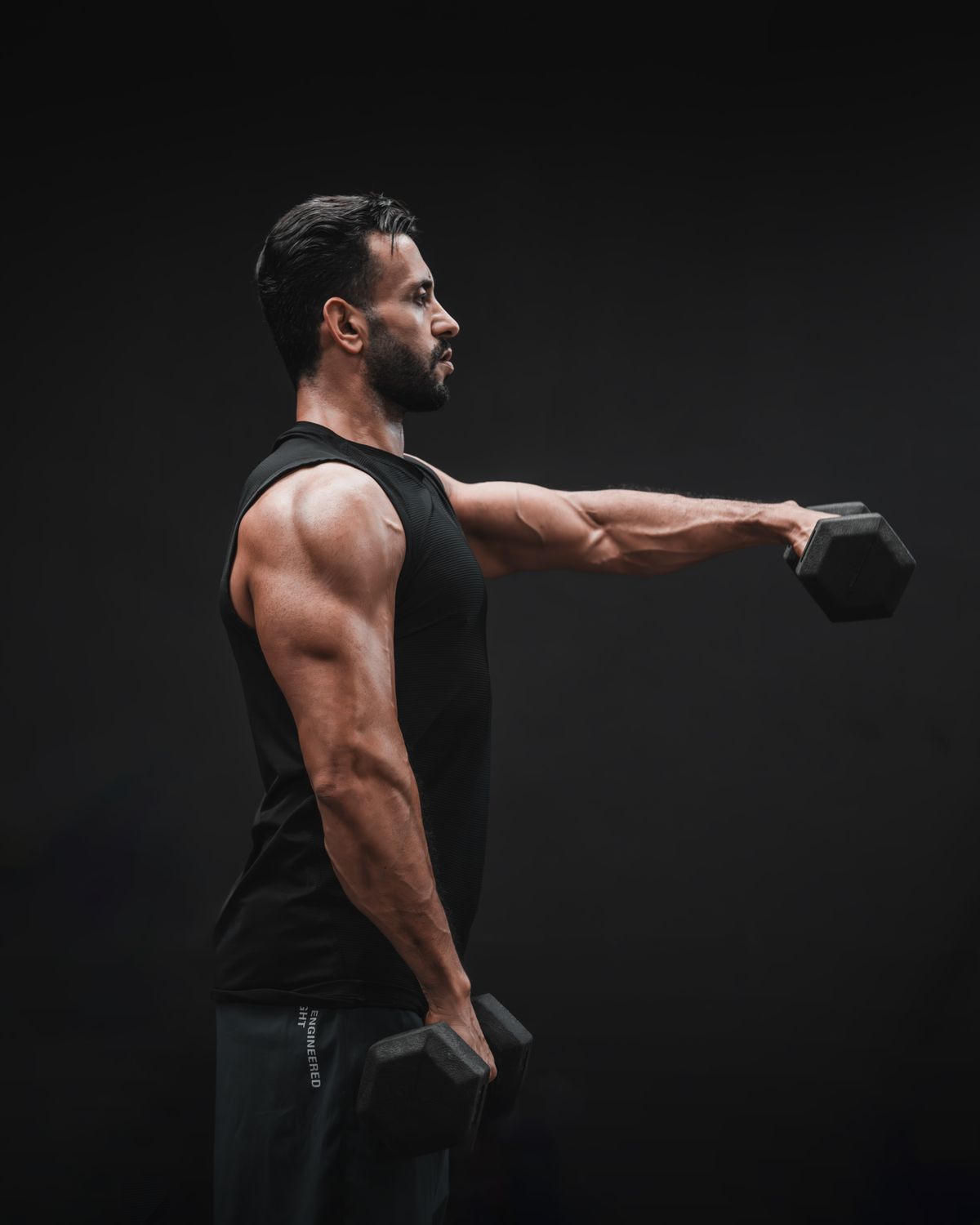
The deltoid has three main portions. The anterior or front delt contributes to pressing movements, the lateral or side delt helps create shoulder width, and the rear delt contributes to shoulder movement and horizontal pulling. A balanced bodybuilding programme should give all three areas appropriate work.
Front delts already receive significant stimulus from bench pressing and incline pressing. For many lifters, direct lateral and rear-delt work therefore deserves more attention than simply adding more front raises.
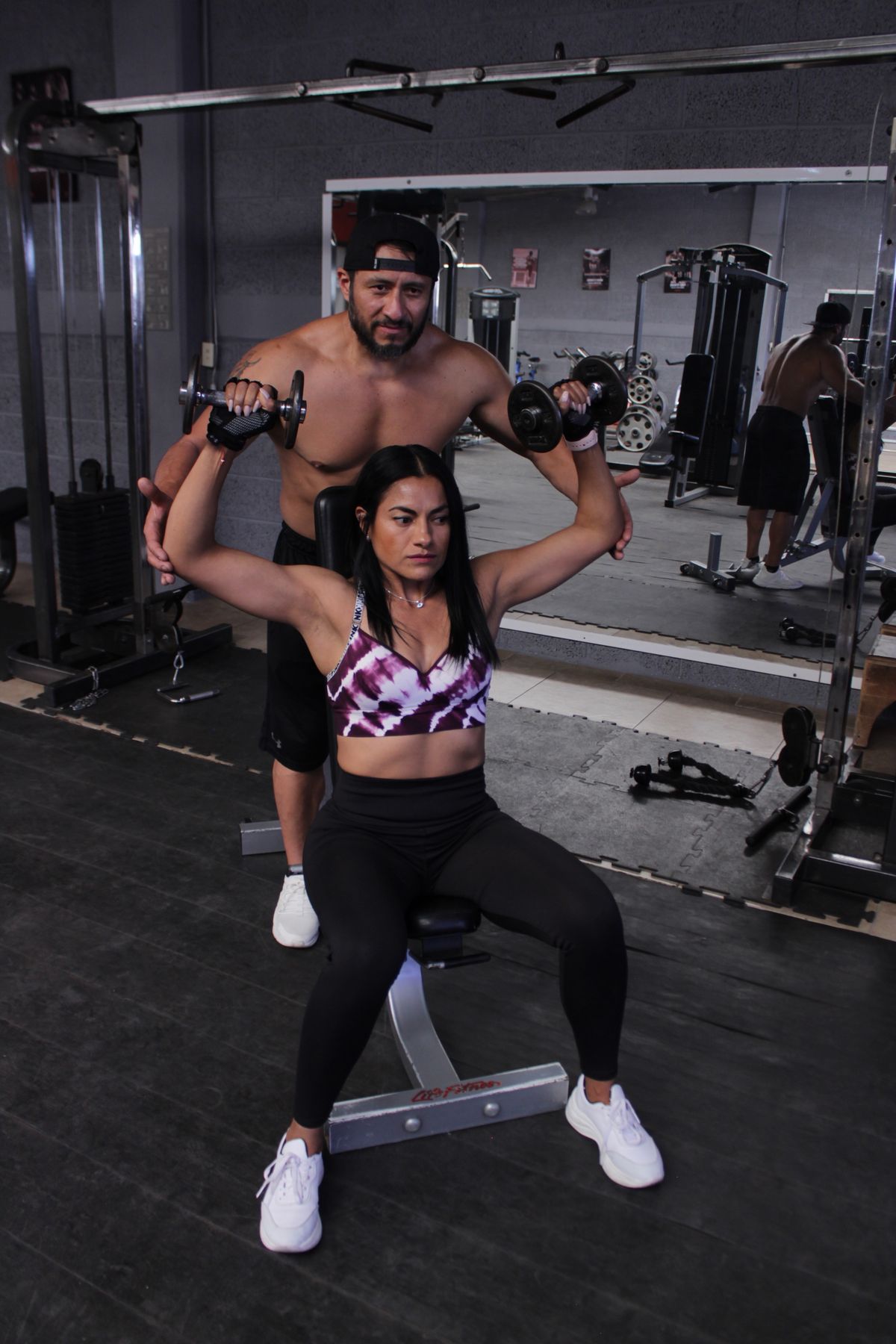
Shoulder Pressing
Overhead pressing is an efficient compound exercise for the shoulders and triceps. Dumbbells, barbells and machines can all work. Choose the version that allows a stable setup and a comfortable range of motion.
You do not need to turn every shoulder press into a maximum-strength test. Keep your torso controlled, avoid excessive momentum and use a load that lets you repeat the same technique. If a machine press feels better than a barbell, there is no bodybuilding rule saying you must use the barbell.
Lateral Raises
Lateral raises are one of the most useful direct exercises for the side delts. Dumbbells, cables and machines can all be effective. The important point is to make the target muscle do the work rather than swinging a heavy weight upward.
Use a controlled repetition, keep your shoulders comfortable and avoid turning the movement into a shrug. A lighter weight with consistent repetitions is often more productive than a heavier weight that forces your whole body to move.
Rear-Delts
Rear delts are often neglected because they are harder to see in the mirror. Reverse flyes, rear-delt machines and cable movements are simple ways to train them. Rows also contribute, but direct rear-delt work can be useful when balanced shoulder development is a priority.
Complete Shoulder Workout
- Seated dumbbell shoulder press: 3 sets of 6 to 10 reps.
- Cable or dumbbell lateral raise: 3 sets of 10 to 15 reps.
- Machine lateral raise: 2 sets of 12 to 20 reps.
- Reverse fly or rear-delt machine: 3 sets of 10 to 20 reps.
- Cable rear-delt fly: 2 sets of 12 to 20 reps.
This gives you a sensible balance between compound pressing and direct delt work. If your front delts already receive a lot of work from chest training, you can reduce pressing volume and put more effort into lateral and rear-delt movements.
Sets, Reps and Rest
There is no single perfect shoulder volume. Beginners can make progress with relatively little direct work, while experienced lifters may require more. Start with a manageable workload and monitor performance. Around 6 to 10 repetitions can work well for presses, while 10 to 20 repetitions are practical for raises and rear-delt exercises.
Rest long enough to perform the next set properly. Heavy presses may benefit from two or three minutes, while lateral raises may need considerably less. Do not rush a set simply because the exercise looks small.
How to Progress
Use a training log. If you perform lateral raises for 12, 11 and 10 repetitions with a particular load, aim to gradually increase those numbers. Once you reach the top of your chosen range with good technique, increase the load slightly.
Progress can also come from better control and range of motion. If you previously used momentum to perform 15 repetitions and can now perform 12 controlled repetitions with the same load, your training quality has improved even though the number is lower.
How Often to Train Shoulders
Most lifters do not need a huge shoulder day every day. Shoulders can receive indirect work from bench pressing, incline pressing, rows and other upper-body exercises. Two exposures per week can be useful when volume is distributed sensibly.
For example, you might perform shoulder pressing and lateral raises on a push day, then add rear-delt and lateral work during an upper or pull session. This can be easier to recover from than putting every shoulder set into one marathon workout.
Common Shoulder Training Mistakes
- Using excessive weight on lateral raises.
- Training front delts heavily despite already doing lots of pressing.
- Ignoring rear delts.
- Turning raises into shrugs with momentum.
- Changing exercises before tracking progression.
- Training shoulders hard while ignoring recovery.
Nutrition and Recovery
Shoulder growth follows the same basic principles as other muscle growth. Eat enough protein, provide enough calories for your goal and recover between hard sessions. A practical protein target for many resistance-trained adults is around 1.6 to 2.2 grams per kilogram of body weight per day.
If muscle gain is the priority, a modest calorie surplus can help. If fat loss is the goal, maintain resistance training and use a sensible calorie deficit. Sleep is also important because poor recovery can make progressive training harder.
If you want a complete bodybuilding structure rather than building individual workouts yourself, check out The Gym Pro’s Olympian Sculpt bodybuilding blueprint. You can also start with the free 7 Gym Commandments for practical training principles.
Which Delt Should You Prioritise?
If your shoulders look narrow despite having a reasonable amount of muscle, the lateral delts are often the first area to examine. They contribute substantially to the visual width of the upper body. That does not mean you should stop training the front and rear delts. It means you can give lateral raises more attention while keeping the rest of your programme balanced.
If your shoulders look flat from the side or your upper back lacks detail, rear-delt work may deserve more attention. Use reverse flyes or a rear-delt machine consistently for several weeks rather than changing movements every workout.
Exercise Order Matters
Put the muscle you want to prioritise earlier in the session. If shoulder strength is the main goal, start with pressing. If side-delt growth is the priority and your shoulders already receive pressing elsewhere, you can begin with lateral raises before moving to a machine press.
Should You Train Shoulders to Failure?
You can build muscle without taking every set to complete failure. Many lifters can make excellent progress by stopping when one or two good repetitions remain, particularly on pressing movements. Smaller isolation exercises can be taken closer to failure because they generally create less whole-body fatigue.
Example Weekly Structure
On a four-day upper-lower programme, you could use three sets of shoulder press and three sets of lateral raises on the first upper session, then two or three sets of lateral raises and three sets of rear-delt work on the second upper session. Chest pressing will add additional front-delt stimulus.
This approach spreads the workload and gives you several opportunities to train the delts without creating one extremely long shoulder workout.
Related guides
- Chest Workout for Muscle Growth: Sets, Reps and Options
- Arm Workout: Biceps, Triceps and Weekly Volume
- Sets Per Muscle Per Week: Count and Adjust Your Volume
- How to Build a V-Taper: Back and Shoulder Training Plan
Further reading: ACSM resistance-training recommendations (2026). The worked programmes here are adjustable examples, not programmes tested in that publication.
This article provides general fitness education and is not individual medical or coaching advice.
SHOP OUR TOP GYM PRODUCTS
Heavy Washed Gothic Hoodie – Oversized Y2K Streetwear
Berserk Muscle-Fit Gym T-Shirt – Anime Workout Tee
Samurai Weightlifting Belt – Japanese Calligraphy Gym Belt
Joe Weider 1965 Mr Olympia T-Shirt – Oversized Pump Cover
£30.99Original price was: £30.99.£21.99Current price is: £21.99.Muscle Duke Gym Belt – Powerlifting Belt for Men and Women
Kevin Levrone Uncrowned T-Shirt – Cotton Gym Pump Cover
Berserk Lever Belt – Anime Powerlifting Gym Belt
£84.99Original price was: £84.99.£69.99Current price is: £69.99.Mr Olympia Hoodie – 2020 Zip-Up Bodybuilding Jacket