


Protein for Muscle Growth: Daily Targets and Meal Examples
For many healthy adults who lift, around 1.6 grams of protein per kilogram of body weight per day is a useful starting target. The often-used 1.6–2.2 g/kg range offers flexibility; reaching the upper end is not compulsory.
Protein is one of the most important parts of a muscle-building diet, but fitness advice often makes protein intake sound more complicated than it needs to be. You do not need to eat chicken and protein shakes every hour. You need a consistent daily intake that supports resistance training and fits your diet.
This guide explains how much protein you may need to build muscle, how to spread it across meals, which foods are useful, whether protein powder is necessary and how protein fits into a wider bodybuilding diet.
Calculate the daily range
| Body weight | At 1.6 g/kg | At 2.2 g/kg |
|---|---|---|
| 60 kg | 96 g | 132 g |
| 70 kg | 112 g | 154 g |
| 80 kg | 128 g | 176 g |
| 90 kg | 144 g | 198 g |
A meta-analysis by Morton and colleagues found the average benefit for fat-free-mass gains levelled off around 1.6 g/kg/day. That is a population estimate, not an exact personal threshold or evidence that everyone needs 2.2 g/kg.
Turn a target into meals
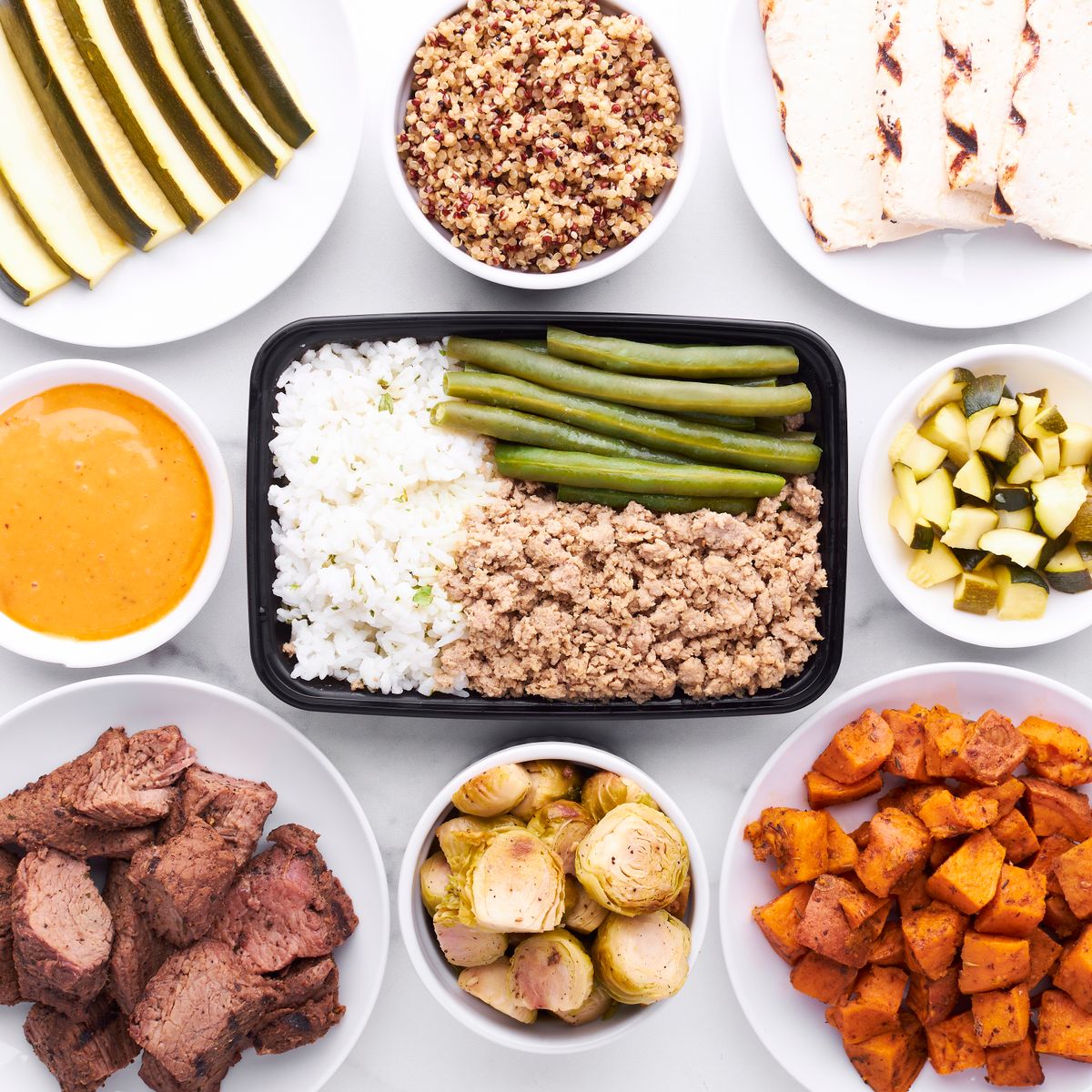
For an 80 kg reader starting near 128 g/day, four meals averaging about 32 g each make the arithmetic simple. Meals do not have to be identical. Use the amount on the food label for the portion you actually eat, and distinguish dry from cooked weights.
Protein powder can fill a practical gap, but it is not required when food already supplies enough. Mix sources you enjoy, including suitable dairy, eggs, fish, meat, tofu, beans or other plant foods. Consider the whole diet rather than replacing carbohydrate, vegetables and fats with protein products.
Body-weight formulas need individual interpretation at very high body weights and in clinical circumstances. People with kidney disease or other dietary restrictions should follow personalised advice instead of applying this bodybuilding range automatically.
Why Protein Matters for Muscle Growth
Muscle tissue is constantly being broken down and rebuilt. Resistance training increases the demand for repair and adaptation, while dietary protein supplies amino acids needed for muscle protein synthesis. Training without adequate protein can make it harder to maximise muscle growth.
Protein is not a magic ingredient. If your training is inconsistent, your total calorie intake is inappropriate or your recovery is poor, simply adding more protein will not solve everything. Think of protein as one part of the complete muscle-building system.
How Much Protein Do You Need?
For many adults who perform resistance training, around 1.6 to 2.2 grams of protein per kilogram of body weight per day is a practical target. Some people may do well near the lower end, while those dieting aggressively or with specific goals may prefer the upper end.
More is not automatically better. Once your overall intake is sufficient, pushing protein dramatically higher can make it harder to fit enough carbohydrate and fat into your diet.
Calculating Protein From Body Weight
Multiply your body weight in kilograms by your chosen protein target. Someone weighing 80 kg using 1.8 grams per kilogram would aim for roughly 144 grams per day. You do not need to hit the number exactly every day. Consistency across weeks matters more than perfection on one day.
How to Spread Protein Across the Day
Instead of eating almost all your protein in one meal, divide it across three to five meals. This makes the target easier to reach and gives you several opportunities to consume high-quality protein foods. Breakfast, lunch, dinner and one or two snacks can work well.
A meal containing 25 to 45 grams of protein can be a useful practical range for many people, although the ideal amount depends on body size and total daily intake.
Best High-Protein Foods
Animal Sources
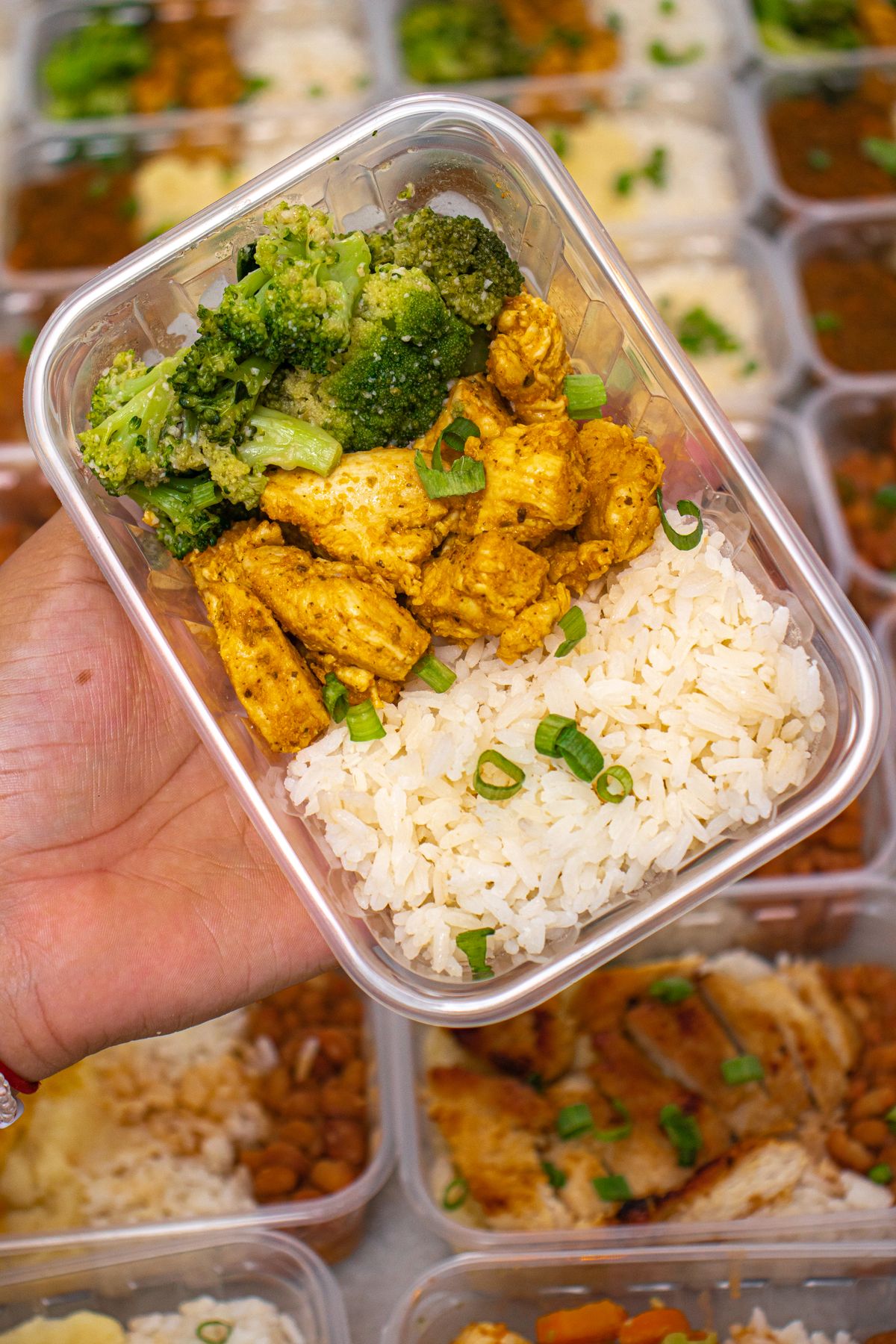
Chicken, turkey, lean beef, fish, eggs, Greek yoghurt, cottage cheese, milk and other dairy foods can provide substantial protein. They are easy to combine with rice, potatoes, oats, fruit and vegetables to create complete meals.
Plant Sources
Beans, lentils, tofu, tempeh, peas, soy foods and higher-protein grains can contribute significantly. If you follow a plant-based diet, using a variety of protein sources across the day can make it easier to obtain enough essential amino acids.
Do You Need Protein Powder?
No. Protein powder is a convenience food rather than a requirement for muscle growth. Whey protein can be useful when you are short on time or struggle to reach your daily target through normal meals. A shake can also be convenient after training, but there is no special need to consume it immediately after your final repetition.
Does Protein Timing Matter?
Total daily protein is more important than obsessing over a narrow post-workout window. Having protein in the hours around training is sensible, but the bigger priority is reaching your overall daily target consistently.
Protein, Calories and Muscle Gain
Building muscle usually requires enough total energy. If you are consistently eating fewer calories than you use, gaining body weight and maximising muscle growth becomes more difficult. A small calorie surplus can support gradual weight gain while limiting unnecessary fat gain.
Carbohydrates also matter because they support training performance. Do not replace most of your carbohydrate intake with protein simply because protein has a bodybuilding reputation.
Protein During Fat Loss
When dieting to lose body fat, maintaining sufficient protein becomes especially useful because resistance training and protein intake can help preserve lean mass. Keep lifting and choose a sensible calorie deficit rather than trying to lose weight as quickly as possible.
Protein and Resistance Training
Protein works best alongside progressive resistance training. Use a structured gym workout plan, track your lifts and gradually increase the training demand. The Gym Pro’s bodybuilding resources are designed around this combination of training, diet and recovery.
Common Protein Mistakes
- Thinking more protein automatically means more muscle.
- Ignoring total calories and carbohydrates.
- Relying on shakes instead of a varied diet.
- Trying to hit an exact number every day.
- Neglecting resistance training and recovery.
- Choosing expensive products when ordinary foods would work.
Example High-Protein Day
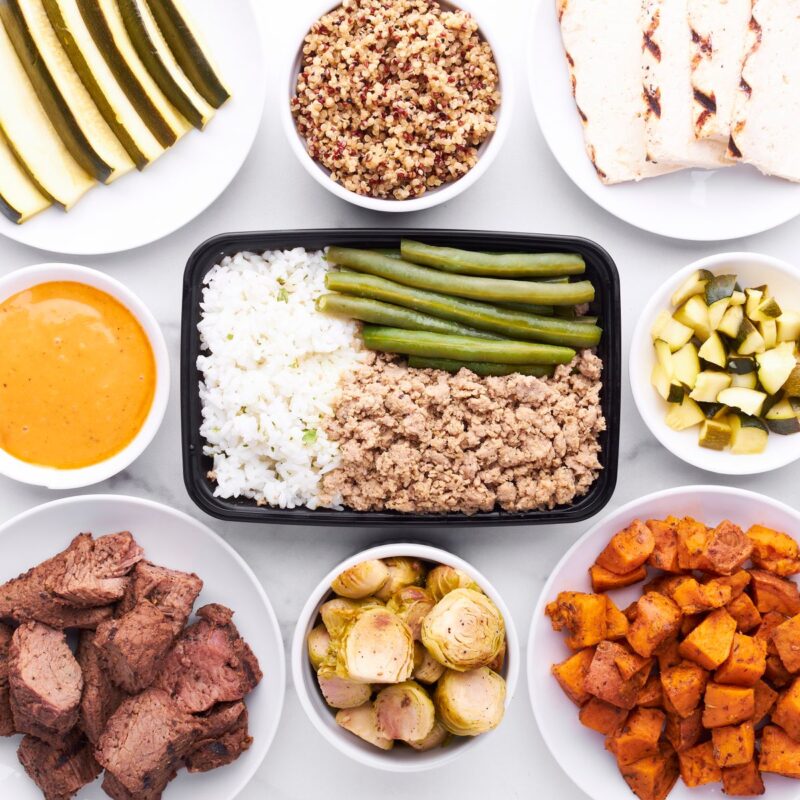
Breakfast could contain eggs, Greek yoghurt and oats. Lunch might be chicken, rice and vegetables. A snack could be cottage cheese and fruit or a whey shake. Dinner could be lean beef or fish with potatoes and vegetables. The exact foods do not matter as much as meeting your overall nutritional needs.
Protein Distribution in Real Life
Hitting a daily protein target becomes easier when you stop treating it as one large number. Divide the target between breakfast, lunch, dinner and one or two snacks. If your target is 160 grams, for example, four meals containing roughly 35 to 45 grams each can get you close without requiring constant calculations.
Your meals do not need identical amounts. A larger dinner and smaller breakfast can still work. The useful principle is to include a meaningful protein source whenever you eat rather than leaving the entire target until the end of the day.
Protein Quality and Variety
Different foods provide different combinations of amino acids and digestibility. Dairy, eggs, meat and fish are convenient high-quality protein sources, while beans, lentils, tofu, tempeh and other plant foods can also contribute significantly. A varied diet makes it easier to obtain the nutrients you need alongside protein.
If most of your protein comes from plant foods, combining different sources across the day can be useful. You do not need to create complicated food combinations at every meal. Variety over the course of the day is a practical way to cover your nutritional needs.
Getting Enough Protein on a Budget
High protein does not have to mean expensive food. Eggs, milk, Greek yoghurt, cottage cheese, canned tuna, beans, lentils, chicken thighs and supermarket-brand protein foods can all be useful. Buying larger packs when practical and preparing meals at home can also reduce the cost per serving.
Protein powder can be convenient, but compare its cost per serving with ordinary foods. If you already enjoy normal protein-rich meals, there is no requirement to add multiple shakes simply because you are training.
Protein Before and After Training
There is no need to panic if you cannot eat immediately after your final set. Total daily protein is the bigger priority. Having a protein-containing meal within a reasonable period before or after training is practical, especially if several hours will pass before your next meal.
A shake can be useful when convenience matters, but a normal meal containing protein and carbohydrate is equally capable of supporting your diet. Think about the whole day rather than a narrow anabolic window.
When Should You Increase Protein?
If your current intake is already around 1.6 to 2.2 grams per kilogram per day, increasing it dramatically is unlikely to be the missing ingredient behind stalled muscle growth. Review training quality, total calories, sleep and progression first.
If you are eating substantially less protein than that range, gradually adding protein-rich foods may be worthwhile. Make the change in a way that fits your calories and preferences. There is no benefit in forcing protein so high that you have no room for carbohydrates, fats, fruit or vegetables.
A Simple Protein Checklist
- Choose a daily target that fits your body weight and training.
- Include a protein source in each main meal.
- Use snacks or shakes when they make the target easier to reach.
- Eat a varied diet rather than relying on one protein source.
- Keep resistance training progressive.
- Review calories and recovery alongside protein intake.
Protein is important, but it works as part of a complete system. Combine sufficient protein with progressive resistance training, adequate energy, sensible food choices and recovery. For most lifters, that simple approach is more useful than constantly searching for a new protein trick.
Key Takeaways
For many lifters, 1.6 to 2.2 grams of protein per kilogram of body weight per day is a useful target. Spread protein across several meals, use normal whole foods as your foundation and treat protein powder as a convenient option rather than a necessity.
For more practical bodybuilding nutrition and training information, explore The Gym Pro’s Olympian Sculpt and free 7 Gym Commandments.
Related guides
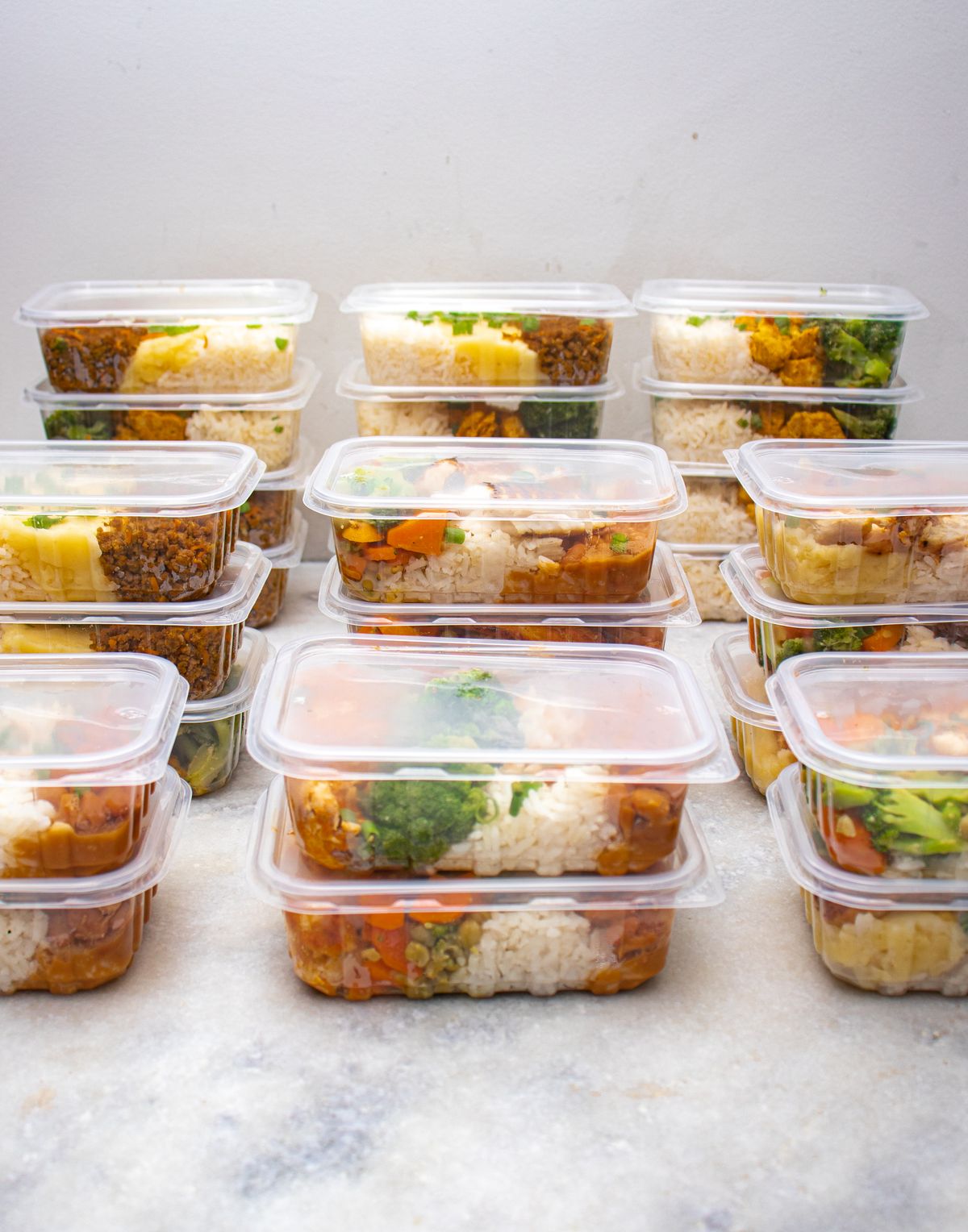
- Muscle-Building Meal Prep: Portions, Shopping and Storage
- Calories to Build Muscle: Estimate, Track and Adjust
- Creatine for Muscle Growth: Dose, Loading and Expectations
Further reading: Research on protein intake and resistance training. Meal examples are practical illustrations, not individually prescribed diets.
This article is general nutrition and fitness education and is not individual medical or dietary advice.
SHOP OUR TOP GYM PRODUCTS
Mike Mentzer T-Shirt – Heavy Duty Muscle-Fit Cotton Tee
Berserk Muscle-Fit Gym T-Shirt – Anime Workout Tee
I’m Afraid of Women Gym Retro T-Shirt – Funny Bodybuilding Tee
Ronnie Coleman T-Shirt – Funny Bodybuilding Gym Tee
Dorian Yates Bodybuilding Oversized Gym T-Shirt
Joe Weider 1965 Mr Olympia T-Shirt – Oversized Pump Cover
£30.99Original price was: £30.99.£21.99Current price is: £21.99.Mr Olympia Amateur Korea T-Shirt – Oversized Cotton Tee
Men’s Oversized Gym Pump Cover – Your Standard LYFT Tee