



Chest Workout for Muscle Growth: Sets, Reps and Options
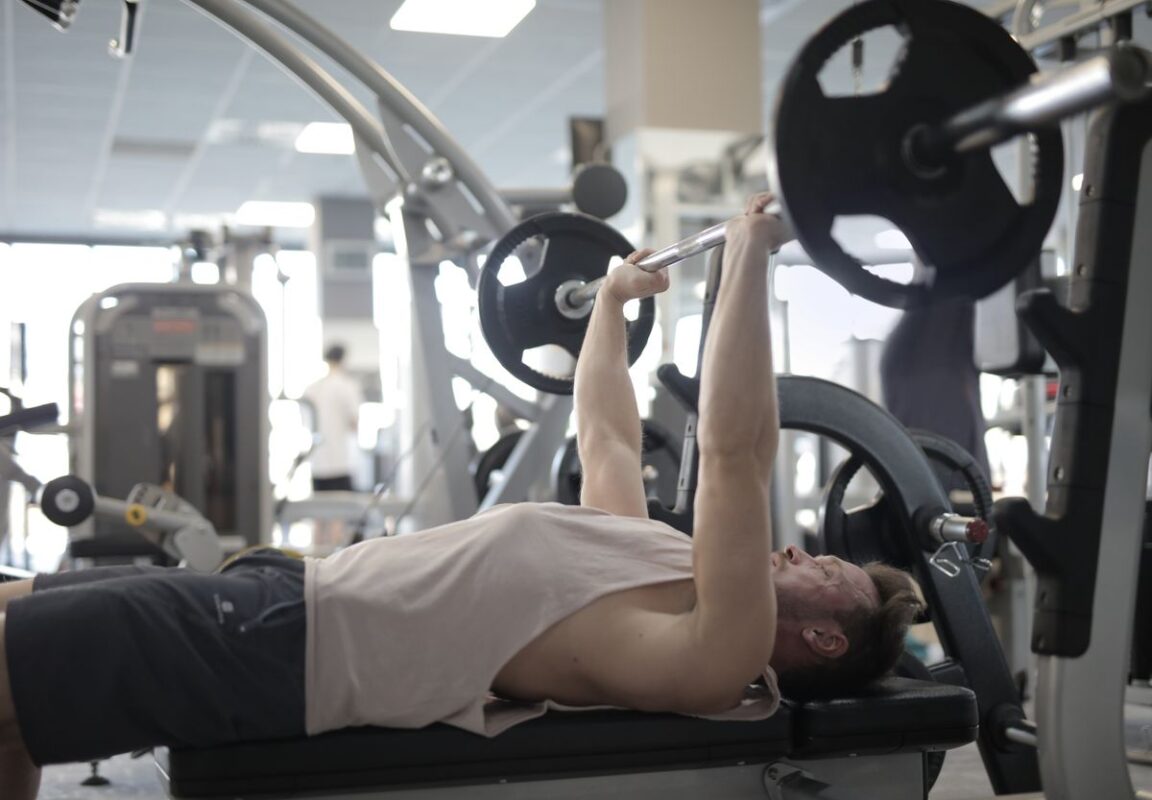
A chest workout can combine a horizontal press, an incline press and an optional fly. Start with a workload you recover from and count all pressing elsewhere in your week.
Building a bigger chest is a common goal for anyone following a bodybuilding or muscle-building workout plan. The good news is that you do not need an endless list of chest exercises. A few well-chosen presses, sensible volume and consistent progression can provide a strong foundation for chest hypertrophy.
This guide explains how to structure a chest workout for mass, which exercises to prioritise, how many sets and repetitions to perform, how to train the upper chest and how nutrition and recovery influence results.
Choose a manageable version of chest day
| Version | Exercise selection | Example set total |
|---|---|---|
| Short session | One press for 3 sets; one fly for 2 | 5 direct chest sets |
| Full session | Horizontal press 3; incline press 3; fly 2 | 8 direct chest sets |
| Two weekly exposures | Split your chosen weekly volume across two days | Do not automatically repeat the largest version twice |
The options illustrate how to scale the session, not three workouts to complete together. If you already bench press twice a week, use that work in the total before adding a separate chest day.
Pick a press you can progress
A barbell makes small load increases straightforward when plates are available. Dumbbells allow each arm to move independently but can have larger weight jumps and a demanding setup. A machine can simplify stability. Choose based on comfort, equipment and the ability to perform controlled repetitions, rather than declaring one type universally best.
Use safeties or appropriate spotting for barbell work. If you feel persistent shoulder discomfort, stop provoking it and review the movement with qualified help. More fly variations are not a reliable solution to pain.
Keep the chosen exercise order stable for a training block. A press performed after hard shoulder work will not produce the same numbers as one performed fresh, so interpret the log in context.
Chest Anatomy and Muscle Growth
The chest is primarily made up of the pectoralis major, with the pectoralis minor sitting underneath it. The pectoralis major can be trained through pressing and fly movements, with different angles changing the emphasis. You do not need to isolate every fibre, but including both flat and incline pressing can provide useful variety.
Muscle growth comes from repeated exposure to challenging resistance training followed by recovery. A chest workout should therefore be hard enough to stimulate adaptation but not so excessive that your shoulders, elbows or recovery become limiting factors.
Choosing Chest Exercises
Bench Press
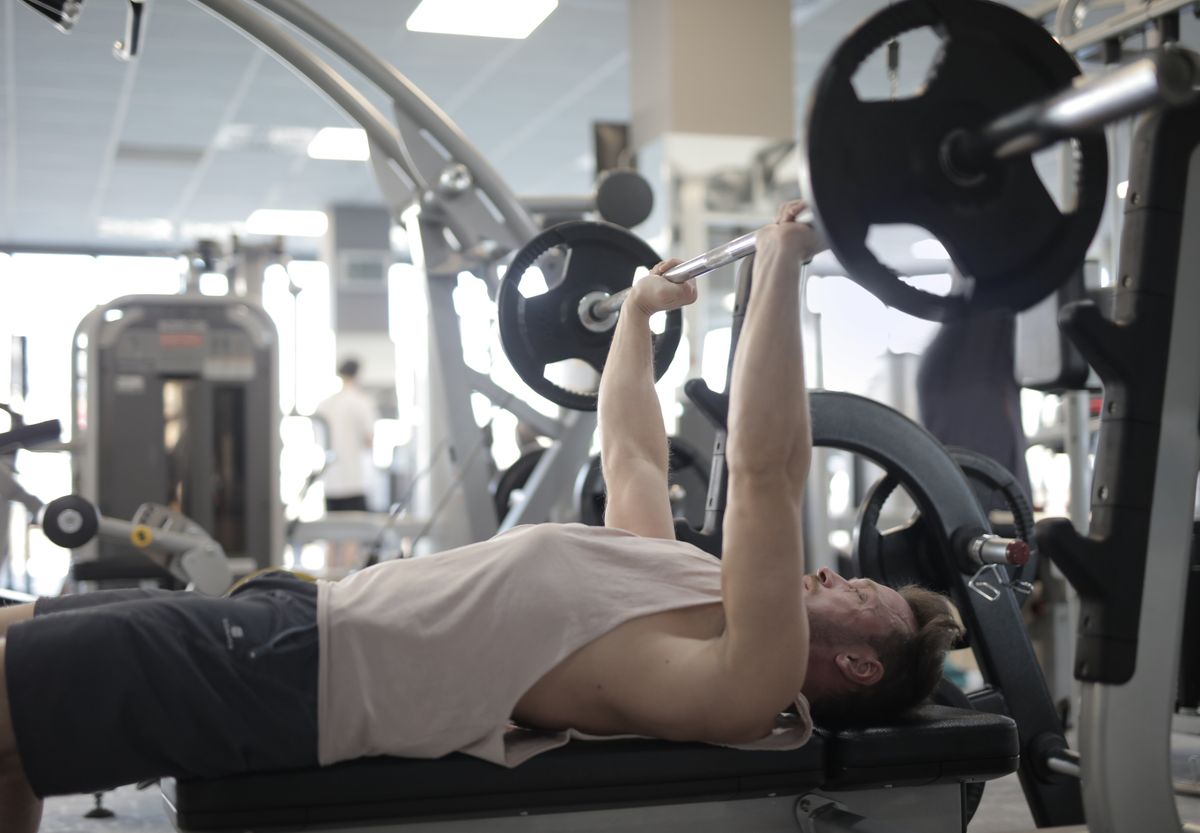
The barbell bench press is a classic compound exercise because it allows substantial loading while training the chest, triceps and front shoulders. Dumbbells can provide a different feel and allow each arm to move independently. Choose the version that you can perform consistently and comfortably.
Incline Press
Incline dumbbell or barbell pressing can be useful when upper-chest development is a priority. A moderate incline is usually more practical than an extremely steep angle, which can turn the movement into more of a shoulder press.
Fly Variations
Cable and machine flyes can complement pressing. Because the movement is more isolated, they are useful for adding chest volume without requiring the same overall load as a heavy press. Use a controlled range of motion rather than forcing an exaggerated stretch.
Best Chest Workout Routine
A simple chest workout for muscle growth could look like this:
- Barbell or dumbbell bench press: 3 sets of 6 to 10 reps.
- Incline dumbbell press: 3 sets of 8 to 12 reps.
- Machine chest press: 2 to 3 sets of 8 to 12 reps.
- Cable or pec-deck fly: 2 to 3 sets of 10 to 15 reps.
This provides around 10 to 12 working sets. You can increase or reduce the volume depending on your experience, recovery and how much pressing you perform elsewhere in your gym workout plan.
How Many Sets?
There is no universal perfect number of chest sets. A beginner can make progress with relatively low volume, while an experienced lifter may need more. Start with a manageable workload and increase it only when you have evidence that you need more training.
Remember that pressing exercises also train the triceps and front delts. If you perform lots of shoulder and arm work, your total recovery demand is higher than the chest set count alone suggests.
How Many Reps?
Chest muscle can grow across a broad repetition range. Six to 12 repetitions is practical for most compound presses, while 10 to 20 can work well for machines and fly movements. The important factor is that the set is challenging while technique remains controlled.
Chest Press Technique
Set your feet securely, create a stable upper-back position and keep the bar path or dumbbell path repeatable. Lower the weight under control and avoid bouncing it from the chest. Your elbows do not need to be forced into one exact position; use a comfortable angle that allows the shoulders to remain stable.
Do not chase a heavier bench press by shortening the movement or relying on excessive momentum. A slightly lighter load with consistent technique is much easier to track and progress.
How to Build the Upper Chest
If your upper chest looks behind the rest of your physique, place incline pressing earlier in the session. You can also use a lower volume flat press and add a machine or cable movement that allows you to train the upper chest comfortably.
Do not assume that a steeper incline automatically means better upper-chest activation. If the movement becomes dominated by the shoulders, lower the bench angle and focus on a strong pressing path.
How to Progress Your Chest Workout
Use a training log. If you perform three sets of bench press at 80 kg for 8, 8 and 7 repetitions, aim to improve those numbers over time. Once you can reach the top of your chosen range with good form, increase the load slightly and build the repetitions again.
Progression can also come from better control, a more consistent range of motion or an extra repetition. You do not need to add weight every week to make progress.
How Often Should You Train Chest?
Training chest twice per week can be effective because it spreads volume across sessions. For example, you might have a heavier chest-focused push workout early in the week and a lighter session later. Beginners can also grow with one well-designed chest session per week.
Nutrition for Chest Growth
Training provides the stimulus, but food and recovery support the adaptation. Eat enough protein and calories to match your goal. Around 1.6 to 2.2 grams of protein per kilogram of body weight per day is a practical target for many lifters. If you want to gain size, a modest calorie surplus can help.
Common Chest Training Mistakes
- Doing too many exercises instead of progressing a few good ones.
- Using a range of motion that changes every set.
- Letting shoulders dominate every press.
- Training chest hard while ignoring recovery.
- Changing the programme before tracking results.
- Using weight that is too heavy for controlled repetitions.
Warm-Up and Setup
A good chest session begins with a stable setup rather than immediately loading the bar. Spend a few minutes getting warm and perform lighter sets of your first pressing exercise. Gradually increase the load until you reach your working weight. The number of warm-up sets depends on how heavy the working sets are and how experienced you are.
Set your feet securely, establish a stable upper-back position and make sure the bench height and rack position are comfortable. Small setup details make it easier to repeat the same movement from one workout to the next.
Managing Chest and Shoulder Fatigue
Your chest does not train in isolation. Bench presses and incline presses also involve the triceps and front delts, while shoulder pressing can contribute additional fatigue. If your chest performance is declining, consider the total amount of pressing you perform across the week rather than simply adding more chest sets.
For example, if you have a heavy chest session, multiple shoulder presses and lots of triceps work packed into a few days, reducing one accessory movement may improve recovery more than adding another chest exercise. Training quality is more important than collecting exercises.
Barbell Versus Dumbbell Pressing
Both barbell and dumbbell pressing can build the chest. Barbells make it easy to measure load and often allow heavier weights, while dumbbells let each arm move independently and can provide a comfortable range of motion for some lifters.
Choose the version that fits your body and equipment. You can also rotate between them over different training blocks if you enjoy both. There is no requirement to use a barbell simply because it is a classic bodybuilding exercise.
Why Machines Can Be Useful
Machine chest presses and flyes can provide stability that allows you to focus on producing force with the chest without worrying as much about balance. They are particularly useful later in a workout when fatigue makes heavy free-weight work less appealing.
Use a machine that allows a comfortable setup and controlled range of motion. If a particular machine feels awkward for your body, another press or cable movement may be a better choice.
Use Double Progression
A simple way to progress your chest workout is to use a repetition range. If your target is 8 to 12 repetitions, keep the same weight until you can perform the prescribed sets near the top of the range with good technique. Then increase the load slightly and build the repetitions again.
This approach avoids the pressure to add weight every week. Some weeks you may add a repetition, while other weeks you may simply repeat the same performance. The important thing is that your longer-term training log trends upward.
Recover Between Chest Sessions
If you train chest twice per week, distribute your volume rather than trying to perform the entire weekly workload in one session. Leave enough time between hard sessions for the chest, shoulders and triceps to recover. Sleep, protein intake and total calories all contribute to that recovery.
A productive chest programme is therefore a combination of exercise selection, appropriate volume, progressive overload and recovery. Keep the routine simple enough to measure and repeat, and allow several months for the small improvements to accumulate.
Putting It All Together
A productive chest workout does not need to be complicated. Start with a stable press, include an incline movement, add an isolation exercise and track your performance. Over months, small improvements in repetitions, load and technique can add up to substantial changes in chest size and strength.
For a wider bodybuilding structure, see The Gym Pro’s Olympian Sculpt bodybuilding blueprint and the free 7 Gym Commandments.
Related guides
- Improve Your Bench Press: Setup and a Two-Day Plan
- Shoulder Workout: Presses, Lateral Raises and Rear Delts
- Sets Per Muscle Per Week: Count and Adjust Your Volume
Further reading: ACSM resistance-training recommendations (2026). The worked programmes here are adjustable examples, not programmes tested in that publication.
This article provides general fitness education and is not individual medical or coaching advice.
If you want to pair your chest session with arm work, see our chest and arms workout and adjust the total sets so your presses and triceps work remain recoverable.
SHOP OUR TOP GYM PRODUCTS
Creatine Meme T-Shirt – Funny Gym Shirt for Men
Men’s Oversized Gym Pump Cover – Your Standard LYFT Tee
Kevin Levrone Uncrowned T-Shirt – Cotton Gym Pump Cover
Nasser El Sonbaty Shirt – Uncrowned Mr Olympia T-Shirt
Tren and Jerry’s T-Shirt – Funny Gym Pump Cover
Powerhouse Gym Oversized T-Shirt – LYFT Pump Cover
Mike Mentzer Clothing – Uncrowned King Cotton T-Shirt
Mr Olympia Hoodie – 2020 Zip-Up Bodybuilding Jacket