

Water for Weightlifting: Hydration and Sweat-Loss Guide
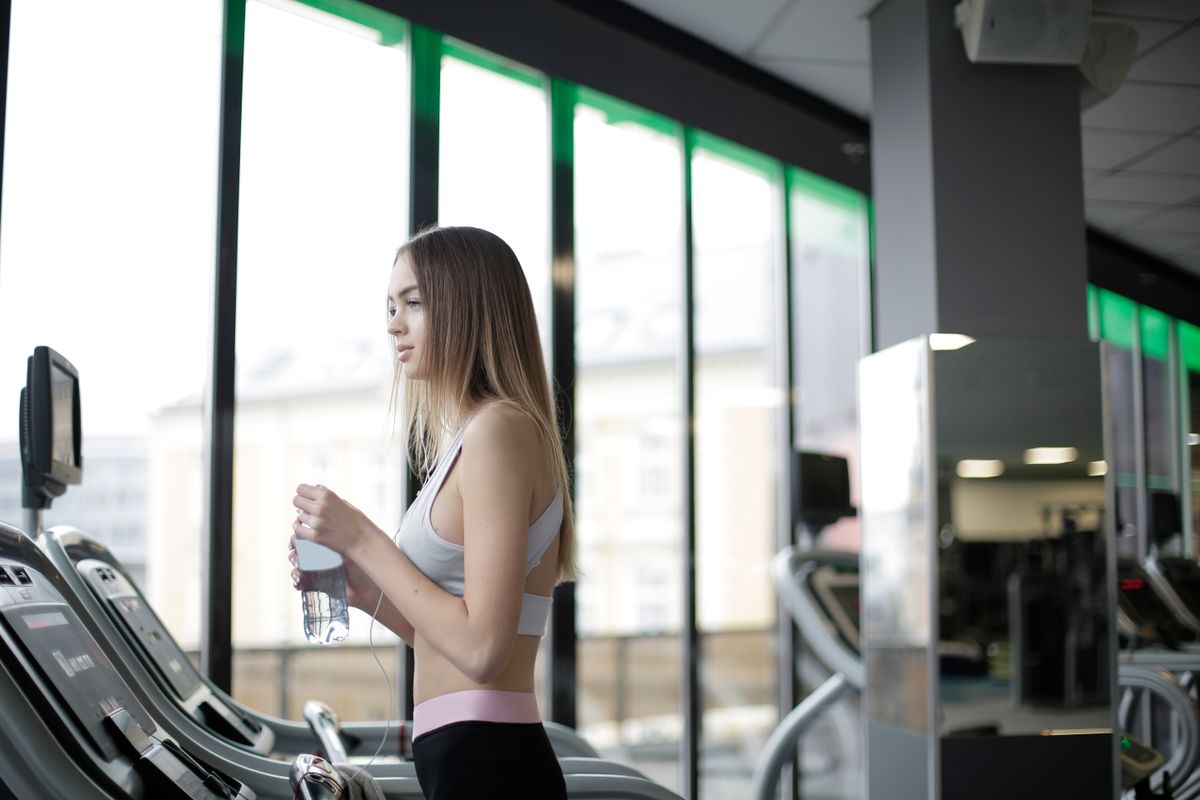
There is no single number of litres every lifter should drink. Start the session normally hydrated, have water available and adjust to thirst, heat, duration and your own sweat losses. More water is not always better.
Hydration is easy to overlook when the focus is muscle, strength and calories. You do not need to force huge amounts of water, but arriving at training adequately hydrated and replacing substantial fluid losses can support normal performance and wellbeing.
Estimate sweat loss during a familiar session
| Measurement | Example | Calculation |
|---|---|---|
| Body mass before | 80.0 kg | Use similar dry clothing and the same scale |
| Body mass after | 79.6 kg | 0.4 kg net decrease |
| Fluid drunk | 0.5 litres | Add this to the mass decrease |
| Urine passed during session | 0 litres | Subtract any measured urine volume |
| Estimated loss over one hour | About 0.9 litres | 0.4 + 0.5 − 0 = 0.9 litres/hour |
This is an approximate field calculation, not a prescription to drink 0.9 litres every hour. It assumes one kilogram of mass change is approximately one litre of fluid and is affected by measurement error, wet clothing and other losses. Repeat on comparable sessions if you need a useful personal estimate. A cool upper-body workout and a hot, demanding leg session may differ considerably.
Put the estimate into practice
Bring a bottle, sip as needed and note how much remains. Avoid finishing a session heavier because you forced large volumes of fluid. The NATA fluid-replacement position statement emphasises individual sweat losses and avoiding both dehydration and excessive drinking.
After a normal gym session, drinks and your next meal often provide a practical way to replace fluid and dietary sodium. Long, hot or very sweaty activity may need a more deliberate plan. An electrolyte product is not automatically necessary for every hour in an air-conditioned gym, and adding electrolytes does not make unlimited drinking safe.
Use more than one clue
Thirst, access to drinks, the conditions and changes in body mass can inform your plan. Urine colour is only a rough clue and is influenced by supplements, food and time of day. Crystal-clear urine all day is not a target.
If a clinician has advised fluid or sodium restriction, follow that individual plan. Headache, confusion, vomiting, collapse or severe symptoms during exercise should not be self-treated by rapidly drinking more water; stop and seek urgent help. For everyday training, the aim is a comfortable, repeatable routine that matches what you actually lose.
Why Hydration Matters
Fluid supports many normal body processes and can affect exercise performance when losses become significant. Hard training in hot conditions increases the need to pay attention to fluids.
How Much Water?
Needs vary with body size, temperature, activity and diet. There is no single number that every lifter must drink. A practical approach is to drink regularly throughout the day and respond to thirst and training conditions.
Before Training
Arrive at the gym hydrated rather than trying to drink a huge amount immediately before lifting. Regular drinks during the day are more comfortable.
During Training
For a normal gym session, drinking to thirst is often sufficient. Longer sessions or hot environments can increase fluid requirements.
After Training
Replace fluids lost through sweating. You do not need to calculate every millilitre unless you are training for a specific endurance or performance goal.
Sweat and Electrolytes
Heavy sweating can involve electrolyte losses. In hot conditions or long sessions, replacing sodium and other electrolytes may become more relevant. For ordinary short weightlifting sessions, a normal balanced diet is often enough.
Common Mistakes
- Forcing excessive water.
- Waiting until you are very thirsty.
- Ignoring hot conditions.
- Assuming sports drinks are always necessary.
- Using hydration as a substitute for sleep and food.
Using Urine Colour as a Rough Check
Urine colour can provide a rough indication of hydration, although food, supplements and other factors can influence it. Very dark urine can be a sign that you need more fluid, while completely clear urine all day may mean you are drinking more than necessary.
Training in Heat
Hot gyms and outdoor training increase sweat losses. Drink more regularly and consider how much you are sweating. If sessions are long and sweaty, electrolyte replacement may be useful.
Coffee and Hydration
Caffeinated drinks contribute to fluid intake. You do not need to avoid coffee because of an exaggerated fear that it automatically dehydrates you. The bigger issue is total caffeine and its effect on sleep.
Body Weight and Hydration
Rapid changes in scale weight can reflect water. This is one reason not to interpret a single weigh-in as fat gain or loss. Use weekly averages and consistent measurement conditions.
Practical Guide
Drink regularly, arrive hydrated, drink during training according to thirst and replace substantial sweat losses. Keep the strategy simple unless your training demands more detailed planning.
Hydration supports the training programme, but the foundation remains resistance training, nutrition and recovery. See Olympian Sculpt for a structured bodybuilding approach.

Related guides
- What to Eat Before a Workout: Meals by Time Available
- Caffeine Before the Gym: Dose, Timing and Sleep
- Rest Days and Recovery: Sleep, Soreness and Readiness
This article provides general fitness information and is not individual medical advice.
SHOP OUR TOP GYM PRODUCTS
Tren and Jerry’s T-Shirt – Funny Gym Pump Cover
Heavy Washed Gothic Hoodie – Oversized Y2K Streetwear
Powerhouse Gym Oversized T-Shirt – LYFT Pump Cover
Demon Oni Weightlifting Belt – Unisex Powerlifting Support
Men’s Oversized Gym Pump Cover – Your Standard LYFT Tee
Mr Olympia Muscle-Fit Sweatshirt – Vintage Bodybuilding Top
£33.99Original price was: £33.99.£26.99Current price is: £26.99.Dorian Yates Bodybuilding Oversized Gym T-Shirt
I’m Afraid of Women Gym Retro T-Shirt – Funny Bodybuilding Tee