




Build a Sustainable Workout Routine Around Work

Build your routine around the time you can reliably protect, then add a shorter fallback for busy weeks. A sustainable plan can change with work and family demands without losing its basic structure.
The best workout routine is not necessarily the most intense one. It is the one you can keep doing when work is busy, motivation is low, weekends are full and life does not go according to plan. A sustainable fitness routine gives you enough training to make progress without demanding that the gym becomes your entire life.
This guide explains how to build a realistic gym schedule, choose the right training frequency, manage missed sessions, combine strength training with cardio and make fitness support your wider wellbeing.
Plan around the constraint you actually have
| Constraint | Example solution | Review question |
|---|---|---|
| Only two reliable evenings | Two full-body sessions | Are both appointments usually possible? |
| Lunch breaks are short | Prepare a compact session using familiar movements | Does travel and changing time fit too? |
| Shift pattern changes | Choose sessions when each rota arrives | Are recovery days still possible? |
| Frequent travel | Use a small set of suitable hotel or bodyweight options | Can you resume normal training without making up a debt? |
Bookend the workout with the time it really takes to get there and return. A 45-minute plan can require much more than 45 minutes away from work or home. If the logistics do not fit, changing the gym location or training time may matter more than changing the exercises.
Make the review concrete
Every few weeks, compare planned sessions with completed sessions and identify recurring barriers. If you repeatedly cancel Friday because of work, move the session. If a programme requires equipment your gym rarely has available, select stable alternatives.
Keep a normal week and a busy-week version. The busy version can use fewer accessories and slightly less volume while retaining familiar main movements. Rest is appropriate during illness or when individual medical advice requires it; a habit is not an obligation to exercise through symptoms.
Increase the commitment only after the current version is working. Adding a fourth day should solve a training need and fit your life, not merely make the calendar look more ambitious.
Start With Your Goal
Your programme should reflect what you actually want. Building muscle requires progressive resistance training and adequate nutrition. Fat loss requires a calorie deficit while maintaining useful training. General wellbeing may be better served by a mixture of strength work, cardio, walking and activities you enjoy.
How Much Time Do You Need?
You can make progress with three 45-minute gym sessions per week. More time can be useful, but it is not automatically better. If you only have 30 minutes, focus on the exercises that matter most rather than spending half the session changing equipment.
Choosing Training Frequency
Three days per week is enough for many beginners. Four days can work well for an upper-lower split. Five or six days may suit experienced lifters who enjoy higher training frequency and can recover from it. Your schedule should also account for sleep, work and family commitments.
Your Minimum Effective Routine
Choose a small number of movements that cover the major patterns: squat or leg press, hinge, horizontal push, vertical push, horizontal pull and vertical pull. Add isolation exercises for muscles you want to prioritise. Progress these movements instead of constantly replacing them.
Building Strength Training
Full Body
Full-body training three times per week is simple and effective. Each session can include one lower-body movement, one press, one pull and a few accessories.
Upper Lower
An upper-lower split works well for four sessions. It gives each major muscle group two training exposures while leaving three days for rest or lighter activity.
Push Pull Legs
PPL is flexible for three to six days. Rotate through push, pull and legs rather than worrying about whether every week fits perfectly into a calendar.
Adding Cardio
Cardio supports cardiovascular fitness and can help with energy expenditure. Walking, cycling, running and rowing can all work. Keep the intensity appropriate for your recovery, particularly if muscle gain and strength are priorities.

Example Weekly Schedules
Three-day example: Monday full body, Wednesday full body, Friday full body. Four-day example: Monday upper, Tuesday lower, Thursday upper, Friday lower. Six-day PPL example: push, pull, legs, rest, push, pull, legs. Choose the schedule that matches your availability.
What to Do When You Miss a Workout
Do not try to punish yourself by doubling the next session. Simply continue with the next planned workout or move the schedule forward. Missing one session has almost no effect on long-term progress. Repeatedly abandoning the plan because you missed one session is the bigger problem.
Training During Travel and Busy Weeks
Reduce the programme rather than stopping completely. Two short full-body sessions can maintain a routine during a busy week. Bodyweight squats, push-ups, rows with available equipment and walking can all help when a full gym is unavailable.
Motivation and Habits
Do not rely on motivation. Set a regular training time, prepare gym clothes in advance and make the first step easy. The goal is to turn training into a normal part of your week rather than a decision you must make from scratch every day.
Wellbeing and Recovery
Fitness is one part of wellbeing. Sleep, relationships, work, stress management and time away from the gym matter too. If training begins to interfere with sleep or normal life, the programme may need adjustment.
Common Routine Mistakes
- Choosing a schedule you cannot realistically maintain.
- Training hard every day.
- Changing programmes constantly.
- Ignoring cardio and general activity.
- Feeling guilty about missed sessions.
- Making fitness the only measure of wellbeing.
Planning for Different Weeks
A sustainable workout routine should have a normal version and a reduced version. Your normal week might contain three or four gym sessions, while a busy week might contain two shorter full-body workouts. Having both versions written down prevents an unexpected deadline, trip or social commitment from turning into a complete break from training.
For example, if you normally train four days, a reduced week could use two sessions built around a squat or leg press, a press, a row or pulldown, a hip hinge and one or two accessories. Keep the important movements and remove the exercises that are less essential. The goal is not to reproduce your full programme in half the time; it is to maintain the habit and give your body a useful training stimulus.
Making Short Workouts Effective
When time is limited, reduce wasted time rather than rushing every set. Prepare the exercises before you start, use sensible rest periods and avoid moving repeatedly between distant areas of the gym. Pairing compatible isolation exercises can also save time, provided it does not reduce the quality of your main lifts.
A 30-minute workout can be productive if you focus on the basics. Three hard, controlled compound movements followed by one or two short accessories can cover a lot of ground. You do not need to spend an hour in the gym simply because longer workouts are common online.
Adjusting Training When Life Changes
Your ideal schedule may change as your job, family commitments, travel or other responsibilities change. Treat the programme as a framework rather than a contract. If mornings become impossible, move sessions to evenings. If four days become difficult, reduce to three. If six days is interfering with recovery, train less frequently.
There is no prize for following a schedule that makes you miserable. A slightly lower training frequency that you maintain for a year will usually be more useful than an ambitious routine that lasts three weeks.
How Much Cardio Is Enough?
Cardio should support your overall fitness rather than compete with your resistance training. Walking is an easy way to increase daily activity without creating much additional recovery demand. Cycling, rowing, swimming and running can also be useful depending on your preferences and fitness level.
If muscle growth is your priority, avoid turning every rest day into a hard conditioning session. Keep harder cardio away from demanding leg sessions when possible, and reduce cardio volume if it consistently makes your strength training worse. Conversely, if cardiovascular fitness is a major goal, make room for it deliberately rather than adding random sessions on top of an already demanding bodybuilding programme.
Building Habits That Survive Low Motivation
Motivation naturally fluctuates. A useful habit is to remove as many decisions as possible. Choose your training days in advance, keep your gym bag ready and use a repeatable programme. You can also create a minimum rule such as going to the gym and completing the first two exercises even when motivation is low. Once you begin, you may choose to complete the full session.
Do not use a missed workout as evidence that you have failed. The important behaviour is returning to the routine. Long-term fitness is built from hundreds of ordinary sessions, not from a handful of perfect weeks.
Review Your Routine Regularly
Every few weeks, ask whether your programme is producing the results you want and whether you can realistically maintain it. Look at gym performance, energy levels, enjoyment, schedule and recovery. If progress is good and life feels manageable, there may be no reason to change anything.
If you are constantly exhausted, missing sessions or losing interest, reduce the workload or frequency. If you are recovering easily but have stalled for a prolonged period, consider a modest increase in training volume. Sustainable training is not about doing as much as possible; it is about finding the highest workload you can repeat successfully.
A Sustainable Routine Is a Flexible Routine
Think of your programme as a set of priorities rather than a rigid calendar. Keep resistance training, useful daily activity and recovery at the centre, then adjust the exact sessions around real life. That flexibility is what makes a fitness routine sustainable for the long term.
Build a Routine You Can Keep
Choose a realistic frequency, focus on progressive strength training, include useful cardio and protect your recovery. Consistency over months and years is far more valuable than a perfect two-week burst of motivation.
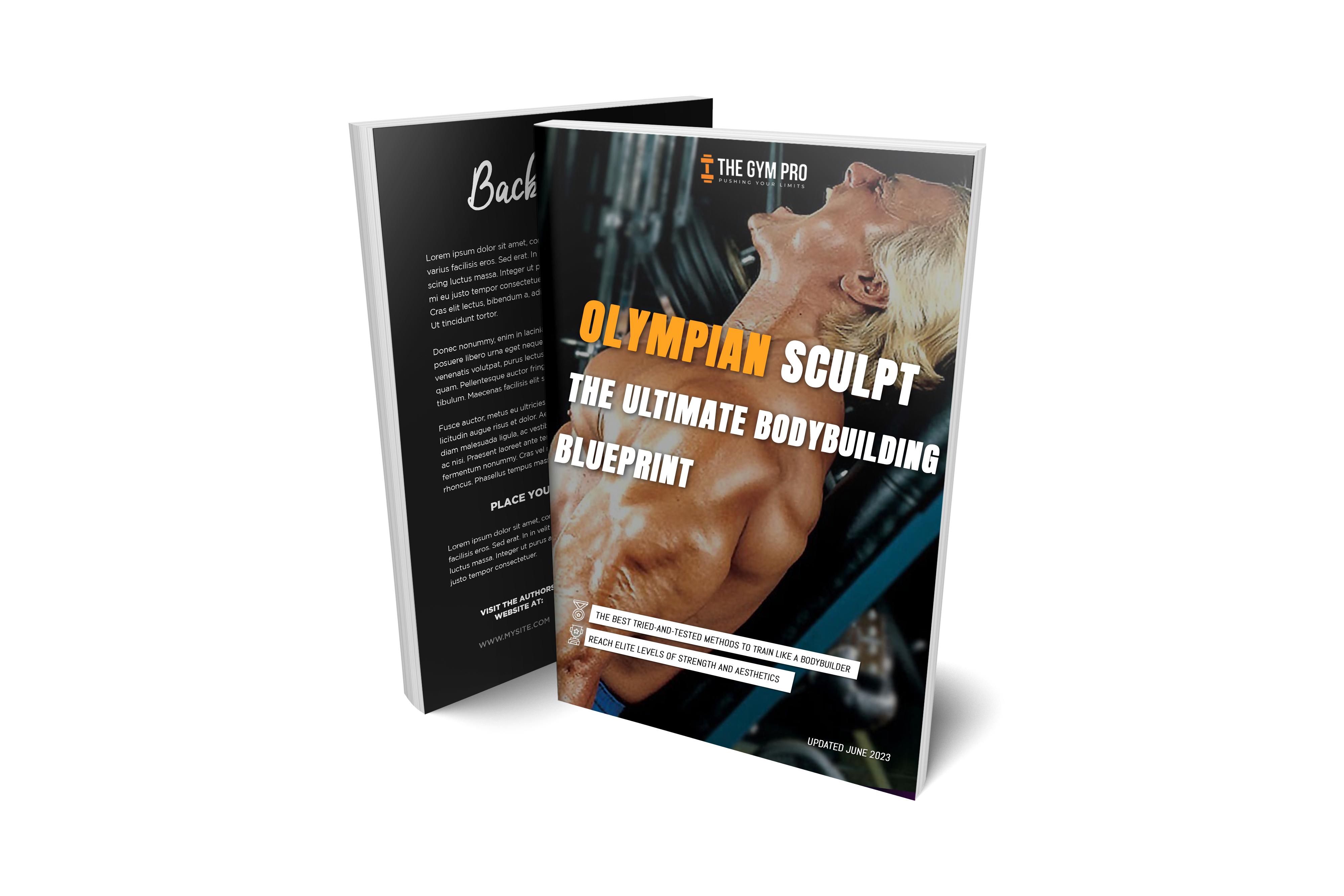
The Gym Pro’s Olympian Sculpt provides a structured option if you want a more defined bodybuilding routine.

Related guides
- How to Stay Consistent at the Gym: A Busy-Week Plan
- Full Body Workout 3 Days a Week: Plan and Progression
- Upper Lower Split: A 4-Day Workout With Progression
- Rest Days and Recovery: Sleep, Soreness and Readiness
Further reading: ACSM resistance-training recommendations (2026). The worked programmes here are adjustable examples, not programmes tested in that publication.
This article is general fitness and wellbeing information and is not individual medical advice.
SHOP OUR TOP GYM PRODUCTS
Powerhouse Gym Oversized T-Shirt – LYFT Pump Cover
Milk Makes My Tummy Hurt T-Shirt – Funny Gym Pump Cover
Berserk Muscle-Fit Gym T-Shirt – Anime Workout Tee
Mike Mentzer Clothing – Uncrowned King Cotton T-Shirt
Samurai Weightlifting Belt – Japanese Calligraphy Gym Belt
Barbell Brigade Pump Cover – Bronze & Red Gym T-Shirt
Tren and Jerry’s T-Shirt – Funny Gym Pump Cover
Powerhouse Gym Cap – Classic Denim Unisex Bodybuilding Hat
£26.99Original price was: £26.99.£15.99Current price is: £15.99.